



How to Secure Home Insurance for Wildfire-Prone Properties?
For over 15 years in the insurance industry, particularly within the dynamic landscape of property coverage, I've witnessed firsthand the growing anxiety and frustration among homeowners in wildfire-prone regions. The heartbreaking stories of non-renewal notices, skyrocketing premiums, and the feeling of being abandoned by traditional insurers are becoming increasingly common.
The problem is stark: as climate patterns shift and human development pushes further into wildland-urban interface (WUI) areas, the risk of catastrophic wildfires intensifies. Insurers, driven by actuarial data and the imperative to manage risk, are responding by tightening their underwriting criteria, raising rates, or, in some extreme cases, pulling out of certain markets altogether. This leaves countless homeowners in a precarious position, grappling with the very real threat of being uninsured against one of nature's most destructive forces.
But here's the crucial insight I want to share: securing home insurance for wildfire-prone properties, while challenging, is not an insurmountable task. This comprehensive guide will equip you with a robust framework, actionable strategies, and expert insights to navigate this complex terrain. You'll learn not just about the policies, but about proactive measures, alternative markets, and the critical documentation needed to protect your most valuable asset.
Understanding the Shifting Landscape of Wildfire Risk and Insurance
Before diving into solutions, it's essential to grasp why the insurance landscape for wildfire-prone properties has become so volatile. It's a confluence of environmental, demographic, and economic factors.
Climate change undeniably plays a significant role, leading to hotter, drier conditions and extended wildfire seasons. Simultaneously, population growth has driven construction into areas historically prone to wildfires, the so-called Wildland-Urban Interface (WUI). This increased exposure means higher potential losses for insurers, making them more cautious.
"Insurers rely on sophisticated actuarial models to assess risk. When these models project a significant increase in the frequency and severity of wildfire events, their underwriting decisions must adapt, often leading to higher premiums or reduced coverage availability in high-risk zones."
This isn't an arbitrary decision; it's a calculated response to escalating risk. Understanding this fundamental shift helps homeowners appreciate the need for proactive mitigation and a more strategic approach to securing coverage. According to a report by the National Association of Insurance Commissioners (NAIC), the average annual insured losses from wildfires have dramatically increased over the past decade, pushing insurers to re-evaluate their portfolios. Learn more about insurance trends from the NAIC.
Proactive Property Hardening: Your First Line of Defense (and Best Insurance Policy)
In my experience, the single most impactful action a homeowner can take to secure insurance and protect their property is to invest in home hardening and defensible space. Insurers are increasingly looking for evidence of these efforts.
Creating and Maintaining Defensible Space
Defensible space is the area around a home or other structure that has been modified to reduce fire hazard. It's not about clear-cutting; it's about strategic landscaping and fuel reduction. I always advise my clients to think in zones:
- Zone 0 (Ember-Resistant Zone, 0-5 feet from the home): This is the most critical area. Remove all combustible materials, including plants, mulch, firewood, and outdoor furniture. Use non-combustible landscaping materials like gravel, concrete, or pavers. Ensure eaves and vents are clear of debris.
- Zone 1 (Lean, Clean, and Green Zone, 5-30 feet from the home): Reduce flammable vegetation. Space out trees and shrubs, remove dead plants and leaves, and prune lower tree branches. Keep grass mowed to 4 inches or less.
- Zone 2 (Reduced Fuel Zone, 30-100 feet from the home): Continue to reduce fuel load. Thin out trees and shrubs, remove ladder fuels (vegetation that allows fire to climb from the ground to the tree canopy). Maintain open spaces between vegetation.
- Zone 3 (Extensive Fuel Reduction Zone, 100-200 feet or to property line): Focus on thinning dense stands of trees and removing highly flammable species. This zone acts as a buffer.
Consistent maintenance is key. Defensible space isn't a one-time project; it's an ongoing commitment.

Hardening Your Home's Structure
Even with excellent defensible space, embers can travel miles ahead of a fire front. Your home's structure needs to be hardened against these ember attacks, which are often the primary cause of home ignition.
- Roof: The roof is the most vulnerable component. Ensure you have a Class A fire-rated roof material (e.g., asphalt shingles, metal, tile). Keep your roof and gutters free of leaves and debris.
- Vents: Install 1/8-inch metal mesh screens over all attic, foundation, and gable vents to prevent embers from entering.
- Windows: Consider multi-pane windows with tempered glass, especially on sides facing potential fire threats.
- Siding: Opt for non-combustible siding materials like stucco, fiber cement, or treated wood. If you have wood siding, ensure it's well-maintained and free of cracks.
- Decks and Eaves: Remove any combustible materials from under and on decks. Enclose eaves and undersides of decks with fire-resistant materials.
- Fencing: Replace the first 5 feet of any fence attached to your home with non-combustible material.
These investments not only enhance your safety but also signal to insurers that you are a proactive, lower-risk homeowner, potentially unlocking better rates or even the ability to obtain coverage where others cannot.
Navigating the Insurance Market: Strategies for High-Risk Homeowners
Once your property is hardened, the next step is strategically navigating the insurance market. This requires patience and a nuanced approach.
Working with an Independent Agent
One of the biggest mistakes I've seen homeowners make is sticking with their current insurer after a non-renewal or significant rate hike. For properties in wildfire zones, an independent insurance agent is an invaluable asset. Unlike captive agents who work for a single company, independent agents represent multiple carriers.
"An experienced independent agent specializing in high-risk properties acts as your advocate. They have access to a broader network of insurers, including those who may have a higher appetite for wildfire risk due to specific underwriting guidelines or niche products."
They can shop around on your behalf, compare quotes, and understand the specific requirements of different carriers, saving you immense time and frustration.
Exploring State-Specific Programs and FAIR Plans
When traditional markets fall short, many states offer 'insurer of last resort' programs. These are often called FAIR Plans (Fair Access to Insurance Requirements).
FAIR Plans provide basic property insurance coverage for homeowners who cannot obtain it in the voluntary market. While they typically offer less comprehensive coverage and can be more expensive, they ensure you have some level of protection. It's crucial to understand that a FAIR Plan often only covers fire, extended coverage (windstorm, hail, explosion, riot, etc.), and vandalism, and may not include liability or theft. You might need to supplement it with a Difference in Conditions (DIC) policy.
Each state's FAIR Plan has specific eligibility requirements and coverage limits. For example, the California FAIR Plan is a vital resource for many homeowners in high-risk areas. Check your state's Department of Insurance website for details on local programs.
The Role of Wildfire Risk Scores and Mitigation Programs
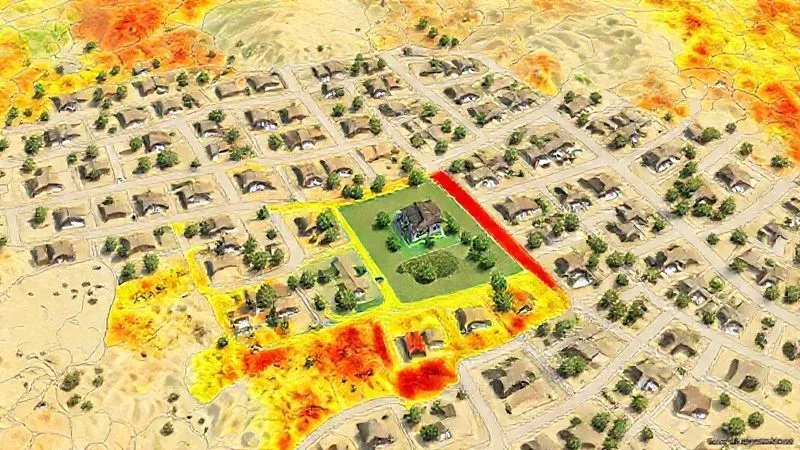
Insurers increasingly use sophisticated wildfire risk scoring models that analyze factors like slope, vegetation density, access to water, and proximity to fire stations. Your property's score directly impacts your insurability and premium.
Many communities participate in programs like Firewise USA®, which helps residents reduce wildfire risks and gain recognition for their efforts. Becoming a Firewise community or demonstrating individual participation in such programs can sometimes lead to discounts or make your property more attractive to insurers. These programs validate your mitigation efforts with a recognized standard, giving insurers more confidence.
- Firewise USA®: A national program that teaches communities how to adapt to living with wildfire and provides a framework for community-led mitigation.
- WUI Codes: Adhering to local Wildland-Urban Interface building codes is critical for new construction and significant renovations.
- Professional Risk Assessments: Some companies offer professional wildfire risk assessments that can provide a detailed report for insurers.
Leveraging Data and Documentation: Proving Your Mitigation Efforts
It's not enough to implement mitigation strategies; you must meticulously document them. This is where many homeowners fall short, and it can be the difference between securing coverage and being denied.
Think of your documentation as your evidence package for the insurer. They want to see proof that you've actively reduced your property's risk. Here's how to build a compelling case:
- Before & After Photos: Take clear, dated photographs of your property before and after implementing defensible space and home hardening measures. Show the progression.
- Receipts for Materials & Services: Keep all receipts for fire-resistant landscaping materials, Class A roofing, vent screens, professional tree trimming, or any other mitigation services.
- Certifications: If your property is certified Firewise or has undergone a professional wildfire risk assessment, include those certificates and reports.
- Maintenance Logs: Maintain a log of ongoing maintenance, such as gutter cleaning, brush clearing, and tree pruning, including dates.
- Site Plan: A simple site plan highlighting your defensible space zones and hardened features can be very effective.
Case Study: The Smith Family's Success Story
The Smith family, living in a heavily wooded area of Colorado, faced non-renewal on their home insurance due to escalating wildfire risk. Initially disheartened, they decided to take a proactive approach. They invested in clearing their Zone 0 and Zone 1 defensible space, replaced their old wood shake roof with a Class A metal roof, and installed ember-resistant vent screens. Crucially, they meticulously documented every step with dated photos, receipts, and even a log of their ongoing maintenance.
Armed with this comprehensive package, they approached an independent agent. The agent presented their detailed mitigation efforts to several surplus lines carriers. One carrier, impressed by the clear evidence of risk reduction and the Smith's commitment, offered them a policy, albeit at a higher premium than their old one, but significantly better than a bare-bones FAIR Plan. This resulted in securing robust coverage that they initially thought was impossible to obtain.
"Documentation isn't just a formality; it's a powerful narrative. It transforms your property from a perceived high-risk liability into a managed, mitigated asset in the eyes of an underwriter."
Beyond Standard Policies: Exploring Alternative Coverage Options
Even with significant mitigation, traditional insurers might still be hesitant. This is where understanding alternative markets becomes crucial.
DIC (Difference in Conditions) Policies
As mentioned, if you end up with a FAIR Plan, it often only covers basic perils. A Difference in Conditions (DIC) policy can fill the gaps. A DIC policy provides coverage for perils typically excluded by standard policies or FAIR Plans, such as water damage, theft, and liability. It essentially wraps around the basic fire-only coverage of a FAIR Plan to provide more comprehensive protection.
Surplus Lines Carriers
The surplus lines market consists of insurers that write policies for risks that standard, or 'admitted,' carriers decline. These are often unique, high-risk, or hard-to-place risks, like properties in extreme wildfire zones. While surplus lines carriers are regulated differently and typically come with higher premiums and less standardized forms, they are a legitimate and often necessary option for many homeowners.
You cannot directly access surplus lines carriers; you must go through a licensed surplus lines broker, who is typically an independent agent with special qualifications. Learn more about the surplus lines market from the NAIC.
Self-Insurance & Community Programs
While not a primary solution, some communities are exploring innovative approaches like self-insurance pools or mutual aid agreements. These are typically last resorts or supplementary to traditional coverage, but they highlight the growing need for creative solutions in the face of escalating risks.
Understanding Your Policy: Exclusions, Deductibles, and Riders
Once you secure a policy, whether through the traditional market or alternative channels, the work isn't over. You must meticulously read and understand your policy documents. This is especially true for properties in high-risk areas, as policies can have specific exclusions or limitations.
- Wildfire Exclusions: Some policies may have specific wildfire exclusions or limitations on payouts for wildfire damage. Be absolutely clear on what is covered and what isn't.
- Actual Cash Value (ACV) vs. Replacement Cost Value (RCV): Understand if your policy pays out the depreciated value of your belongings (ACV) or the cost to replace them new (RCV). Always aim for RCV for both dwelling and contents.
- Deductibles: Wildfire deductibles can be significantly higher than standard deductibles, sometimes expressed as a percentage of your dwelling coverage (e.g., 5% or 10%). Understand your out-of-pocket maximum.
- Extended Replacement Cost: Look for endorsements that offer extended replacement cost, which provides an additional percentage (e.g., 20-25%) beyond your dwelling coverage limit, crucial if reconstruction costs surge after a major wildfire event.
- Additional Living Expenses (ALE): Ensure your policy includes sufficient ALE coverage to pay for temporary housing and living costs if your home becomes uninhabitable.
Here's a comparison of typical policy features you might encounter:
| Feature | Standard Policy | FAIR Plan | Surplus Lines |
|---|---|---|---|
| Coverage Type | Comprehensive (Fire, Theft, Liability, etc.) | Basic (Fire, EC, Vandalism) | Custom (Varies widely, often comprehensive) |
| Cost | Moderate, depends on risk | Higher than standard | Highest, market-driven |
| Availability | Limited in high-risk zones | Guaranteed if eligible | Good for high-risk, specialized |
| Deductible | Fixed dollar amount | Often higher, may be % | Often higher, may be % |
| Agent Access | Captive or Independent | Independent Agent | Specialized Independent Broker |
Don't hesitate to ask your agent to walk you through every section of your policy, highlighting any wildfire-specific clauses. It's better to understand it now than after a disaster strikes.
The Future of Wildfire Insurance: What Homeowners Should Expect
The landscape of wildfire insurance is constantly evolving. As an industry specialist, I foresee several key trends that homeowners in wildfire-prone areas should be aware of.
Technology will play an increasingly significant role. Insurers are leveraging AI, satellite imagery, and drones to assess property risk with unprecedented accuracy. This means your mitigation efforts will be more easily verifiable, but also that properties deemed high-risk will be more readily identified.
"The long-term solution to the wildfire insurance crisis isn't just about securing policies; it's about fostering community-wide resilience and adopting building standards that prioritize fire resistance. This collective effort will ultimately stabilize the market."
Expect a continued emphasis on community-level mitigation. Programs that promote defensible space across entire neighborhoods, rather than just individual properties, will gain traction. Furthermore, legislative changes may be on the horizon in many states, aiming to balance consumer protection with insurer solvency. Homeowners should stay informed about local and state initiatives that could impact their insurability.
The industry is also exploring innovative risk transfer mechanisms and public-private partnerships to address the growing wildfire crisis. This proactive adaptation is essential for a sustainable future in these beautiful, yet vulnerable, regions. Stay informed about industry trends and forecasts from the Insurance Information Institute.
Frequently Asked Questions (FAQ)
Question: Can I really get insurance if my property is in a "red zone" or extremely high-risk area? Yes, it is often possible, but it requires significant proactive effort. You'll likely need to implement extensive home hardening and defensible space measures, meticulously document them, and then work with an experienced independent agent or surplus lines broker. FAIR Plans are also a guaranteed option in many states, though they offer more basic coverage.
Question: What's the biggest mistake homeowners make when seeking wildfire insurance? The biggest mistake is waiting until the last minute or assuming their current insurer will always cover them. Proactive mitigation and consistent communication with an agent are crucial. Many homeowners also fail to adequately document their risk reduction efforts, which is a missed opportunity to present a compelling case to underwriters.
Question: Are there grants or financial aid available for home hardening and defensible space? Yes, depending on your location. Many state and local governments, as well as non-profit organizations, offer grants, low-interest loans, or cost-sharing programs for wildfire mitigation. Check with your local fire department, county planning office, or state forestry department for available resources. Programs like Firewise USA® can also provide guidance on funding opportunities.
Question: How often should I reassess my wildfire risk and insurance policy? I recommend an annual review. Wildfire risks can change due to new vegetation growth, changing climate patterns, or nearby development. Your insurance policy should also be reviewed annually with your agent to ensure your coverage limits are adequate, especially for replacement costs, and to discuss any new mitigation efforts you've undertaken that might qualify for discounts.
Question: What should I do if my current insurer non-renews my policy due to wildfire risk? First, don't panic. Immediately contact an independent insurance agent who specializes in high-risk properties. They can help you explore options in the standard market, the surplus lines market, or your state's FAIR Plan. Use this opportunity to enhance your home hardening and defensible space, documenting everything, as this will strengthen your position with potential new insurers.
Key Takeaways and Final Thoughts
Navigating home insurance for wildfire-prone properties can feel like an uphill battle, but it's a fight you can win with the right strategy and commitment. Based on my years in this industry, I want to leave you with these critical takeaways:
- Proactive Mitigation is Paramount: Your greatest leverage is your investment in defensible space and home hardening. These aren't just about insurance; they're about protecting lives and property.
- Document Everything: Don't just do the work; prove it. Photos, receipts, and certifications are your evidence to underwriters.
- Engage an Expert Agent: An independent agent or surplus lines broker is your best ally in finding coverage in challenging markets.
- Explore All Avenues: Be open to FAIR Plans and the surplus lines market as viable, albeit potentially more expensive, solutions.
- Understand Your Policy: Read the fine print, especially regarding wildfire exclusions, deductibles, and replacement costs.
The threat of wildfires is real and growing, but so is our capacity to adapt and protect what matters most. By taking these actionable steps, you're not just securing an insurance policy; you're building resilience, taking control, and ensuring a safer future for your home and family. Stay informed, stay proactive, and never underestimate the power of preparation.
Recommended Reading
- Measuring Scholarship ROI: 5 Proven Steps for University Programs
- Stop the Noise: 7 Ways to Cut ML Fraud Detection False Positives
- Overcoming 5 Critical Challenges in Bank Digital Wallet Interoperability
- 7 Proven Strategies to Avoid Dividend Cuts Impacting Retirement Income
- 7 Proven Strategies: Mitigating Financial Advisor Liability in Ombudsman Disputes





Comments
Leave a comment below. Your email will not be published. Required fields marked with *