


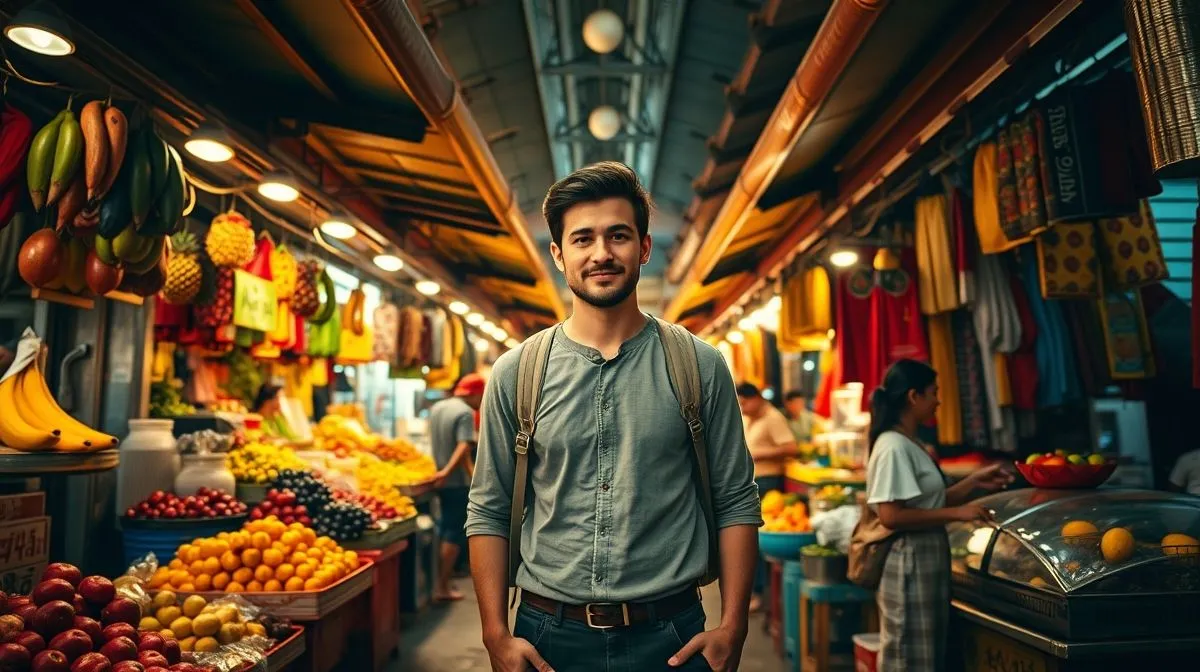
How to Save Money Backpacking Southeast Asia: The Ultimate Guide
Ever dreamt of exploring the ancient temples of Angkor Wat, relaxing on the pristine beaches of Thailand, or diving into the bustling street food scene of Vietnam? Southeast Asia is a backpacker's paradise, but many worry about the cost. Is it truly possible to experience this incredible region without emptying your bank account?
The good news is, Southeast Asia is incredibly budget-friendly, especially compared to Western countries. However, without a solid plan, costs can quickly add up, turning your dream trip into a financial nightmare. The key lies in smart planning, savvy travel choices, and a willingness to embrace the local culture.
In this guide, we'll reveal the secrets to saving money backpacking Southeast Asia. We’ll cover everything from pre-trip planning to on-the-road strategies, ensuring you can maximize your adventure without breaking the bank. Get ready to explore this amazing corner of the world without blowing your budget!
Planning Your Trip: Laying the Foundation for Savings
Timing is Everything: Traveling in the Shoulder Season
One of the easiest ways to save money is by traveling during the shoulder season – the months between the peak and off-peak seasons. This usually means April-May and September-October. You'll encounter fewer crowds, lower prices on accommodation and activities, and still enjoy pleasant weather. According to World Weather Online, these months offer a good balance of weather and affordability.
Research and Book in Advance (Sometimes)
While spontaneity is part of the backpacking experience, booking certain things in advance can save you money. Flights and popular accommodations often have lower prices when booked weeks or months ahead. Use websites like Skyscanner or Google Flights to find the best deals. However, for local transportation like buses and trains, booking closer to the date might offer better flexibility and sometimes cheaper prices.
Crafting a Realistic Budget
Before you even pack your bag, create a realistic budget. Estimate your daily expenses for accommodation, food, transportation, activities, and miscellaneous costs. Research average prices for these items in the countries you plan to visit. Websites like Numbeo can provide valuable cost of living data.
Accommodation: Finding Affordable Places to Rest Your Head
Hostels: The Backpacker's Best Friend
Hostels are the go-to accommodation option for budget travelers. They offer dorm rooms at incredibly affordable prices, often including free breakfast and social events. Look for hostels with good reviews and amenities like free Wi-Fi and lockers. Websites like Hostelworld and Booking.com are great resources for finding hostels.
Guesthouses and Homestays: Immerse Yourself in Local Culture
Guesthouses and homestays provide a more authentic experience and can often be cheaper than hotels. You'll have the opportunity to interact with local families, learn about their culture, and even enjoy home-cooked meals. Airbnb can be a good source for finding guesthouses and homestays, but always read reviews carefully.
Couchsurfing: Free Accommodation and Cultural Exchange
For the truly adventurous, Couchsurfing offers free accommodation in exchange for cultural exchange. You'll stay with locals who are willing to host travelers in their homes. This is a great way to meet new people, learn about different cultures, and save money on accommodation. However, it's important to be respectful and follow Couchsurfing etiquette.
Food: Eating Well Without Breaking the Bank
Street Food: A Culinary Adventure on a Budget
Southeast Asia is famous for its delicious and affordable street food. From Pad Thai in Thailand to Pho in Vietnam, you can find an incredible variety of dishes at incredibly low prices. Not only is street food cheap, but it's also a great way to experience the local culture.
Cooking Your Own Meals: A Cost-Effective Option
If you have access to a kitchen, cooking your own meals can save you a significant amount of money. Visit local markets to buy fresh produce and ingredients. This is also a great way to learn about local cuisine and experiment with new flavors.
Embrace Local Eateries: Avoid Tourist Traps
Tourist restaurants often charge inflated prices for mediocre food. Instead, seek out local eateries where the locals eat. These restaurants are usually cheaper and offer more authentic cuisine. Ask your hostel or guesthouse staff for recommendations.
Transportation: Getting Around Without Spending a Fortune
Local Buses and Trains: The Cheapest Way to Travel
Local buses and trains are the most affordable way to travel long distances in Southeast Asia. While they may not be the most comfortable or fastest option, they offer a unique cultural experience and allow you to see the countryside. Websites like 12Go Asia can help you book tickets in advance.
Motorbike Rentals: Freedom and Flexibility
Renting a motorbike can be a great way to explore smaller towns and rural areas. However, it's important to be cautious and have a valid driver's license. Always wear a helmet and be aware of local traffic laws. Negotiate the rental price and inspect the motorbike carefully before renting.
Walking and Cycling: Eco-Friendly and Budget-Friendly
Walking and cycling are great ways to explore cities and towns at your own pace. They're also eco-friendly and budget-friendly. Many cities offer bike rental programs, and walking tours are a great way to learn about the local history and culture.
Activities: Experiencing the Best of Southeast Asia on a Budget
Free Activities: Exploring Without Spending
Many cities offer free walking tours, temple visits, and park explorations. Research free activities in the areas you plan to visit. For example, many temples in Thailand are free to enter, and you can often find free cultural performances in public squares. Checking local tourism websites or asking at your accommodation can reveal hidden gems.
Negotiate Prices: Don't Be Afraid to Haggle
In many Southeast Asian countries, bargaining is a common practice. Don't be afraid to negotiate prices for souvenirs, transportation, and activities. Start by offering a lower price than what's being asked and be prepared to walk away if you can't reach an agreement. This is especially true in markets and with tuk-tuk drivers.
Prioritize Experiences: Choose Wisely
While it's tempting to do everything, prioritize the experiences that are most important to you. Consider which activities will provide the most value and create lasting memories. You might choose to splurge on a once-in-a-lifetime experience, like a scuba diving trip, while saving money on less essential activities.
Avoiding Common Budgeting Mistakes
Not Tracking Expenses
One of the biggest mistakes backpackers make is not tracking their expenses. Keep a record of everything you spend, whether it's on a spreadsheet, a notebook, or a mobile app. This will help you identify areas where you can cut back and stay within your budget.
Overspending on Alcohol
Alcohol can be a significant expense, especially if you're drinking every night. Consider limiting your alcohol consumption or opting for cheaper local drinks. Happy hour deals can also be a good way to save money.
Ignoring Travel Insurance
Travel insurance is essential for any trip, but especially for backpacking. It can protect you from unexpected medical expenses, lost luggage, and trip cancellations. Don't skimp on travel insurance; it's a small price to pay for peace of mind. World Nomads is a popular choice for backpackers.
Frequently Asked Questions (FAQ)
What is the average daily budget for backpacking Southeast Asia? The average daily budget ranges from $20 to $50 USD, depending on your travel style and the countries you visit.
Which countries are the cheapest to backpack in Southeast Asia? Vietnam, Cambodia, and Laos are generally considered the cheapest countries in Southeast Asia.
How can I find cheap flights to Southeast Asia? Use flight comparison websites like Skyscanner or Google Flights to find the best deals. Be flexible with your travel dates and consider flying into a major hub like Bangkok or Kuala Lumpur.
Is it safe to eat street food in Southeast Asia? Yes, street food is generally safe to eat, but choose stalls that are busy and have a high turnover of food. Avoid stalls that look dirty or have food that's been sitting out for a long time.
Recommended Reading
- Ultimate Guide: Best Real Estate Agent Financial Strategies
- Master Your Money: How to Split Income for Needs and Wants
- Dividend Stocks for Monthly Income: A Beginner's Guide to Success
- Build Your 3-6 Month Emergency Fund: The Ultimate Guide
- How to Mitigate Investment Portfolio Risk: The Ultimate Guide
Conclusion
Saving money backpacking Southeast Asia is entirely achievable with careful planning and smart choices. By traveling during the shoulder season, embracing local culture, and avoiding common budgeting mistakes, you can stretch your budget further and experience more of this incredible region. So pack your bags, book your flights, and get ready for an unforgettable adventure without breaking the bank. The memories you make will be priceless!



Comments
Leave a comment below. Your email will not be published. Required fields marked with *