


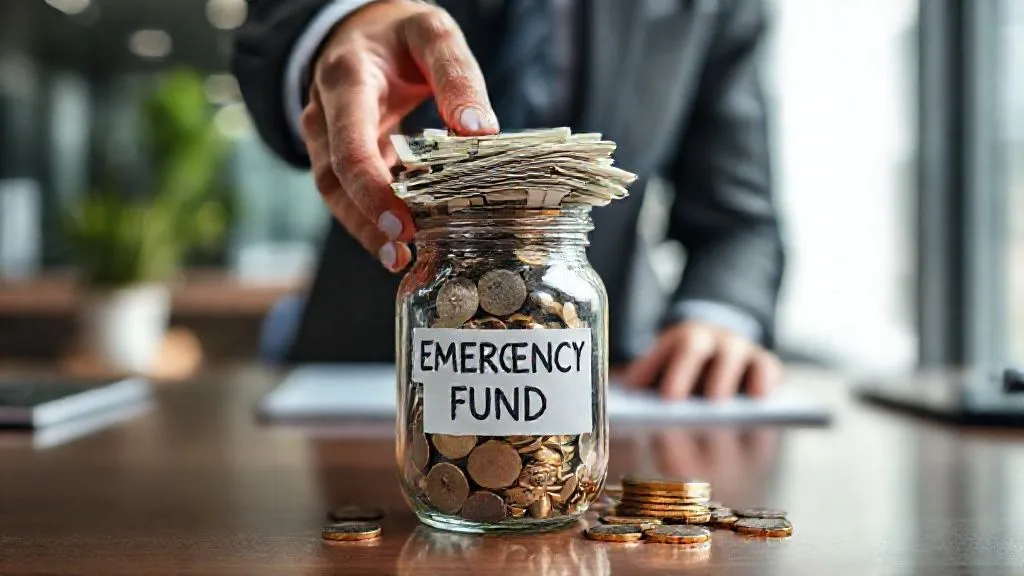
How to Quickly Restore a Depleted Emergency Fund for Professionals?
For over two decades guiding professionals through various financial landscapes, I've witnessed firsthand the profound impact of a depleted emergency fund. It’s not merely a financial setback; it's often an emotional blow that can shake even the most seasoned individual's sense of security and financial peace.
The problem is stark: life, with its unpredictable curveballs like medical emergencies, sudden job transitions, or unforeseen home repairs, doesn't care about your professional title or your meticulously crafted financial plan. When that critical safety net is gone, the feeling of vulnerability can be overwhelming, leading to stress, anxiety, and a scramble for immediate solutions that often come with long-term compromises.
But here's the powerful truth I've learned from countless success stories: a depleted emergency fund is not a permanent state. This guide is designed specifically for you, the driven professional, to provide a robust, actionable framework – a battle plan, if you will – on how to quickly restore a depleted emergency fund. We'll move beyond generic advice, diving into expert insights, strategic income generation, aggressive expense optimization, and a resilient mindset to get you back on track, faster than you might think.
Acknowledge the Hit: The Emotional & Financial Reality
Before we dive into the 'how,' it's crucial to address the 'what.' Experiencing a depleted emergency fund can be a shocking and disheartening event. It's perfectly normal to feel a mix of frustration, anxiety, or even a sense of failure. As an industry veteran, I can assure you that this is not a reflection of your overall financial acumen; it is simply a financial event, often unavoidable, that requires a strategic response.
The unique pressures on professionals often mean higher fixed costs, greater expectations, and a perceived need to maintain a certain lifestyle. This can make the thought of aggressive saving or temporary cutbacks feel particularly daunting. However, acknowledging these feelings, processing them, and then channeling that energy into proactive steps is the first, often overlooked, step towards recovery.
“Financial resilience isn't about avoiding every storm; it's about having the tools and the mindset to rebuild swiftly and emerge stronger.”
Embrace a mindset of determination, not defeat. This situation is a temporary challenge, and with the right strategies, you possess the capacity to not only restore your fund but potentially fortify it even further. This is about taking control, not succumbing to circumstances.

Step 1: Immediate Financial Triage – Stop the Bleeding
Just like in a medical emergency, the first priority is to stop any further damage. For your emergency fund, this means a rigorous assessment of where you stand and immediate action to prevent further financial drain.
Assess the Damage: Where Did It Go?
Understanding the exact cause and extent of the depletion is paramount. This isn't about blame; it's about data collection to inform your strategy.
- Review Recent Expenses: Go through your bank statements, credit card bills, and any other financial records from the period leading up to and during the depletion. Categorize every outflow.
- Identify the Root Cause: Was it a one-time major expense (e.g., medical bill, home repair)? A period of reduced income? Or a gradual creep of lifestyle inflation? Pinpointing the cause helps prevent recurrence.
- Quantify the Depletion: Exactly how much was taken out? How much is left (if any)? Knowing the precise target amount you need to rebuild is your starting line.
Freeze Non-Essential Spending
This is where the 'triage' comes in. For a temporary, defined period, you must be ruthless with your discretionary spending. Think of it as a financial 'lockdown' to funnel every possible dollar towards your emergency fund.
- Pause Subscriptions: Review all streaming services, gym memberships, apps, and software subscriptions. Pause or cancel anything non-critical.
- Eliminate Dining Out & Takeaway: Commit to home-cooked meals. This is often one of the biggest budgetbusters for busy professionals.
- Delay Major Purchases: Postpone any non-essential purchases like new gadgets, clothing, or home decor until your fund is restored.
- Re-evaluate Entertainment: Opt for free or low-cost activities.
To help visualize the impact of these cuts, consider this temporary budget adjustment:
| Expense Category | Pre-Depletion Monthly | Post-Depletion Target |
|---|---|---|
| Dining Out/Takeaway | $800 | $100 |
| Subscriptions (Non-Essential) | $150 | $0 |
| Entertainment/Social | $500 | $50 |
| Shopping (Non-Essential) | $400 | $0 |
For further guidance on creating a lean budget, I often recommend resources like NerdWallet's budgeting tools, which can help you track and categorize your spending effectively.
Step 2: Supercharge Your Income Streams
To quickly restore a depleted emergency fund for professionals, relying solely on cutting expenses is often insufficient. You need to actively boost your income. Leverage your professional skills and network to create new revenue streams, even if temporary.
Optimize Your Primary Income
Look for opportunities within your existing role or company:
- Overtime or Extra Projects: If your role allows, volunteer for additional hours or take on special projects that offer bonus compensation.
- Performance-Based Bonuses: Can you push harder on sales targets or project deliverables to unlock incentive bonuses?
- Negotiate a Temporary Raise (If Timely): While challenging, if you're due for a review or have recently taken on significant new responsibilities, a temporary raise or bonus might be an option.
Explore High-Impact Side Gigs
Your professional expertise is a valuable asset. Think about how you can monetize it outside of your primary employment (ensuring no conflicts of interest with your employer).
- Identify Marketable Skills: Are you an expert in project management, data analysis, graphic design, content writing, or a specific software?
- Research Freelance Platforms: Explore platforms like Upwork, Fiverr, or specialized consulting networks (e.g., GLG, Maven) for short-term, high-paying gigs.
- Offer Consulting/Coaching: If you have a niche expertise, offer your services to individuals or small businesses on a project basis.
- Tutoring/Teaching: Share your knowledge by tutoring students or teaching online courses related to your professional field.
Monetize Underutilized Assets
Look around your home and consider what assets could generate quick cash:
- Sell Unused Items: Clear out clutter and sell high-value items on platforms like eBay, Facebook Marketplace, or local consignment shops.
- Rent Out Spare Space: If you have a spare room, a driveway, or even equipment, consider short-term rentals.

Step 3: Aggressive Expense Reduction – Beyond the Obvious
While Step 1 focused on immediate cuts, this step delves deeper into optimizing your ongoing expenses. This is about identifying and eliminating financial inefficiencies that might have crept into your budget over time, often unnoticed by busy professionals.
Deep Dive into Discretionary Spending
Go beyond the initial freeze. Analyze your spending habits with a fine-tooth comb. Every dollar counts when you're trying to quickly restore a depleted emergency fund.
- Food & Groceries: Plan meals meticulously, buy in bulk when sensible, and be extremely disciplined about avoiding impulse buys or specialty items.
- Transportation: Can you carpool, use public transport, or cycle more often? Even small savings on fuel, tolls, or ride-shares add up.
- Personal Care & Grooming: Consider temporarily reducing salon visits, expensive treatments, or premium products.
Negotiate & Optimize Fixed Costs
Many fixed costs aren't truly 'fixed.' They can often be reduced with a bit of effort.
- Insurance Premiums: Shop around for better rates on auto, home, or health insurance. Even calling your current provider to ask for a review can yield savings.
- Utility Bills: Actively monitor energy and water usage. Consider energy-efficient practices or contacting your provider about usage patterns.
- Internet & Phone Plans: Call your providers to see if you're on the best plan for your actual usage or if there are promotional rates available. Don't be afraid to mention competitor offers.
Negotiation is a powerful skill, not just in business but in personal finance. For insights into effective negotiation, I often point clients to resources like the Harvard Business Review, which frequently publishes articles on negotiation strategies that can be applied to personal financial situations.
Temporary Lifestyle Adjustments
This is about making conscious choices to live more frugally for a defined period. It’s not deprivation; it’s prioritization.
- DIY Everything: From home repairs to coffee, embrace a do-it-yourself mentality.
- Entertainment at Home: Utilize free public libraries, parks, or home entertainment options instead of costly outings.
“The cumulative power of small, consistent cuts can often outweigh the impact of a few large ones. Every dollar saved is a dollar earned for your emergency fund.”
Step 4: Automate & Accelerate Your Savings
Once you've identified where to cut and how to earn more, the key to rapid restoration is automation and acceleration. Remove the willpower factor and make saving a default setting.
Set Up Automated Transfers
This is non-negotiable. As soon as your paycheck hits, a predetermined amount should automatically transfer from your checking account to your designated emergency fund savings account.
- Treat it as a Bill: Just like rent or a mortgage payment, your emergency fund contribution should be a fixed, high-priority expense.
- Increase Frequency: If paid bi-weekly, set up bi-weekly transfers rather than monthly to align with your income flow and reduce the temptation to spend.
The "Pay Yourself First" Principle
This timeless financial principle is particularly critical when you need to quickly restore a depleted emergency fund. It means your savings goal comes before any discretionary spending. Before you allocate money for groceries, entertainment, or even some bills, a portion of your income goes directly to your fund.
Windfalls & Bonuses: Direct to Fund
Any unexpected income – a work bonus, tax refund, inheritance, or even a gift – should be directed straight into your emergency fund. Resist the urge to 'treat yourself' with these funds until your safety net is fully rebuilt.

Step 5: Leverage Debt Strategically (If Applicable)
This step requires careful consideration and is only relevant if you're carrying high-interest debt that is actively hindering your ability to save. The goal here is to free up cash flow for your emergency fund, not to incur more debt.
“While paying off debt is crucial, in the immediate aftermath of an emergency fund depletion, the strategic use of debt repayment can be a powerful tool to accelerate your rebuild, but it requires discipline and a clear understanding of interest rates.”
Prioritize High-Interest Debts
If you have credit card debt or personal loans with very high interest rates (e.g., 15%+), paying these down aggressively can free up significant monthly cash flow that can then be redirected to your emergency fund. This is a nuanced decision, as some argue for rebuilding a small emergency fund first (e.g., $1,000) before tackling high-interest debt. My counsel for professionals is often to do a hybrid: secure a small, immediate buffer, then attack the highest-interest debt to free up maximum cash flow for the larger rebuild.
Debt Avalanche vs. Snowball for High-Interest Debts
- Debt Avalanche: Prioritize paying off debts with the highest interest rates first. This saves you the most money in interest over time.
- Debt Snowball: Prioritize paying off the smallest debts first to gain psychological momentum.
For professionals seeking to optimize their financial resources, the debt avalanche method is generally more financially efficient. However, the psychological win of the snowball method can be powerful for motivation. Choose the one you can stick with.
Remember, taking on *new* debt to fund your emergency savings is counterproductive. This step is about intelligently managing *existing* debt. For comprehensive resources on debt management strategies, the Consumer Financial Protection Bureau (CFPB) offers excellent, unbiased information.
Step 6: The Mindset Shift – Discipline & Patience
Restoring a depleted emergency fund, especially for professionals with significant financial commitments, requires more than just a plan; it demands a robust mindset. This isn't a sprint; it's a strategic marathon.
Financial Peace as a Marathon, Not a Sprint
It's easy to get discouraged if you don't see immediate results. Understand that rebuilding takes time, consistent effort, and patience. Celebrate small wins – every $100, $500, or $1000 milestone you hit. This positive reinforcement fuels your motivation.
- Stay Consistent: Even when it feels slow, stick to your automated transfers and spending reductions. Consistency is the most powerful tool.
- Review Progress Regularly: Weekly or bi-weekly check-ins on your budget and fund balance can keep you engaged and allow for course correction.
Visualize Your Goal
Keep the 'why' at the forefront of your mind. Is it the peace of mind? The ability to withstand future shocks? The freedom to pursue opportunities without financial fear? Visualize your fully restored emergency fund and the sense of security it provides. This mental imagery can be a powerful motivator during challenging moments.
Learn from the Experience
This depletion, while painful, is also a profound learning opportunity. What systems or habits can you put in place to prevent future depletion or mitigate its impact?
- Create a 'Buffer' Beyond the Buffer: Once restored, consider adding an extra month's expenses as a cushion.
- Review Insurance Coverage: Was the emergency insurable? If not, could it be in the future?
- Diversify Income Streams: A side gig isn't just for rebuilding; it's also a hedge against future income shocks.
Case Study: Sarah's Rapid Rebound
Sarah, a 42-year-old Marketing Director, faced a significant challenge when an unexpected roof replacement, costing $15,000, entirely wiped out her emergency fund. The initial shock left her feeling exposed and anxious. However, instead of dwelling on it, Sarah applied a disciplined, multi-pronged approach to quickly restore her depleted emergency fund.
First, she implemented an immediate spending freeze, cutting all discretionary expenses for three months. She then leveraged her professional skills, taking on two freelance marketing consulting projects, each paying $2,500 over a two-month period, which she worked on evenings and weekends. Simultaneously, she called her insurance providers and internet company, successfully negotiating a combined $75 monthly saving. Crucially, she automated a $1,000 bi-weekly transfer to her emergency fund, treating it as her most important bill.
Within six months, Sarah had not only restored her $15,000 emergency fund but had also built an additional $2,000 buffer. Her key was the aggressive dual-focus on both income generation and expense reduction, coupled with unwavering discipline and automation. She emerged with a stronger financial position and a renewed sense of confidence.
Step 7: Build a Stronger Financial Buffer
Once you've successfully restored your emergency fund, the work isn't over. The final, critical step is to fortify your financial buffer, making it more resilient against future shocks. This means re-evaluating your target and optimizing where your funds are held.
Re-evaluate Your Emergency Fund Target
The standard advice of 3-6 months' worth of living expenses is a good starting point, but for professionals, especially those with specialized skills or potentially volatile income (e.g., commission-based roles, entrepreneurs), a larger fund might be more appropriate.
- Consider Your Risk Profile: How stable is your job? Do you have dependents? What are your fixed monthly expenses?
- Aim for 6-12 Months: Many professionals find greater peace of mind with 6-12 months of expenses, especially if their income is high but their re-employment prospects in a niche field might take longer.
Diversify Your Savings Location
While your primary emergency fund should be easily accessible, consider optimizing where it sits to earn a little extra while remaining liquid.
- High-Yield Savings Accounts (HYSA): These offer better interest rates than traditional savings accounts while maintaining liquidity.
- Money Market Accounts: Similar to HYSAs, often with check-writing privileges, but can sometimes have higher minimum balances.
- Short-Term CDs (Certificates of Deposit): For a portion of your fund that you're confident you won't need for 3-6 months, a short-term CD can offer slightly higher returns, though with less liquidity.
Here's a quick comparison:
| Savings Vehicle | Pros | Cons | Interest Rate (Example) |
|---|---|---|---|
| High-Yield Savings Account (HYSA) | High liquidity, better interest than traditional savings, FDIC-insured | Interest rates can fluctuate, not as high as investments | 4.00-5.00% APY |
| Money Market Account | High liquidity, check-writing, often better rates than HYSAs | Higher minimum balances, interest rates can fluctuate | 4.00-5.00% APY |
| Short-Term CD (e.g., 3-6 months) | Fixed, often higher interest rate, FDIC-insured | Lower liquidity (penalties for early withdrawal) | 4.50-5.50% APY |

Frequently Asked Questions (FAQ)
How long should it realistically take to restore a depleted emergency fund? The timeline varies significantly based on your income, expenses, and the extent of the depletion. For a professional implementing aggressive income-boosting and expense-cutting strategies, it's realistic to aim for substantial restoration within 3-12 months. Some may achieve it faster, others may take a bit longer, but consistent effort is key.
Should I prioritize paying off debt or rebuilding my emergency fund? This is a common dilemma. My recommendation for professionals is often a hybrid approach: first, establish a mini-emergency fund of $1,000-$2,000 for immediate, small emergencies. Once that's in place, aggressively tackle high-interest debt (e.g., credit cards) to free up significant cash flow. After that debt is managed, pivot back to fully rebuilding your larger emergency fund. This strategy balances immediate security with long-term financial efficiency.
What if my income is too unstable to save quickly? For professionals with variable income, the 'supercharge income' step becomes even more critical. Focus on diversifying your income streams and setting aside a larger percentage during high-income months. During leaner months, adjust your automated savings down, but don't stop entirely. It's also wise to aim for a larger emergency fund (e.g., 9-12 months) to buffer against income fluctuations.
Are there any tax implications for quickly increasing my savings? Generally, contributions to a standard emergency fund (like a high-yield savings account) are made with after-tax dollars and do not have direct tax implications. However, if you're earning significant income from side gigs, remember to track these earnings and consult with a tax professional, as they may be subject to self-employment taxes or require estimated tax payments. Interest earned on savings accounts is taxable.
How do I prevent my emergency fund from being depleted again? Prevention is key. Firstly, maintain a robust emergency fund that covers 6-12 months of expenses. Secondly, continuously review your budget and financial plan for vulnerabilities. Thirdly, consider establishing a separate 'sinking fund' for predictable large expenses (e.g., home repairs, car maintenance) to prevent them from dipping into your emergency fund. Finally, regularly review your insurance policies to ensure adequate coverage for major risks.
Key Takeaways and Final Thoughts
The journey to quickly restore a depleted emergency fund for professionals is a testament to resilience, discipline, and strategic action. It’s a challenge that many face, but with the right framework, it's entirely surmountable. Let's recap the critical steps to reclaim your financial peace:
- Act Decisively: Immediately triage your finances, stop unnecessary spending, and assess the full extent of the depletion.
- Boost Income Aggressively: Leverage your professional skills for side gigs, optimize your primary income, and monetize unused assets.
- Cut Expenses Deeply: Go beyond obvious cuts, negotiating fixed costs and making temporary lifestyle adjustments.
- Automate & Accelerate: Implement automated transfers and direct all windfalls straight to your fund.
- Manage Debt Strategically: Prioritize high-interest debt to free up cash flow for your fund, if applicable.
- Cultivate a Resilient Mindset: Embrace patience, celebrate small wins, and learn from the experience.
- Fortify for the Future: Re-evaluate your target fund size and optimize where your savings are held for maximum security and growth.
Remember, this isn't just about money; it's about regaining control, reducing stress, and building a stronger foundation for your future. You have the expertise, the drive, and now, the actionable plan. Take these steps with conviction, and you will not only restore your emergency fund but emerge with an even more robust and resilient financial life. Your financial peace is within reach – go seize it.
Recommended Reading
- Avoid 5 Costly Payroll Tax Penalties: Small Business Guide
- 7 Steps: Choosing Tax Software for Multi-State Business Filings
- Unexpected Expenses Halted Your Debt Avalanche? 5 Expert Fixes Now
- Fix Credit Report Errors FAST: 5 Steps to Accurate Scores
- Unlock Your Rights: How to Appeal a Financial Ombudsman Decision Successfully





Comments
Leave a comment below. Your email will not be published. Required fields marked with *