


How to Mitigate Cyber Risk for Client Data in Insurance Portfolios?
For over two decades in the financial services sector, particularly within insurance, I've witnessed firsthand the seismic shifts in how we manage risk. What was once primarily about actuarial tables and market fluctuations has profoundly evolved to include an invisible, yet potent, adversary: cyber threats. I've seen promising firms brought to their knees, not by market downturns, but by a single, devastating data breach that eroded client trust and incurred astronomical penalties. This isn't just a technical problem; it's a fundamental challenge to the very bedrock of our industry—trust.
The core pain point for insurance providers today is the inherent vulnerability of client data. Our portfolios are treasure troves of Personally Identifiable Information (PII) and Protected Health Information (PHI), from birth dates and social security numbers to medical histories and financial details. This sensitive data, essential for underwriting and claims processing, makes us prime targets for sophisticated cybercriminals. The consequences of a breach extend far beyond financial losses, impacting reputation, regulatory standing, and ultimately, client loyalty.
This article isn't just another theoretical discussion; it's a deep dive into practical, actionable frameworks that I've seen successfully implemented across the industry. We'll explore expert insights, draw upon real-world analogies, and provide step-by-step guidance on how to mitigate cyber risk for client data in insurance portfolios. My goal is to equip you with the knowledge and strategies to build a resilient cyber defense, safeguarding your clients' trust and your firm's future.
Understanding the Evolving Cyber Threat Landscape in Insurance
In my experience, many insurance firms underestimate the sophistication and relentless nature of modern cyber threats. It’s no longer just about opportunistic hackers; we're talking about highly organized criminal enterprises, and even state-sponsored actors, who view insurance client data as a high-value target. Ransomware, phishing, and business email compromise (BEC) schemes are daily occurrences, often specifically tailored to exploit the trust-based relationships inherent in our industry.
The unique challenge for insurance lies in the sheer volume and sensitivity of the data we handle. Client medical records, financial histories, and even beneficiary information can be leveraged for identity theft, fraud, or even blackmail. Furthermore, the interconnectedness of our systems with third-party vendors creates a complex attack surface. According to the IBM Cost of a Data Breach Report, the financial sector consistently faces some of the highest breach costs due to stringent regulatory requirements and the critical nature of the compromised data.
What I've learned over the years is that understanding the adversary is the first step to defense. Cybercriminals are constantly innovating, finding new vectors and exploiting emerging vulnerabilities. This necessitates a proactive, adaptive security posture rather than a reactive one. Remaining static in your cyber defenses is, in essence, an invitation for a breach.
The Foundation: Robust Data Governance and Classification
You can't protect what you don't understand. The cornerstone of effective cyber risk mitigation is a comprehensive data governance strategy, starting with meticulous data classification. I often advise firms to undertake a thorough data mapping exercise: identifying where all client data resides, how it moves through your systems, and who has access to it. This initial audit is often eye-opening, revealing hidden repositories and outdated access privileges.
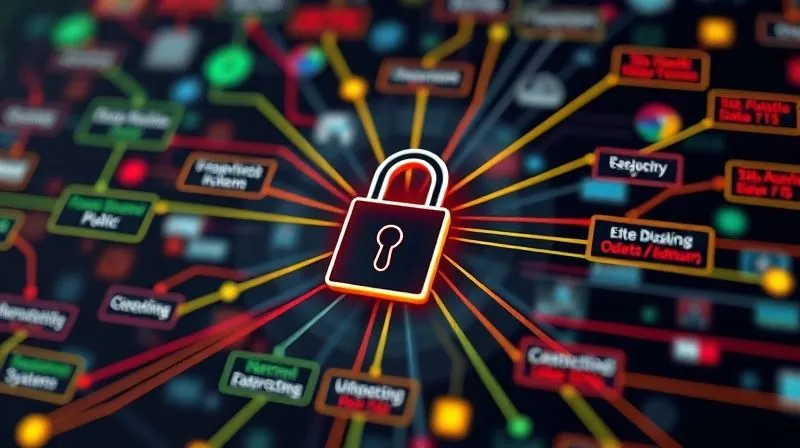
Once identified, data must be classified based on its sensitivity and criticality. This isn't just an academic exercise; it dictates the level of security controls applied. For instance, PII and PHI require the highest level of encryption, access restrictions, and monitoring, whereas publicly available marketing materials would have far fewer constraints. A clear classification schema enables you to allocate resources effectively and ensure compliance with regulations like HIPAA, GDPR, and CCPA.
Implementing a robust data lifecycle management plan is also crucial. This includes policies for data creation, storage, use, sharing, archiving, and secure destruction. Data that is no longer needed but still stored on your systems represents an unnecessary risk. Regular reviews of data retention policies can significantly reduce your attack surface.
| Data Classification Tier | Description | Security Controls |
|---|---|---|
| Public | Information intended for public consumption (e.g., marketing). | Minimal access control, no encryption required. |
| Internal | Non-sensitive internal business information (e.g., internal memos). | Standard access control, internal network protection. |
| Confidential | Sensitive business information, PII, PHI (e.g., client names, policy details). | Strict access control, encryption at rest/in transit, audit logs, MFA. |
| Restricted | Highly sensitive, legally protected data (e.g., SSN, medical records). | Highest level of access control, mandatory encryption, real-time monitoring, compliance audits, data loss prevention (DLP). |
Case Study: How ApexSure Streamlined Data Governance
ApexSure, a regional insurance carrier, struggled with inconsistent data handling across its departments, leading to compliance gaps and increased risk. By implementing a centralized data governance framework, they first mapped all client data repositories using automated tools. They then established a clear, four-tier data classification system, assigning specific owners and security protocols for each tier. Within 12 months, ApexSure reduced their identified data vulnerabilities by 40% and significantly improved their audit readiness, demonstrating that a structured approach to data governance is not just theoretical but delivers tangible security improvements.
Implementing Multi-Layered Technical Safeguards
Once you understand your data, the next critical step is to build robust technical defenses. A single layer of security is never enough; you need a multi-layered, 'defense-in-depth' approach. This means securing your perimeter, your network, your endpoints, and the data itself. Encryption is paramount: all client data, whether at rest in your databases or in transit across networks, must be encrypted using strong, industry-standard algorithms. This renders stolen data useless to unauthorized parties.
Strong authentication mechanisms are also non-negotiable. Multi-Factor Authentication (MFA) should be mandatory for all employees accessing sensitive systems, not just a select few. This significantly reduces the risk of credential theft leading to a breach. Network segmentation is another powerful tool, isolating different parts of your network to contain potential breaches and prevent lateral movement by attackers. For instance, separating your claims processing network from your marketing network means a breach in one won't automatically compromise the other.
Endpoint security, including advanced anti-malware and intrusion detection systems, is essential for every device that touches client data. Furthermore, a Security Information and Event Management (SIEM) system can aggregate and analyze security logs from across your infrastructure, providing real-time threat detection and alerting. These tools are the eyes and ears of your cyber defense team.
- Assess Your Current Network Architecture: Identify all entry points, critical assets, and data flows. Understand your existing security controls and their limitations.
- Implement Network Segmentation: Divide your network into isolated segments based on data sensitivity and user roles. Use firewalls and access control lists to restrict traffic between segments.
- Deploy Strong Endpoint Protection: Install advanced anti-virus, anti-malware, and Endpoint Detection and Response (EDR) solutions on all devices accessing client data.
- Mandate Multi-Factor Authentication (MFA): Enforce MFA for all user accounts, especially those with elevated privileges, across all internal and external systems.
- Encrypt Data Everywhere: Ensure all client data is encrypted at rest (in databases, storage) and in transit (over networks, VPNs).
- Utilize a SIEM Solution: Centralize security logs for real-time monitoring, threat detection, and rapid incident response.
- Regularly Patch and Update Systems: Keep all software, operating systems, and firmware up-to-date to protect against known vulnerabilities.
Fortifying Human Defenses: Training and Awareness
No matter how sophisticated your technology, your employees remain your strongest asset—or your weakest link—in the fight against cyber threats. I've seen countless instances where a well-meaning employee, unaware of the risks, inadvertently opened the door for attackers. This underscores the critical need for continuous, engaging, and relevant cybersecurity awareness training. It's not a one-off annual event; it's an ongoing cultural imperative.
Training should cover common attack vectors like phishing, social engineering, and ransomware. But it needs to go beyond simply listing threats; it must empower employees to recognize, report, and respond appropriately. Phishing simulations, for example, are incredibly effective. They allow employees to practice identifying suspicious emails in a safe environment, reinforcing their learning and highlighting areas for improvement.
Fostering a strong security culture means making everyone responsible for cybersecurity. Encourage employees to report anything suspicious without fear of reprimand. Establish clear communication channels for security concerns and celebrate proactive reporting. When your team understands the 'why' behind security policies, they become active participants in protecting client data.

Third-Party Risk Management: Vetting Your Vendors
In today's interconnected insurance ecosystem, it's rare for an organization to operate entirely in isolation. We rely on a myriad of third-party vendors for everything from cloud hosting and software solutions to claims processing and data analytics. However, each vendor introduces a potential new vulnerability into your supply chain. As I often tell my clients, your cyber perimeter extends as far as your least secure vendor.
Effective third-party risk management begins with rigorous due diligence during the vendor selection process. Don't just look at their service offerings; scrutinize their cybersecurity posture. Ask for their security certifications (e.g., ISO 27001, SOC 2 Type II reports), review their incident response plans, and understand their data handling practices. This initial vetting can prevent significant headaches down the line.
Once a vendor is onboarded, the relationship requires continuous monitoring and clear contractual obligations. Your contracts should explicitly define security requirements, audit rights, and liability in the event of a breach. Regular security assessments and audits of your key vendors are essential to ensure they maintain the agreed-upon standards. Remember, a breach originating from a third party can still severely impact your reputation and regulatory standing.
"In the digital age, a company's cyber risk profile is not solely defined by its internal defenses, but by the collective security posture of its entire supply chain. Neglecting third-party risk is like leaving your back door wide open while fortifying the front." - Industry Expert Insight
- Conduct Thorough Due Diligence: Before engaging any third-party vendor, perform a comprehensive security assessment. Request security certifications, audit reports, and review their data protection policies.
- Establish Clear Contractual Obligations: Ensure your vendor contracts include explicit cybersecurity requirements, data handling protocols, incident notification clauses, and audit rights.
- Implement Continuous Monitoring: Regularly monitor your vendors' security posture through security ratings services, periodic reviews, and ongoing communication.
- Develop an Exit Strategy: Plan for the secure transition and deletion of your data if a vendor relationship ends, ensuring no residual data remains unmanaged.
Proactive Incident Response and Business Continuity Planning
No matter how robust your defenses, the reality is that a cyber incident is a matter of 'when,' not 'if.' The true measure of an organization's resilience isn't whether it experiences an incident, but how quickly and effectively it can respond and recover. This is where a well-defined incident response (IR) plan and a comprehensive business continuity plan (BCP) become invaluable. I cannot stress enough the importance of having these plans not just documented, but regularly tested.
An IR plan outlines the steps your organization will take from detection to containment, eradication, recovery, and post-incident analysis. It should clearly define roles and responsibilities, communication protocols (internal and external), and technical procedures. Tabletop exercises, where your team simulates a breach scenario, are crucial for identifying gaps in your plan and ensuring everyone understands their role under pressure. This aligns with frameworks like the NIST Cybersecurity Framework, which emphasizes preparedness and response.
Your BCP works hand-in-hand with your IR plan, focusing on maintaining critical business functions during and after a cyber disruption. This includes robust data backup and recovery strategies, ensuring that your client data can be restored quickly and reliably. Off-site, immutable backups are a must for protection against ransomware. Remember, the goal is to minimize downtime and ensure continuous service to your clients, even in the face of adversity.

Leveraging Cyber Insurance as a Strategic Risk Transfer Tool
While mitigation is paramount, some residual risk will always remain. This is where cyber insurance plays a crucial role as a strategic risk transfer tool. It's not a substitute for robust cybersecurity, but rather a financial safety net designed to cover the significant costs associated with a data breach or cyberattack. In my experience, many firms view cyber insurance as a simple expense, but it should be seen as an integral part of your overall risk management strategy.
A good cyber insurance policy typically covers a range of expenses, including legal fees, forensic investigations, notification costs for affected clients, credit monitoring services, public relations expenses, business interruption losses, and even ransomware negotiation and payment (though the latter is debated). Understanding the nuances of your policy—what it covers, what it excludes, and its limits—is critical. I always advise working with a knowledgeable broker who specializes in cyber risk to tailor a policy that genuinely meets your firm's specific needs and exposure.
However, it's vital to remember that cyber insurance often comes with stringent requirements regarding your existing cybersecurity controls. Insurers are increasingly asking detailed questions about your incident response plans, employee training, and technical safeguards. A strong security posture not only helps you qualify for better coverage but can also lead to lower premiums. It's a clear demonstration that proactive mitigation efforts directly impact your financial protection. For further insights on the evolving market, consider resources like Forbes Advisor's take on cyber insurance.
Continuous Monitoring, Auditing, and Adaptation
Cybersecurity is not a set-it-and-forget-it endeavor. The threat landscape is constantly evolving, and your defenses must evolve with it. Continuous monitoring of your systems, networks, and data flows is essential for detecting anomalies and potential threats in real-time. This includes leveraging threat intelligence feeds to stay informed about emerging attack techniques and vulnerabilities relevant to the insurance sector.
Regular security audits, both internal and external, are non-negotiable. Vulnerability assessments identify weaknesses in your systems, while penetration testing simulates real-world attacks to expose exploitable flaws. These exercises provide invaluable insights into your security posture and help prioritize remediation efforts. Furthermore, staying abreast of regulatory changes, such as updates to GDPR, HIPAA, or state-specific privacy laws, is crucial for maintaining compliance and avoiding hefty fines.
What I've consistently observed is that organizations that embrace a culture of continuous improvement in cybersecurity are far more resilient. This means regularly reviewing your policies, processes, and technologies, adapting them based on new threats, audit findings, and lessons learned from any incidents. It’s an ongoing cycle of assessment, improvement, and re-evaluation that builds true cyber resilience for your client data in insurance portfolios.
| Audit Type | Frequency | Scope | Output |
|---|---|---|---|
| Vulnerability Assessment | Quarterly/Bi-Annually | Identify known security weaknesses in systems, applications, and networks. | List of vulnerabilities with severity ratings. |
| Penetration Testing | Annually/Bi-Annually | Simulate real-world attacks to exploit vulnerabilities and test defenses. | Report on exploitable weaknesses and recommendations. |
| Compliance Audit | Annually/As required by regulation | Verify adherence to specific regulatory frameworks (e.g., HIPAA, GDPR, CCPA). | Compliance report and identified gaps. |
| Internal Security Audit | Continuous/Monthly | Review internal security policies, procedures, and employee adherence. | Internal audit findings and recommendations for policy updates. |
Frequently Asked Questions (FAQ)
Q: Is cyber insurance a substitute for strong cybersecurity measures? A: Absolutely not. I've seen this misconception too often. Cyber insurance is a financial risk transfer tool, not a preventative measure. Insurers increasingly require robust cybersecurity controls as a prerequisite for coverage, and a strong posture can lead to better premiums. It mitigates financial impact, but it doesn't prevent the reputational or client trust damage of a breach.
Q: What are the biggest cyber threats specifically targeting insurance portfolios? A: Beyond generic threats like ransomware and phishing, the insurance sector is particularly vulnerable to sophisticated social engineering attacks targeting employees with access to sensitive client data. Business Email Compromise (BEC) is prevalent, as is insider threat (both malicious and accidental). The sheer volume of PII and PHI makes us a prime target for identity theft and medical fraud.
Q: How can smaller insurance agencies with limited IT budgets effectively mitigate cyber risk? A: Even with limited resources, foundational steps are crucial. Focus on employee training (your strongest defense), implement MFA everywhere, use strong passwords, ensure regular backups, and leverage cloud services with built-in security. Prioritize data classification to protect your most sensitive PII. Consider outsourced security services (MSSPs) if in-house expertise is lacking.
Q: What role does AI play in mitigating cyber risk for client data in insurance portfolios? A: AI is becoming indispensable. It can analyze vast amounts of data to detect anomalies and potential threats far faster than humans, enhancing SIEM systems and threat intelligence. AI-driven tools can improve endpoint detection, identify sophisticated phishing attempts, and even predict potential vulnerabilities. However, AI is a tool; human oversight and expertise remain critical.
Q: How often should an insurance firm conduct cybersecurity audits and penetration tests? A: I recommend vulnerability assessments at least quarterly, if not more frequently, especially after significant system changes. Penetration testing should be conducted annually as a minimum, and ideally semi-annually, by independent third parties. Compliance audits will be dictated by specific regulatory requirements but should be an ongoing process.
Key Takeaways and Final Thoughts
- Data Governance is Foundation: Understand, classify, and manage your client data meticulously.
- Multi-Layered Defenses are Essential: Combine technical safeguards like encryption, MFA, and network segmentation.
- Humans are Your First Line of Defense: Invest in continuous, engaging cybersecurity training and foster a strong security culture.
- Third-Party Risk is Your Risk: Rigorously vet and monitor all vendors accessing your client data.
- Prepare for the Inevitable: Develop, test, and refine incident response and business continuity plans.
- Cyber Insurance is a Strategic Tool: Use it for financial transfer, but not as a substitute for prevention.
- Cybersecurity is an Ongoing Journey: Continuously monitor, audit, and adapt your defenses to the evolving threat landscape.
The journey to effectively mitigate cyber risk for client data in insurance portfolios is complex and never truly ends. It demands vigilance, investment, and a proactive mindset from every level of your organization. By adopting the comprehensive strategies I've outlined, you're not just protecting your data; you're safeguarding the trust that is the lifeblood of the insurance industry. Embrace these challenges as opportunities to build a more resilient, trustworthy, and future-proof organization. Your clients, and your firm's legacy, depend on it.
Recommended Reading
- Car Repair Crisis: Emergency Fund Depleted? 7 Steps to Fix It Now
- Unlock Foreclosure Success: 7 Steps to Navigate Complex Title Issues
- Financial Safety Net: How Does Insurance Offer Protection?
- Prevent Sophisticated ATM Skimming: 7 Steps for Large Networks
- Unveiling the Impact: How Core Inflation Drives Global Central Bank Policy





Comments
Leave a comment below. Your email will not be published. Required fields marked with *