



How to Manage Urgent Home Repair When Emergency Fund is Low?
For over two decades in personal finance, I've witnessed countless individuals navigate the unexpected curveballs life throws their way. One of the most stressful, and surprisingly common, is the sudden, urgent home repair when your emergency fund is looking rather anemic. It's a gut-wrenching moment when your sanctuary becomes a source of immense financial anxiety.
The problem isn't just the repair itself; it's the feeling of helplessness. A burst pipe, a failing furnace in winter, or a caved-in section of roof isn't just an inconvenience; it's a direct threat to your safety, comfort, and the value of your largest asset. When your carefully built emergency savings are depleted or simply non-existent, the stress can feel insurmountable, leading to rash decisions or, worse, inaction that exacerbates the problem.
But I assure you, you're not alone, and there are concrete, actionable strategies you can employ. In this definitive guide, I'll walk you through a proven framework, born from years of experience and real-world scenarios, designed to help you not only manage urgent home repair when emergency fund is low but also emerge stronger and more financially resilient. We'll cover everything from immediate damage control and smart financing options to negotiating with contractors and rebuilding your financial safety net.
The Harsh Reality: When Your Home Cries for Help and Your Wallet Whispers No
I've seen it time and again: a perfectly calm evening shattered by the sound of gushing water, or the sudden, ominous silence of a heating system that has given up the ghost. These aren't minor inconveniences; they're often critical issues that demand immediate attention, not just for comfort, but for the structural integrity and safety of your home. Ignoring a leaky roof can lead to extensive water damage, mold, and rot, escalating a manageable problem into a catastrophic one.
The initial panic is natural. Your mind races through potential costs, and if your emergency fund is low, or worse, non-existent, a wave of despair can set in. You might feel trapped, wondering how you'll possibly afford the fix without plunging into deep debt or sacrificing other essential needs. This isn't just about money; it's about the emotional toll of feeling your secure haven is under threat.
Many people make the mistake of either procrastinating, hoping the problem will magically resolve itself (it never does), or immediately reaching for the highest-interest credit card in a moment of desperation. Both approaches can lead to long-term financial pain. My goal here is to equip you with the knowledge to avoid these pitfalls and make informed, strategic decisions even under duress.
"An ounce of prevention is worth a pound of cure, but when prevention fails, a pound of smart planning is worth a ton of panic." – My personal mantra for financial crises.
Understanding the gravity of the situation without succumbing to panic is the first step. Recognize that while the situation is urgent, it's not hopeless. There are pathways forward, and by systematically addressing the problem, you can mitigate the damage and secure the necessary repairs.
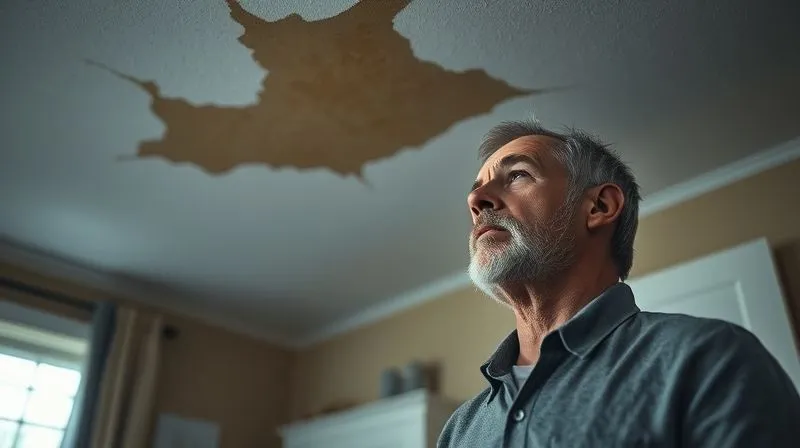
Immediate Assessment: Prioritizing the Critical Over the Cosmetic
When an urgent repair arises, the first, most crucial step is to objectively assess the situation. Is it a true emergency that threatens safety, health, or further property damage, or is it something that can wait a few days or even weeks? I've advised clients to think of it in terms of triage, much like a medical emergency room.
Here's how to prioritize:
- Category 1: Life-Threatening/Safety Hazards: This includes gas leaks, exposed electrical wires, major structural damage, or a complete lack of heat in freezing temperatures. These require immediate professional attention, often before anything else.
- Category 2: Preventing Further Damage: A severe roof leak, a burst pipe causing active flooding, or a non-functioning sewage system. These need prompt action to prevent the problem from escalating and costing even more in the long run.
- Category 3: Essential Functionality: A broken water heater, a malfunctioning refrigerator, or a blocked toilet (if it's the only one). While urgent, you might have a day or two to explore options.
- Category 4: Comfort/Cosmetic: A broken window that doesn't let in rain, a non-essential appliance failure, or minor cosmetic damage. These can typically be deferred until funds are more readily available.
Once you've categorized the repair, your focus narrows. For Category 1 and 2 issues, immediate action is paramount. For others, you gain valuable time to explore financing and repair options without the same level of pressure. Always take steps to mitigate immediate damage yourself if it's safe to do so – turning off the main water supply for a leak, for example, can save thousands in secondary damage.
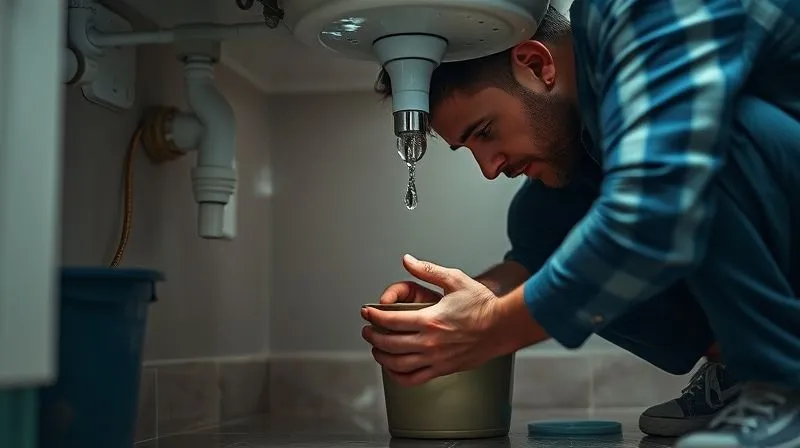
Unlocking Hidden Resources: Creative Financing in a Pinch
This is where my expertise in finances really comes into play. When your emergency fund is low, it doesn't mean you're out of options. It means you need to get creative and strategic with your financing. Avoid predatory lenders at all costs; their short-term 'solution' will only deepen your long-term financial woes.
Here are several viable avenues to explore:
- Home Equity Line of Credit (HELOC) or Home Equity Loan: If you have equity in your home, a HELOC or home equity loan can offer lower interest rates than personal loans or credit cards. These are secured loans, making them less risky for lenders. However, they use your home as collateral, so ensure you can manage the repayments.
- Personal Loan: Unsecured personal loans from banks or credit unions can be an option. Interest rates vary widely based on your credit score. Shop around and compare offers. Some credit unions offer specific 'emergency' or 'home repair' loans.
- 0% APR Credit Card: If you have excellent credit, you might qualify for a credit card with an introductory 0% APR period (typically 12-18 months). This is a viable option *only if* you are absolutely certain you can pay off the balance before the promotional period ends, to avoid hefty retroactive interest.
- Negotiate with the Contractor: Many contractors are willing to work out payment plans, especially for urgent repairs. Don't be afraid to ask. They might offer staggered payments or even a discount for cash.
- Family and Friends: While often uncomfortable, a low-interest or interest-free loan from a trusted family member or friend can be a lifesaver. Ensure you have a clear, written agreement outlining repayment terms to avoid misunderstandings.
- Local Government & Non-Profit Programs: Many cities, counties, and non-profit organizations offer grants or low-interest loans for home repairs, especially for low-income homeowners, seniors, or those with specific accessibility needs. Research what's available in your area.
- 401(k) Loan: As a last resort, you might consider a 401(k) loan. You borrow from your own retirement savings and pay yourself back with interest. The downside is that if you leave your job, the loan may become due immediately, and failure to repay could result in taxes and penalties. I generally advise against this unless all other options are exhausted, as it jeopardizes your retirement security.
Before committing to any financing, calculate the total cost, including interest, and ensure it fits into your budget. Remember, leveraging debt should always be a calculated decision, not a desperate gamble. According to a recent study by Investopedia, understanding your debt-to-income ratio is crucial before taking on new loans, especially for unexpected expenses.
| Financing Option | Pros | Cons |
|---|---|---|
| HELOC/Home Equity Loan | Lower interest, secured by home equity | Uses home as collateral, longer approval |
| Personal Loan | Unsecured, faster approval | Higher interest, credit score dependent |
| 0% APR Credit Card | No interest for intro period | High interest if not paid off, good credit needed |
| 401(k) Loan | Low interest, no credit check | Ties up retirement, immediate repayment if job loss |
Negotiating with Contractors: Getting More for Less
Even with urgent repairs, you often have more leverage than you think. I've guided many clients through the process of getting fair pricing without compromising on quality. The key is to be informed, clear, and assertive.
- Get Multiple Bids: Even for emergencies, try to get at least two or three quotes. This provides a baseline and allows you to compare pricing and proposed solutions. If time is extremely critical, get at least one, and then use your research to challenge it.
- Be Specific About the Problem: Clearly articulate the issue. Don't let a contractor upsell you on repairs you don't need. If you've done your initial assessment, you'll know what's truly urgent.
- Ask for Itemized Quotes: A good quote should break down labor, materials, and any other fees. This transparency allows you to see where costs are coming from and potentially negotiate specific line items.
- Negotiate Payment Terms: As mentioned, ask about payment plans. Some contractors might offer a discount for cash payments, especially if it's a smaller, local business.
- Check References and Reviews: Even in a rush, a quick online search for reviews on platforms like Yelp or Google, or checking with the Better Business Bureau (BBB), can save you from a costly mistake. Don't hire someone without verifying their reputation.
- Look for Local Specialists: Sometimes, a smaller, local specialist might have more flexibility in pricing and scheduling than a large company, especially if they're trying to build their local reputation.
- Understand Warranties: Ensure any work done comes with a warranty. This protects you if the repair fails shortly after completion.
Remember, a reputable contractor wants your business and a good reputation. They're often willing to work with you if you're transparent about your budget constraints and reasonable in your requests. It's about finding a win-win solution.
The DIY vs. Professional Dilemma: Knowing Your Limits
In a financial pinch, the allure of DIY can be strong. "I'll just fix it myself!" is a common thought. While commendable, it's crucial to know your limits. I've seen DIY attempts turn a minor issue into a major, more expensive disaster many times over.
- When DIY is Viable: For minor issues like patching a small drywall hole, unclogging a simple drain, or replacing a leaky faucet washer, DIY can save you money. These are tasks where the risk of causing further damage is low, and the tools required are minimal. There are countless online tutorials for these basic repairs.
- When to Call a Pro: For anything involving electrical systems, gas lines, major plumbing (especially anything behind walls), structural issues, or complex HVAC repairs, always call a professional. The risks of injury, fire, flood, or causing irreparable damage are too high. Your homeowner's insurance might also deny claims if damage is caused by unqualified DIY work.
- Cost-Benefit Analysis: Consider not just the cost of hiring a pro, but also the potential cost of a botched DIY job. If a professional charges $500 for a repair, but your DIY attempt could lead to $5,000 in additional damage, the choice is clear.
Always err on the side of caution. Your home is a significant investment, and your safety is paramount. If you're unsure, get a professional opinion. Sometimes, a professional can even guide you on what parts of a job you *can* safely do yourself to cut costs, while they handle the complex parts.

Case Study: Sarah's Leaky Roof and Her Smart Recovery
How Sarah Managed a Crisis with a Low Emergency Fund
Sarah, a single mother with a modest income, woke up one rainy morning to a persistent drip from her living room ceiling. A quick inspection revealed a significant roof leak, likely exacerbated by a recent storm. Her emergency fund, unfortunately, was nearly depleted after a medical emergency for her child.
Panic quickly set in. Her immediate thought was to call the first roofer she found. However, remembering advice she'd heard, she took a breath and followed a structured approach. First, she placed buckets to catch the water and covered furniture to prevent further damage. She identified it as a Category 2 emergency – preventing further damage was key.
Next, she called three local roofing companies for quotes. The first quote was exorbitant. The second was more reasonable, and the third, a smaller, family-run business, offered a competitive price with a willingness to discuss payment terms. Sarah explained her situation transparently, not asking for charity, but for flexibility. The third contractor, empathetic to her plight, offered a plan: 50% upfront, and the remaining 50% payable in two installments over the next 60 days, with a small discount for cash upfront. She also learned they were highly rated on local review sites.
To cover the initial 50%, Sarah secured a small, short-term personal loan from her credit union at a reasonable interest rate, specifically for home repairs. It wasn't ideal, but far better than a high-interest credit card. She also cut back on non-essential expenses for the next two months, redirecting those savings towards the repair installments. Within three months, Sarah had her roof repaired, the loan paid off, and was actively rebuilding her emergency fund. Her proactive approach, combined with strategic financing and negotiation, saved her from a much deeper financial hole. This demonstrates the power of a calm, systematic approach when faced with an urgent home repair when emergency fund is low.
Building Future Resilience: Rebuilding Your Emergency Fund Strategically
Once the immediate crisis is averted, your next critical step is to prevent a recurrence. This means aggressively rebuilding your emergency fund. I've found that having a clear, actionable plan makes this daunting task much more manageable.
- Automate Savings: Set up an automatic transfer from your checking to a dedicated savings account every payday. Even a small amount consistently adds up. Treat this transfer like a non-negotiable bill.
- Cut Discretionary Spending: Temporarily reduce non-essential expenses like dining out, entertainment, or subscription services. Every dollar saved can go directly into your emergency fund.
- Seek Additional Income: Can you pick up a side hustle, sell unused items, or work extra hours? Even a temporary boost in income can significantly accelerate your savings.
- "Found Money" Strategy: Direct any unexpected windfalls – tax refunds, bonuses, gifts – directly into your emergency fund. Resist the urge to spend it.
- Review Your Budget: A detailed budget helps identify areas where you can trim expenses. Use a budgeting app or spreadsheet to track every dollar.
- Set a Clear Goal: Aim for 3-6 months of essential living expenses. Break this down into smaller, achievable milestones to stay motivated. For example, aim to save $500 in the first month, then $1000, and so on.
Remember, an emergency fund isn't a luxury; it's a necessity, especially for homeowners. It's your first line of defense against unexpected financial shocks, giving you peace of mind and protecting your assets. As Seth Godin wisely states about marketing, consistency trumps intensity. The same applies to saving; consistent, small efforts build monumental security over time.
| Strategy | Action | Impact |
|---|---|---|
| Automate Savings | Set up recurring transfers | Consistent growth, less effort |
| Cut Spending | Temporary pause on non-essentials | Rapid fund boost |
| Additional Income | Side hustle, sell items | Accelerated savings potential |
| Found Money | Direct windfalls to savings | Significant one-time boosts |

Frequently Asked Questions (FAQ)
Question: What if I have really bad credit and can't get a loan for urgent home repairs? If your credit is severely impacted, traditional loans might be difficult. Your best options are often local non-profit assistance programs, grants specifically for low-income homeowners, or negotiating a payment plan directly with a contractor who might be willing to work with you on a smaller, essential repair. Sometimes, a secured loan from a credit union, using a co-signer, or a very small loan from family/friends could be considered as last resorts. Avoid payday loans or title loans, as their exorbitant interest rates will trap you in a cycle of debt.
Question: Should I use a credit card for an urgent repair if my emergency fund is low? Using a credit card for an urgent repair when your emergency fund is low can be a calculated risk. If you have excellent credit and can get a 0% APR introductory offer, it can be a viable short-term bridge, provided you have a concrete plan to pay off the balance before the promotional period ends. If not, the high interest rates can quickly make the repair significantly more expensive. I generally recommend exploring lower-interest options like personal loans or credit union offerings first.
Question: How can I tell if a contractor is legitimate, especially when I'm in a hurry? Even in an emergency, taking a few minutes to vet a contractor is crucial. Always ask for proof of licensing and insurance. Check their reviews on reputable sites (BBB, Google, Yelp). Ask for local references, and if possible, call one or two. Be wary of contractors who demand full payment upfront, only accept cash, or pressure you into signing immediately. A legitimate contractor will understand your need for urgency but will still operate transparently.
Question: My home repair isn't an 'emergency' but it's causing discomfort. Can I wait? For non-emergency but uncomfortable repairs (e.g., a broken dishwasher, a minor drafty window), you often have more flexibility. Use this time to save up specifically for that repair, get multiple detailed quotes, and plan for it without the pressure of an immediate crisis. While it's tempting to put it off indefinitely, addressing these issues before they escalate can save you money and stress in the long run. Create a 'planned repair' fund alongside your emergency fund.
Question: What role does homeowner's insurance play in urgent home repairs? Homeowner's insurance is designed to cover sudden and accidental damage, not wear and tear or neglect. For instance, a burst pipe due to freezing temperatures or hail damage to a roof might be covered. However, a leaky faucet that has gradually caused water damage over months would likely not be. Always review your policy and contact your insurer immediately after an incident to understand your coverage and start the claims process. Be aware of your deductible; you'll typically need to pay this amount before your insurance kicks in.
Key Takeaways and Final Thoughts
Navigating urgent home repairs when your emergency fund is low is undoubtedly stressful, but it's a challenge that can be overcome with a strategic approach and informed decision-making. As an industry specialist, I've seen how a calm, methodical response can turn a potential disaster into a manageable situation.
- Prioritize ruthlessly: Distinguish between critical emergencies and deferrable issues.
- Explore all financing options: From HELOCs to credit union loans, choose the lowest-cost option.
- Negotiate intelligently: Don't be afraid to ask for better terms or multiple quotes.
- Know your DIY limits: Save money where safe, but call in pros for complex or dangerous tasks.
- Rebuild stronger: After the crisis, commit to replenishing and fortifying your emergency fund.
Remember, every challenge like this is an opportunity to learn and strengthen your financial resilience. By applying these expert-backed strategies, you'll not only manage the immediate crisis but also build a more secure future for your home and your finances. You have the power to take control; start today.
Recommended Reading
- Unveiling the Vault: What Information Do Credit Bureaus Share with Lenders?
- 7 Urgent Strategies: How Professionals Replenish Depleted Emergency Funds
- 5 Cash Flow Traps: Profitable But Broke? Fix Your Business Now
- Unlock Financial Freedom: How to Start Investing with Very Little Money Today
- 7 Proven Strategies: What to Do When Rising Rates Crush Rental Cash Flow?





Comments
Leave a comment below. Your email will not be published. Required fields marked with *