



How to Make Emergency Budget Travel Plans with Limited Funds?
For over two decades in the finance and budget travel sphere, I've witnessed firsthand the sheer panic that grips individuals when an urgent, unexpected trip becomes necessary, yet their bank account offers little comfort. It's a scenario far more common than many realize – a family emergency, an unforeseen opportunity, or a critical personal matter demanding immediate travel, often with funds stretched thin or non-existent.
The stress isn't just about the journey itself; it's the gnawing anxiety of how to fund it, how to manage logistics, and how to avoid falling into deeper debt. This isn't just about 'budget travel'; it's about crisis management, resourcefulness, and making the impossible, possible, all while dealing with emotional strain.
I’m here to tell you that with the right strategies, a clear head, and a commitment to radical frugality, you absolutely can navigate these challenges. This guide will provide you with a definitive framework, actionable steps, and expert insights to make emergency budget travel plans with limited funds, transforming potential disaster into a manageable, albeit challenging, journey.
The Immediate Financial Triage: Assessing Your True Resources
When faced with an urgent travel need and limited funds, the very first step is a ruthless, honest assessment of every single resource at your disposal. This isn't just about checking your bank balance; it's about uncovering “hidden” funds and leveraging every possible asset, no matter how small.
Unearthing Hidden Funds & Flexible Assets
Many people overlook potential sources of funds because they don't consider them "liquid cash." Think beyond your checking account.
- Emergency Fund (Even a Small One): If you have one, this is its purpose.
- Credit Card Points/Airline Miles: Even a partial redemption can significantly reduce costs. Don't assume you don't have enough; check every program.
- Selling Unused Items: Quick sales on platforms like Facebook Marketplace or local consignment shops can provide immediate cash.
- Small Loans from Trusted Individuals: Family or close friends might offer short-term, interest-free assistance.
- Flexible Spending Accounts (FSAs)/Health Savings Accounts (HSAs): If the travel is health-related, check if these funds can cover medical transport or accommodation near treatment.
- Gig Work/Odd Jobs: A day or two of intensive “gig” work (delivery, pet sitting, quick tasks) can provide a crucial last-minute boost.
Once you've identified potential sources, it's time to quantify them.
- List All Liquid Assets: Cash, checking, savings, easily accessible investments.
- Estimate Value of Redeemable Points/Miles: Contact loyalty programs for conversion rates.
- Identify & Price Quick-Sale Items: Be realistic about what you can sell quickly.
- Calculate Potential Borrowing Capacity: What can you realistically ask for and repay?
- Total Your "Emergency Travel War Chest": This is your absolute maximum budget.
"In times of financial crisis, your greatest asset isn't necessarily money, but your resourcefulness and willingness to think outside the conventional financial box." - Industry Specialist
This initial triage provides clarity, setting realistic expectations for the journey ahead. It's the cornerstone of how to make emergency budget travel plans with limited funds effectively.
Strategic Transportation: Finding Your Way on a Shoestring
Transportation is often the largest cost in emergency travel. Your goal here is to be incredibly flexible, prioritize cost over convenience, and explore every alternative.
Leveraging Off-Peak & Alternative Routes
Forget direct flights and prime travel times. Emergency budget travel demands creativity.
- Flights: Utilize flight comparison sites, but also check individual budget airline websites directly. Look for flights with multiple layovers, red-eyes, or departures from smaller, secondary airports. Be open to flying into a city near your destination and taking ground transport the rest of the way. Tools like Google Flights or Skyscanner can show you "everywhere" from your origin, helping you spot cheaper alternative airports.
- Buses: Often the cheapest option for inter-city travel. Companies like Greyhound, Megabus, or local regional lines offer significantly lower fares than trains or flights, especially if booked a bit in advance (even a day or two can help).
- Trains: While sometimes more expensive than buses, trains can offer a balance of cost and comfort. Consider overnight trains to save on accommodation.
- Ride-Shares/Carpooling: Platforms like BlaBlaCar (in some regions) can connect you with drivers going your way, splitting fuel costs. Always prioritize safety and verify profiles.
- Personal Vehicle: If you have a reliable car, driving might be cheaper than flying, especially for short to medium distances or if traveling with others to split gas. Factor in fuel, tolls, and potential wear and tear.

One critical strategy is to be “airport agnostic.” Don’t just search for flights to your destination city. Search for flights to nearby cities, even those an hour or two away, and then combine that with a bus or train ticket. I've personally saved hundreds of dollars by flying into a smaller, less popular airport and taking a regional bus for the final leg.
Accommodation Hacks: Shelter Without Breaking the Bank
After transportation, accommodation is the next major budget killer. Your priority is safety and a roof over your head, not luxury or even standard hotel amenities.
Beyond Hotels: Exploring Frugal Stays
This is where radical frugality truly shines. Forget traditional hotels unless you have points or a deeply discounted corporate rate.
- Hostels: Dorm rooms are incredibly cheap. Many offer private rooms that are still significantly less than hotels. Look for highly-rated hostels on sites like Hostelworld.
- Couchsurfing: Free accommodation with locals. This requires trust, flexibility, and often a good profile, but it can be a lifesaver.
- House Sitting/Pet Sitting: If your emergency travel is for an extended period, platforms connect you with homeowners needing sitters in exchange for free accommodation.
- Camping: If feasible and safe, camping can be extremely low-cost or even free in designated areas. You’ll need basic gear, but it’s an option for some destinations.
- Stay with Friends/Family: The most obvious, and often overlooked, solution. Be upfront about your situation and offer to help with chores or contribute in other non-monetary ways.
- Hourly Hotels/Day Rooms: For very short layovers or if you just need a few hours of rest, some airports or train stations offer rooms by the hour.
Case Study: How Maria Made it to Her Sister's Wedding
Maria faced an urgent cross-country trip for her sister's unexpected wedding – a joyous but unplanned event. With only $300 to her name, traditional travel was impossible. Instead of flying directly, she booked a series of overnight bus tickets, breaking up the 30-hour journey. For accommodation, she used Couchsurfing for two nights in intermediate cities, saving over $150. For the destination, she arranged to stay with a distant aunt she hadn't seen in years, offering to cook and clean in exchange for a bed. By leveraging these "alternative" strategies, Maria not only made it to the wedding but also arrived with a small buffer for incidentals, demonstrating how to make emergency budget travel plans with limited funds by thinking creatively.
Mastering Food & Drink: Eating Well on a Dime
Food expenses can quickly derail a budget, especially when you're stressed and reaching for convenience. This is where discipline and planning are paramount.
Self-Sufficiency & Smart Choices
Your mantra should be "cook whenever possible, buy smart when necessary."
- Grocery Stores Are Your Best Friend: Avoid restaurants and cafes. Stock up on non-perishable snacks (nuts, granola bars), bread, cheese, fruit, and instant noodles. If your accommodation has a kitchen, utilize it for simple meals.
- Pack Your Own Meals: If you’re on a bus or train, pack sandwiches, salads, and snacks. This is cheaper and often healthier than roadside stops.
- Water Bottle: Carry a reusable water bottle and refill it whenever possible. Buying bottled water adds up incredibly fast.
- Street Food (Cautiously): In some regions, local street food can be incredibly cheap and delicious. Exercise caution regarding hygiene, but don't dismiss it entirely.
- Free Breakfasts: If you do end up in a hostel or budget hotel with free breakfast, maximize it!
- Avoid Alcohol & Sugary Drinks: These are not only expensive but can also impair judgment, which you can’t afford in an emergency.

Planning your meals in advance, even if it's just a mental note of what you'll buy at the next grocery stop, can save significant money and prevent impulsive, expensive food decisions. Remember, every dollar saved on food is a dollar available for an unforeseen emergency.
Cutting Costs on the Ground: Activities & Essentials
Once you arrive, the temptation to spend on activities or forgotten essentials can be strong. Stay vigilant about your budget.
Free & Low-Cost Experiences
Many valuable experiences cost nothing at all.
- Walking Tours: Many cities offer “free” walking tours (tip-based). These are excellent for orientation and learning.
- Parks & Gardens: Spend time in public parks, botanical gardens, or scenic areas.
- Free Museums/Galleries: Research cultural institutions that offer free admission or specific free days/hours.
- Window Shopping: Enjoy the ambiance of local markets or shopping districts without buying.
- Libraries: A great place for free Wi-Fi, a quiet break, and local information.
- Local Events: Check local community calendars for free concerts, festivals, or events.
For essentials, pack meticulously to avoid buying things you already own. If you must buy, go to local discount stores or supermarkets, not tourist traps.
| Activity Type | Budget Option | Costly Option |
|---|---|---|
| Sightseeing | Free walking tour, local parks | Hop-on-hop-off bus, guided private tours |
| Culture | Free museum days, public libraries | Expensive theater shows, exclusive exhibitions |
| Food | Grocery store picnics, street food | Fine dining, tourist restaurants |
| Shopping | Window shopping, local markets (no purchase) | Souvenir shops, high-end boutiques |
The key here is to embrace the local experience rather than the tourist one. Often, the most memorable parts of a trip are the unexpected, free encounters, not the expensive attractions. This approach is central to how to make emergency budget travel plans with limited funds without feeling deprived.
Building a Contingency Buffer: The Emergency Fund for Emergencies
Even when traveling with extremely limited funds, having a tiny "buffer" for unforeseen expenses is critical. This isn't your main emergency fund; it's a micro-fund for the trip itself.
Pre-empting the Unexpected
No matter how meticulously you plan, emergencies happen within emergencies. A missed connection, a minor medical issue, a lost item – these can quickly derail a shoestring budget.
- Allocate a Small Percentage: From your initial financial triage, try to set aside 5-10% of your total budget as an untouchable contingency fund. Even $20-$50 can be a lifesaver.
- Keep it Separate: Physically separate this money (e.g., in a different pocket, a separate digital wallet) so you're not tempted to use it for non-emergencies.
- Travel Insurance (Consider Carefully): For truly critical, high-cost emergencies (medical, evacuation), basic travel insurance might be a worthwhile, albeit small, expense if you can swing it. Compare policies carefully to ensure they cover emergency medical and trip interruption for your specific situation. InsureMyTrip or Squaremouth can help compare.
- Alternative Payment Methods: Have a low-limit credit card or a prepaid debit card as a backup, even if you don't plan to use it. This provides a safety net without encouraging overspending.
This buffer isn't for souvenirs or a fancy meal; it's for the unexpected bus fare when your original plan falls through, or for a crucial medication. It's peace of mind on a budget.
The Psychology of Budget Travel: Mindset Over Money
Beyond the financial mechanics, your mindset is arguably the most powerful tool when you need to make emergency budget travel plans with limited funds. This isn't a vacation; it's a mission.
Embracing Flexibility and Resourcefulness
An emergency budget trip will test your patience and adaptability. Things will go wrong. Plans will change. Your ability to roll with the punches is key.
"The real adventure in budget travel isn't about how much you spend, but how creatively you overcome challenges with what little you have." - Budget Travel Expert
- Embrace Discomfort: Long bus rides, cramped hostel dorms, simple meals – these are part of the experience. Accept them.
- Be Open to Help: Don't be afraid to ask for directions, advice, or even small favors from locals or fellow travelers. Most people are kind and willing to assist.
- Focus on the "Why": Remind yourself of the reason for your emergency trip. This purpose will fuel your determination when challenges arise.
- Practice Gratitude: Even in a stressful situation, find small things to be grateful for – a safe journey, a warm meal, a kind interaction.
- Document Your Journey (Mentally): These challenging trips often become the most memorable stories.

Your mental resilience will be your greatest asset. Approach each obstacle as a puzzle to solve, not a catastrophe. This shift in perspective transforms the ordeal into an exercise in self-reliance and ingenuity.
Leveraging Technology: Apps and Tools for Frugal Travel
In today's connected world, your smartphone can be an invaluable co-pilot for making emergency budget travel plans with limited funds. It's a Swiss Army knife of savings and efficiency.
Your Digital Travel Assistant
Before you depart, load your phone with essential apps that can save you money, time, and stress.
- Offline Maps: Download Google Maps or Maps.me for your destination. This saves data and works without an internet connection, crucial for navigation.
- Translation Apps: Google Translate or DeepL can bridge language barriers, especially when asking for directions or prices.
- Budgeting Apps: Apps like "Trail Wallet" or "Splitwise" can help you track every single expense, ensuring you stick to your tight budget.
- Communication Apps: WhatsApp, Skype, or Google Meet for free communication with family/friends over Wi-Fi, avoiding costly international calls.
- Public Transport Apps: Many cities have dedicated apps for their bus, train, or metro systems, providing real-time schedules and fare information.
- Flight/Bus/Train Trackers: Apps from your chosen carrier or generic ones like "FlightAware" can keep you updated on delays or changes.
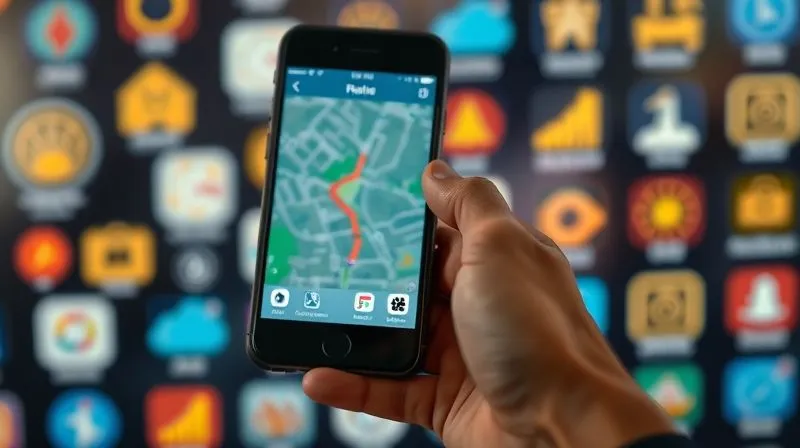
Beyond apps, remember to utilize free Wi-Fi whenever available (cafes, libraries, public hotspots) to conserve data. Keep your phone charged, as it’s your primary tool for navigation, communication, and budgeting.
| Category | App Examples | Benefit for Budget Travel |
|---|---|---|
| Navigation | Google Maps (offline), Maps.me | Avoids data roaming, prevents getting lost |
| Budgeting | Trail Wallet, Splitwise | Strict expense tracking, prevents overspending |
| Communication | WhatsApp, Skype, Google Meet | Free calls/messages over Wi-Fi, saves on international rates |
| Translation | Google Translate, DeepL | Overcomes language barriers, helps with bargaining |
| Transportation | Citymapper, official transit apps | Efficient public transport, real-time updates |
Frequently Asked Questions (FAQ)
What's the absolute minimum I need for emergency travel? The absolute minimum varies wildly by destination and duration, but generally, you need enough for a one-way ticket (or fuel), enough for 1-2 nights of basic accommodation (hostel or shared room), and food for a few days (think groceries, not restaurants). This might be as low as $100-$200 for a very short, local trip, or several hundred for an international one. The key is to cover the bare essentials and rely heavily on free resources and personal connections upon arrival.
Is travel insurance worth it for budget emergency trips? For truly dire emergencies, especially those involving potential medical costs or evacuations, a basic travel insurance policy can be invaluable, even on a budget. However, you must carefully read the fine print. Many budget policies have high deductibles or exclude pre-existing conditions. If your funds are extremely limited, prioritize medical coverage over trip cancellation, as medical emergencies abroad can quickly bankrupt you. Compare policies from reputable providers to ensure they cover emergency medical and evacuation.
How do I handle unexpected expenses when funds are already low? This is where your "contingency buffer" comes into play. If that's exhausted, you'll need to resort to the same resourcefulness you used to plan the trip: look for quick-gig work, contact trusted friends/family for a small loan, or explore options like local food banks or community support if you're truly stranded. Having a backup credit card (even if you don't use it) for emergencies can also provide a crucial safety net. The goal is to avoid deeper debt, so only use credit as a last resort.
What if I don't have time to plan extensively for an emergency trip? In genuine emergencies, extensive planning isn't always possible. Focus on the "big three" immediately: 1) Secure the cheapest possible transportation, 2) Arrange the most basic, affordable accommodation for the first night or two, and 3) Ensure you have some food/water for the journey. Once these critical elements are in place, you can then use your travel time (on a bus or train) to research and refine your plans for subsequent days using your smartphone. Prioritize survival and logistics, then optimize for budget.
Are there grants or aid for emergency travel? Yes, but they are typically highly specific. Some charities offer assistance for medical travel, often for children or specific conditions. Universities might have emergency funds for students. In cases of extreme humanitarian crisis or natural disaster, governments or NGOs might provide repatriation or relocation assistance. For general personal emergencies, however, direct grants for travel are rare. Your best bet is usually personal networks, selling assets, or very short-term loans.
Key Takeaways and Final Thoughts
Navigating an emergency trip with limited funds is undoubtedly one of the most challenging aspects of financial travel planning. It demands a unique blend of strategic thinking, unwavering resourcefulness, and a resilient mindset. As someone who has advised countless individuals through similar predicaments, I can assure you that it is entirely achievable.
- Radical Financial Triage: Uncover every possible resource, no matter how small, to build your "war chest."
- Extreme Flexibility in Transport: Prioritize buses, trains, and alternative airports; cost trumps convenience.
- Creative Accommodation: Embrace hostels, Couchsurfing, or friends/family over traditional hotels.
- Self-Sufficient Eating: Grocery stores and packed meals are your budget's best friends.
- Mindful Spending On-Ground: Focus on free activities and avoid unnecessary purchases.
- Build a Micro-Contingency: A small buffer for the unexpected is invaluable.
- Leverage Technology: Your smartphone is a powerful tool for navigation, budgeting, and communication.
Remember, this isn't about luxury; it's about purpose. Your ability to make emergency budget travel plans with limited funds will not only get you where you need to be but will also instill a profound sense of self-reliance and financial ingenuity. Approach each challenge as an opportunity to learn and grow, and you'll emerge not just at your destination, but stronger and wiser for the journey.
Recommended Reading
- 7 Proven Strategies: Mitigate Advanced Mobile Banking Fraud Risks Now
- Mastering Finance for Rapid Small Business Growth: Your Ultimate Guide
- Global Interest Rates & Inflation: The Untold Story You Must Know
- Safeguard Your Portfolio: 7 Strategies Against Rising Interest Rates
- 7 Proven Tactics to Revive Your Crowdfunding Campaign's Mid-Slump





Comments
Leave a comment below. Your email will not be published. Required fields marked with *