


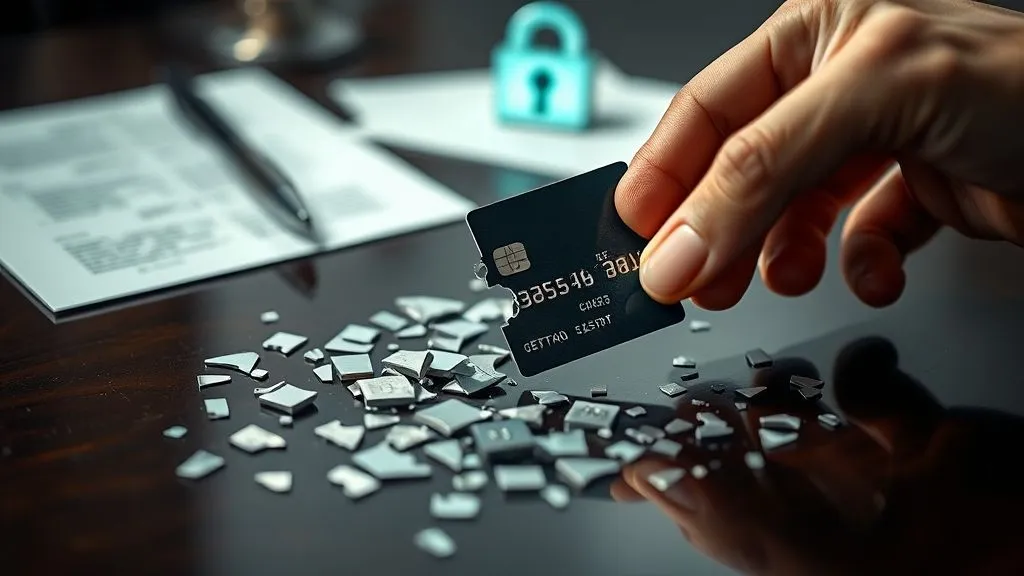
How to Legally Recover Funds After Online Banking Identity Theft?
For over 15 years in the consumer finance and online security space, I've witnessed firsthand the devastating emotional and financial toll that online banking identity theft can inflict. It's not just about the money lost; it's the profound sense of violation, the anxiety, and the daunting task of navigating a complex system to reclaim what's rightfully yours. I've guided countless individuals through these turbulent waters, and my core message remains: recovery is possible, but it demands a strategic, informed, and persistent approach.
The immediate aftermath of discovering unauthorized transactions in your online banking account can feel like a punch to the gut. Panic often sets in, followed by confusion about where to even begin. Many consumers feel helpless, believing their funds are irretrievably lost to sophisticated fraudsters. This feeling of powerlessness is precisely what identity thieves exploit.
But here's the crucial truth: you are not without recourse. This comprehensive guide will illuminate the precise legal pathways and actionable steps you must take to legally recover funds after online banking identity theft. We'll delve into consumer protection laws, outline the critical reporting processes, and equip you with the expert insights needed to advocate effectively for your financial justice.
The Immediate Aftermath: Crucial First Steps to Mitigate Damage
When you discover online banking identity theft, your immediate actions are paramount. The speed and precision with which you respond can significantly impact your ability to recover funds and limit further damage. Think of this as the critical 'golden hour' of financial crisis management.
Act Fast: Notifying Your Bank and Freezing Accounts
The very first thing you must do is contact your bank or financial institution immediately. Every minute counts. Most banks have dedicated fraud departments available 24/7. Have your account numbers and details of the fraudulent transactions ready.
- Call Your Bank's Fraud Department: Use the number on the back of your debit/credit card or your bank's official website. Do NOT use numbers found in suspicious emails or texts.
- Report ALL Unauthorized Transactions: Clearly articulate which transactions are fraudulent. Provide dates, amounts, and any other relevant details.
- Request Immediate Account Freezes/Closures: Ask the bank to freeze or close the compromised account(s) to prevent any further unauthorized activity. If it's a debit card, request a new one immediately.
- Change ALL Passwords: This includes your online banking password, email, and any other accounts linked to your financial information. Use strong, unique passwords or a reputable password manager.
- Follow Up in Writing: Even if you reported by phone, follow up with a written letter (certified mail, return receipt requested) to your bank confirming the fraud report. This creates a documented paper trail, which is crucial for legal recovery.
Document Everything: The Foundation of Your Recovery Case
I cannot stress enough the importance of meticulous documentation. In my experience, the difference between a successful recovery and a prolonged battle often comes down to the quality and completeness of the records kept. This is your evidence binder, your narrative of events, and your proof.

Start a dedicated folder, either physical or digital, to store everything related to the identity theft. This includes:
- Dates and times of all calls made to your bank, credit bureaus, and reporting agencies.
- Names of individuals you spoke with and their titles.
- Reference numbers for fraud reports or disputes.
- Copies of all correspondence (emails, letters) with your bank and other entities.
- Transaction details of all fraudulent activity (screenshots, bank statements).
- Any other relevant information, such as suspicious emails or phishing attempts you received.
Understanding Your Legal Rights: Navigating Consumer Protection Laws
One of the most empowering aspects of recovering from online banking identity theft is understanding the robust consumer protection laws designed to shield you. Many consumers are unaware of these critical safeguards, which can limit your liability and mandate bank action. This knowledge forms the bedrock of your legal recovery strategy.
The Electronic Fund Transfer Act (EFTA) and Regulation E
The Electronic Fund Transfer Act (EFTA) and its implementing regulation, Regulation E, are your primary allies when dealing with unauthorized electronic fund transfers (EFTs), which include most online banking transactions, debit card purchases, and ATM withdrawals. These laws dictate how banks must handle errors and unauthorized transactions.
Crucially, Regulation E sets limits on your liability for unauthorized EFTs, depending on when you report them:
- $0 Liability: If you report the loss or theft of your debit card *before* any unauthorized use occurs.
- $50 Liability: If you report the loss or theft within two business days of learning about it. This is why immediate action is critical.
- $500 Liability: If you report *after* two business days but within 60 calendar days after your bank statement showing the unauthorized transfer was sent.
- Unlimited Liability: If you fail to report an unauthorized transfer within 60 calendar days after the statement showing the transfer was sent. This is a severe consequence, underscoring the need for vigilant account monitoring.
Banks are generally required to investigate claims of unauthorized EFTs promptly and provide provisional credit within 10 business days while the investigation is ongoing. For more detailed information on your rights under EFTA, you can consult resources from the Consumer Financial Protection Bureau (CFPB) or the Federal Reserve.
Credit Card Fraud Laws (Fair Credit Billing Act - FCBA)
While EFTA covers debit and electronic transfers, the Fair Credit Billing Act (FCBA) protects you from unauthorized charges on your credit card. Under FCBA, your maximum liability for unauthorized credit card use is generally limited to $50, regardless of when you report it. However, if your credit card number is used without the physical card (e.g., online purchases), you typically have zero liability if reported promptly.
State-Specific Protections and Reporting Requirements
Beyond federal laws, many states have their own consumer protection statutes that may offer additional safeguards or specific reporting requirements. For instance, some states have laws that further limit liability or provide specific timelines for identity theft victims. It's always wise to check with your State Attorney General's office or consumer protection division to understand any state-specific nuances that might apply to your situation.
Building Your Case: Gathering Evidence and Formal Reporting
Once you've taken immediate steps with your bank, the next phase involves formal reporting to law enforcement and federal agencies. These reports are not just bureaucratic hurdles; they are indispensable components of your legal recovery strategy, lending official weight to your claims and providing essential documentation.
Filing a Police Report: A Non-Negotiable Step
Many consumers mistakenly believe that filing a police report is unnecessary if their bank is already investigating. I've seen this oversight complicate recovery efforts. A police report serves several critical functions:
- Official Documentation of a Crime: It officially recognizes that a crime has occurred, which can be crucial for banks, creditors, and even insurance claims.
- Proof for Creditors: When dealing with credit bureaus or other creditors who might be impacted by the theft, a police report adds significant weight to your claims of fraud.
- Facilitates Bank Investigations: Some banks may require a police report, especially for larger sums or complex cases, before fully processing your fraud claim.
- Potential for Criminal Investigation: While local police might have limited resources for online fraud, your report contributes to a larger database that could eventually lead to identifying and prosecuting perpetrators.
Visit your local police department (or their online portal, if available) and file a report. Obtain a copy of the report and the report number for your records.
Reporting to the FTC: The IdentityTheft.gov Platform
The Federal Trade Commission's (FTC) IdentityTheft.gov website is an invaluable resource and a mandatory reporting step. This platform streamlines the reporting process and generates a personalized recovery plan tailored to your specific situation.
When you report identity theft to the FTC, you'll receive:
- An official Identity Theft Report, which can be used as evidence with banks and creditors.
- A customized recovery plan detailing specific steps you need to take, including sample letters to send to businesses.
This report is often considered a critical piece of evidence by financial institutions and can help you dispute fraudulent transactions and remove erroneous information from your credit report.
Securing a Credit Report and Placing Fraud Alerts
Identity theft rarely confines itself to a single bank account. It's imperative to check your credit reports for any signs of new fraudulent accounts or unauthorized inquiries. This is where your vigilance becomes a powerful defense mechanism.
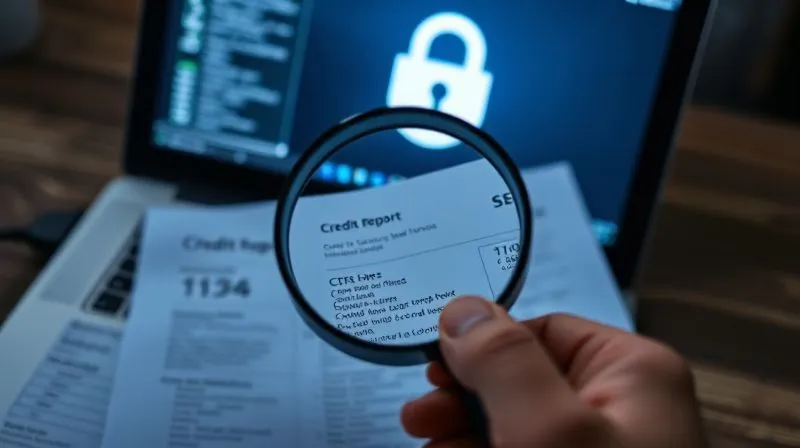
You are entitled to a free copy of your credit report from each of the three major credit bureaus (Equifax, Experian, and TransUnion) once every 12 months via AnnualCreditReport.com. Order yours immediately and scrutinize every entry.
Additionally, place a fraud alert on your credit reports. This alerts lenders that you may be a victim of identity theft and encourages them to take extra steps to verify your identity before extending credit. An initial fraud alert lasts for one year. You can also consider a credit freeze, which offers stronger protection by preventing anyone from accessing your credit report to open new accounts.
The Bank's Investigation Process: What to Expect and How to Advocate
After you've reported the fraud and gathered your initial documentation, your bank will commence its investigation. This period can feel like a waiting game, but understanding the process and knowing how to advocate for yourself is key to a successful outcome.
Timelines and Communication: Staying Proactive
Under Regulation E, banks generally have 10 business days to investigate an unauthorized electronic fund transfer. During this time, they are typically required to provide provisional credit to your account for the disputed amount. This means the funds are temporarily returned to you while the investigation proceeds.
The bank then has up to 45 calendar days (or 90 days for new accounts or foreign-initiated transactions) to complete their investigation. If they need more time, they must extend the provisional credit. Throughout this period, maintain regular communication with your bank, but always keep a record of these interactions. Ask for updates, and if you don't hear back, follow up proactively.
Disputing Unauthorized Transactions Effectively
When disputing transactions, clarity and evidence are your best tools. Don't just state 'this isn't mine'; provide context and proof.
- Provide Specifics: For each disputed transaction, state the date, amount, and explicitly confirm it was unauthorized.
- Reference Your Reports: Inform the bank that you have filed a police report and an FTC Identity Theft Report, providing them with the report numbers.
- Submit Supporting Documentation: Include any screenshots of fraudulent activity, suspicious emails, or other evidence you've collected.
- Be Persistent: If you feel your claim isn't being handled appropriately, don't hesitate to escalate the matter within the bank's hierarchy, speaking to supervisors or managers.
To help you track your dispute, consider a checklist like this:
| Action Item | Date Completed | Reference # | Notes |
|---|---|---|---|
| Contact Bank Fraud Dept. | MM/DD/YYYY | ||
| Follow-up Letter to Bank | MM/DD/YYYY | ||
| File Police Report | MM/DD/YYYY | ||
| File FTC Report | MM/DD/YYYY | ||
| Check Credit Reports | MM/DD/YYYY | ||
| Place Fraud Alert | MM/DD/YYYY |
When Your Claim is Denied: Next Steps
While frustrating, a denied claim is not necessarily the end of the road. In my experience, sometimes denials are due to insufficient information, missed deadlines, or a bank's initial assessment. Here's how to proceed:
- Request the Reason for Denial: Demand a clear, written explanation from your bank for the denial. Understand their reasoning.
- Submit Additional Evidence: If you have new information or evidence that wasn't initially provided, submit it as part of an appeal.
- Escalate Internally: Speak to higher-level managers or the bank's ombudsman office.
- File a Complaint with the CFPB: The Consumer Financial Protection Bureau (CFPB) is a federal agency that protects consumers in the financial marketplace. Filing a complaint with the CFPB can prompt your bank to re-evaluate your case.
Beyond the Bank: Legal Recourse and Consumer Advocacy
If your bank's internal processes fail to resolve your issue satisfactorily, there are still powerful avenues for legal recourse and consumer advocacy. It's about knowing when and how to leverage these external bodies.
Engaging Consumer Protection Agencies
As mentioned, the CFPB is a formidable ally. They handle complaints about financial products and services, including those related to bank accounts and identity theft. When you file a complaint, the CFPB forwards it to the company and works to get a response, often leading to a resolution.
Additionally, your State Attorney General's office or local consumer protection agencies can offer assistance. They often have mediation services or can provide guidance on state-specific laws that might apply to your case. These agencies act as watchdogs, ensuring businesses comply with consumer protection regulations.
Seeking Legal Counsel: When to Consider an Attorney
For most cases of online banking identity theft, following the steps outlined above will be sufficient. However, there are instances where engaging legal counsel becomes a prudent, if not necessary, step. Consider an attorney if:
- Your bank refuses to acknowledge your claim despite clear evidence.
- The amount of funds lost is substantial, and the bank's denial would cause significant financial hardship.
- You believe your bank violated specific consumer protection laws (e.g., EFTA's provisional credit requirements).
- You are facing complex legal challenges, such as multiple fraudulent accounts or cross-border theft.
Many attorneys specializing in consumer law offer free initial consultations and may work on a contingency basis, meaning they only get paid if they win your case. This can alleviate the financial burden of pursuing legal action.
Case Study: Sarah's Fight for Financial Justice
Case Study: How Sarah Recovered $12,000 After a Phishing Attack
Sarah, a small business owner, fell victim to a sophisticated phishing scam that led to her online banking credentials being compromised. Within hours, $12,000 was transferred from her business checking account to an unknown offshore account. Devastated, Sarah immediately contacted her bank, but after a 45-day investigation, her claim was initially denied. The bank argued that the transaction originated from her authenticated device, implying negligence.
Refusing to accept the denial, Sarah meticulously documented her case. She had filed a police report, an FTC Identity Theft Report, and kept a detailed log of all communication with her bank. Crucially, she also had screenshots of the phishing email and an expert analysis showing it bypassed her email provider's security filters. Sarah then filed a detailed complaint with the CFPB, attaching all her evidence and citing specific sections of Regulation E regarding unauthorized transfers and the bank's obligation to protect customer accounts.
The CFPB's intervention prompted the bank to re-open her case. Faced with Sarah's comprehensive documentation and the regulatory oversight, the bank conducted a more thorough review. They eventually reversed their decision, acknowledging that while the initial access was from Sarah's device, the fraudulent transfer itself was not authorized by her and occurred due to a sophisticated scheme that circumvented reasonable security expectations. Sarah's full $12,000 was returned, along with interest for the period it was held.
Sarah's case powerfully illustrates that persistence, meticulous documentation, and leveraging consumer protection agencies are vital when facing initial bank denials. Your fight for financial justice is often won through diligent advocacy.
Proactive Measures: Fortifying Your Online Banking Security
While this article focuses on recovery, prevention is always the best defense. As an industry specialist, I constantly emphasize that consumers have a significant role to play in fortifying their online banking security. Many of the legal battles for recovery could be avoided with robust, proactive measures.
Multi-Factor Authentication (MFA): Your First Line of Defense
If your bank offers Multi-Factor Authentication (MFA), enable it immediately. MFA adds an extra layer of security beyond just a password, typically requiring a code sent to your phone or a biometric scan. Even if a fraudster steals your password, they won't be able to access your account without this second factor. It's an incredibly effective deterrent against unauthorized access.
Strong, Unique Passwords and Password Managers
Using weak, easily guessable passwords or reusing the same password across multiple sites is an open invitation for identity theft. Create strong, complex passwords (a mix of upper/lower case letters, numbers, and symbols) that are unique for each of your online banking accounts. Consider using a reputable password manager, which can generate and securely store these complex passwords for you.
Vigilant Monitoring of Your Accounts and Credit
Regularly reviewing your bank statements and credit reports is not just good practice; it's a critical early warning system against identity theft. Many victims discover fraud only when they spot an unfamiliar transaction. Make it a habit to:
- Check Bank Statements Daily/Weekly: Log into your online banking frequently to review recent transactions.
- Set Up Account Alerts: Most banks offer alerts for large transactions, login attempts from new devices, or changes to your personal information. Enable these.
- Monitor Credit Reports: Utilize free credit monitoring services or regularly pull your reports from AnnualCreditReport.com.
Understanding Phishing and Social Engineering Tactics
Phishing remains one of the most common methods for online banking identity theft. Fraudsters send deceptive emails or texts designed to trick you into revealing your login credentials or other sensitive information. Educate yourself on the red flags:
- Suspicious Sender: Does the email address look legitimate?
- Urgent or Threatening Language: Phishing emails often create a sense of urgency or threat to bypass your critical thinking.
- Generic Greetings: Instead of using your name, they might say 'Dear Customer'.
- Links to Unknown Websites: Hover over links to see the actual URL before clicking.
- Grammatical Errors: Many phishing attempts contain noticeable typos or poor grammar.
Social engineering goes beyond email, using phone calls or other tactics to manipulate you into divulging information. Always verify requests for sensitive information directly with the known institution using official contact numbers.
Here's a quick reference for common phishing red flags:
| Red Flag | Description |
|---|---|
| Urgent or Threatening Tone | Demands immediate action, threatens account closure or legal action. |
| Generic Salutation | 'Dear Valued Customer' instead of your name. |
| Suspicious Links/Attachments | Hover over links to check URL; avoid unexpected attachments. |
| Grammatical Errors/Typos | Often a sign of non-professional, fraudulent communication. |
| Requests for Sensitive Info | Legitimate banks rarely ask for passwords or PINs via email/text. |
| Sender's Email Mismatch | Email address doesn't match the official company domain. |
| Unusual Sender | Email from a company you don't have an account with. |
Frequently Asked Questions (FAQ)
Question: How long does it typically take to recover funds after online banking identity theft? The timeline can vary significantly. Under Regulation E, banks must generally provide provisional credit within 10 business days and complete their investigation within 45 (or 90) calendar days. However, complex cases, appeals, or involving multiple institutions can extend this process for several months. Your diligence in documentation and follow-up can help expedite it.
Question: What if the identity thief opened new accounts in my name? If new accounts were opened, you need to contact each specific financial institution where the fraudulent accounts were established. Provide them with your police report and FTC Identity Theft Report. Additionally, place a credit freeze on your credit reports with all three major bureaus to prevent further unauthorized account openings. You'll also need to dispute these entries with the credit bureaus directly.
Question: Can I be held liable if I shared my password inadvertently? This is a complex area. Generally, if you voluntarily provide your password, even under duress or deception (e.g., a sophisticated phishing scam), some banks might argue you authorized the transaction, limiting your protection under EFTA. However, if you were genuinely tricked and did not intend to authorize the specific fraudulent transaction, you still have a strong case. This is where the specifics of the fraud, your immediate reporting, and the bank's security protocols come under scrutiny. Legal counsel may be beneficial in such nuanced situations.
Question: Should I close my bank account entirely after identity theft? It's highly recommended to close the compromised account(s) and open new ones. This ensures that any lingering access points for the fraudsters are completely severed. Make sure to update any legitimate automatic payments or direct deposits to your new account numbers. Simply changing passwords might not be enough if the account number itself has been compromised.
Question: What role does my homeowner's or renter's insurance play in identity theft recovery? Some homeowner's or renter's insurance policies, or specific identity theft insurance riders, offer coverage for identity theft recovery expenses. This typically covers costs like legal fees, lost wages due to recovery efforts, notary fees, and postage, rather than directly reimbursing lost funds. Review your policy or speak with your insurance provider to understand what, if any, coverage you have.
Key Takeaways and Final Thoughts
Navigating the aftermath of online banking identity theft can be a daunting journey, but it is not a hopeless one. As an experienced industry specialist, I've seen that with the right knowledge and a proactive approach, individuals can and do successfully recover their stolen funds and restore their financial security.
- Act Immediately: Your swift response in notifying your bank and freezing accounts is the most critical factor.
- Document Everything: Maintain meticulous records of all communications, reports, and evidence.
- Know Your Rights: Leverage consumer protection laws like EFTA and FCBA to understand your legal standing.
- Report Formally: File police reports and FTC Identity Theft Reports to establish official documentation.
- Advocate Persistently: Don't accept initial denials; escalate your case with banks and consumer protection agencies if necessary.
- Fortify Your Defenses: Implement strong proactive measures like MFA, unique passwords, and vigilant monitoring to prevent future incidents.
Remember, you are not alone in this fight. The systems and laws are in place to protect you. By empowering yourself with knowledge and taking decisive action, you can reclaim your financial peace of mind. Stay vigilant, stay informed, and never hesitate to seek expert guidance when you need it most.

Recommended Reading
- Ultimate Guide: Tax Deductions for the Self-Employed
- The Hidden Costs: What Happens If You Cancel Your Life Insurance Policy Early?
- Avoid 5 Costly Payroll Tax Penalties: Small Business Guide
- 7 Steps: How to Protect Business Assets During Personal Debt Crisis?
- 7 Steps to Verify Ethical Fund Claims: Unmasking True Social Impact





Comments
Leave a comment below. Your email will not be published. Required fields marked with *