



How to Hedge Bitcoin Portfolio Risk During Market Downturns?
For over 15 years in the digital currency space, I've witnessed the exhilarating highs and the gut-wrenching lows of the crypto market. I've seen countless investors, both seasoned and novice, make the mistake of riding the waves without a lifeboat, only to find their portfolios decimated when the inevitable market downturns hit.
The fear and uncertainty that grip investors during a Bitcoin bear market are palpable. The constant stream of negative news, the plummeting prices, and the gnawing doubt about the future of your investments can be incredibly stressful, often leading to panic selling and significant financial losses. Many enter the crypto space with a 'HODL' mentality, which is admirable, but pure HODLing without any risk management in place can be a perilous strategy.
This article isn't about predicting the next bull run or market crash; it's about empowerment. I'm going to share with you a comprehensive framework of actionable strategies, backed by real-world insights and my extensive experience, on how to hedge Bitcoin portfolio risk during market downturns. You'll learn not just what to do, but *why* and *how* to implement these techniques to safeguard your digital assets.
Understanding Bitcoin's Volatility: A Prerequisite for Hedging
Before we dive into specific hedging strategies, it's crucial to acknowledge and understand the inherent volatility of Bitcoin. Unlike traditional assets, Bitcoin operates in a relatively nascent, 24/7 global market, often driven by sentiment, macroeconomic factors, regulatory news, and technological developments. This leads to price swings that can be far more dramatic than those seen in conventional markets.
The Nature of Crypto Markets
The decentralized nature of Bitcoin means there are no circuit breakers or central authorities to halt trading during extreme price movements. While this offers unparalleled freedom, it also amplifies risk, particularly for those unprepared for rapid corrections. Understanding this fundamental characteristic is the first step toward effective risk management.
"In the world of Bitcoin, volatility isn't a bug; it's a feature. But it's a feature that demands respect and strategic planning, not just hope."
My experience has taught me that embracing this volatility, rather than fearing it, is key. It allows you to approach the market with a clear head, making rational decisions about how to hedge Bitcoin portfolio risk during market downturns, rather than being swayed by emotion.
Strategy 1: Diversification Beyond Bitcoin and Traditional Assets
When people talk about diversification in crypto, they often think of buying other altcoins. While that's a start, true diversification for hedging Bitcoin risk goes much deeper. It involves spreading your investments across different asset classes, not just different cryptocurrencies, to reduce overall portfolio correlation.
The Importance of a Multi-Asset Approach
A truly robust hedging strategy involves looking beyond the crypto ecosystem. This means considering allocations to stablecoins (which we'll discuss next), but also traditional assets like gold, real estate, or even bonds, depending on your overall financial picture. While not directly hedging Bitcoin, these can act as ballast for your *total* portfolio, reducing the impact of a crypto-specific downturn.
- Reduced Correlation: Different asset classes often react differently to market conditions, evening out overall portfolio performance.
- Capital Preservation: Less volatile assets can help preserve capital during crypto bear markets.
- Psychological Comfort: Knowing you have a diversified portfolio can reduce stress during market turbulence.
- Rebalancing Opportunities: Allows you to sell high-performing assets to buy underperforming ones, like Bitcoin during a dip.
According to a study published on Harvard Business Review, diversification remains a cornerstone of sound investment strategy, even in modern, interconnected markets. This principle is even more critical in the volatile crypto space. I've often advised clients to think of their entire financial landscape, not just their crypto holdings, when considering risk.
Strategy 2: Implementing Stablecoin Hedging
One of the most straightforward and effective ways to hedge Bitcoin portfolio risk during market downturns is to convert a portion of your Bitcoin into stablecoins. Stablecoins are cryptocurrencies designed to maintain a stable value, usually pegged 1:1 with a fiat currency like the US dollar.
Converting to Stablecoins During Uncertainty
When I sense a significant market correction or bear market looming, or if my portfolio has hit a profit target, I often advise taking some chips off the table by converting a percentage of Bitcoin into stablecoins like USDT, USDC, or DAI. This effectively 'locks in' your value in a less volatile asset, protecting it from further Bitcoin price depreciation.
Here's how to implement this strategy:
- Define Your Risk Tolerance: Determine what percentage of your Bitcoin you're comfortable converting. This might be 20%, 50%, or even more, depending on market conditions and your conviction.
- Identify Triggers: Set clear conditions for when you'll convert. This could be a specific technical indicator (e.g., Bitcoin breaking a key support level), a macroeconomic event, or a profit-taking target.
- Execute the Swap: Use a reputable exchange or decentralized finance (DeFi) platform to swap your Bitcoin for your chosen stablecoin.
- Re-evaluate Periodically: As market conditions change, reassess your stablecoin allocation. When you believe the market has bottomed or a new uptrend is forming, you can convert back into Bitcoin.
Case Study: How Sarah Weathered the Crypto Storm with Stablecoins
Sarah, a client of mine, had accumulated a significant Bitcoin position during the 2021 bull run. As the market started showing signs of weakness in late 2021, I advised her to convert 40% of her Bitcoin into USDC when Bitcoin was trading around $48,000. While Bitcoin subsequently dropped to lows of $16,000, Sarah's stablecoin allocation preserved a substantial portion of her portfolio's value. When the market showed signs of recovery in 2023, she slowly converted her USDC back into Bitcoin at much lower prices, effectively increasing her Bitcoin holdings without injecting new capital. This strategy allowed her to mitigate losses and capitalize on the eventual rebound.
| Stablecoin | Peg | Blockchain Support | Key Feature |
|---|---|---|---|
| USDT (Tether) | USD | Multi-chain | Largest by market cap |
| USDC (USD Coin) | USD | Multi-chain | Regulated, transparent reserves |
| DAI (Dai) | USD | Ethereum | Decentralized, collateral-backed |
While stablecoins offer stability, it's important to choose reputable ones with transparent audits and strong backing to avoid potential de-pegging risks. This is a simple, yet powerful way on how to hedge Bitcoin portfolio risk during market downturns.
Strategy 3: Utilizing Derivatives – Futures and Options
For more experienced investors, derivatives markets offer sophisticated tools to hedge Bitcoin portfolio risk. These include futures contracts and options, which allow you to bet on the future price movement of Bitcoin without owning the underlying asset directly.
Short Selling with Futures
A Bitcoin futures contract is an agreement to buy or sell Bitcoin at a predetermined price on a specific future date. If you believe Bitcoin's price will fall, you can 'short' a futures contract. This means you sell a futures contract now, expecting to buy it back later at a lower price, thereby profiting from the decline. The profit from your short position can offset losses in your spot Bitcoin holdings.
- Mechanism: Sell a futures contract now, buy it back later at a lower price.
- Offsetting Losses: Profits from the short position can mitigate losses in your physical Bitcoin.
- Leverage: Futures often involve leverage, amplifying both potential gains and losses.
Bitcoin Options for Downside Protection
Options contracts give you the *right*, but not the obligation, to buy or sell Bitcoin at a specific price (the 'strike price') on or before a certain date. For hedging purposes, 'put options' are particularly useful. A put option gives you the right to *sell* Bitcoin at a predetermined strike price.
If you own Bitcoin, you can buy a put option with a strike price slightly below the current market price. If Bitcoin falls below that strike price, your put option gains value, offsetting the loss in your spot Bitcoin. It's like paying an insurance premium to protect your assets.
"Derivatives are powerful instruments, but they are a double-edged sword. Understand their mechanics, manage your leverage, and never risk more than you can afford to lose. They are not for the faint of heart or the uneducated."
The Chicago Mercantile Exchange (CME) offers regulated Bitcoin futures and options, providing a robust platform for institutional and sophisticated retail investors. You can learn more about their offerings on their official site: CME Group Bitcoin Derivatives. While effective, these strategies require a deeper understanding of financial markets and carry significant risks.
Strategy 4: Dollar-Cost Averaging (DCA) and Dollar-Cost Averaging Out (DCAO)
While often associated with accumulation, disciplined dollar-cost averaging (DCA) and its lesser-known counterpart, dollar-cost averaging out (DCAO), are invaluable strategies for managing risk during volatile periods.
DCA in Bear Markets
Many investors stop buying when prices fall, succumbing to fear. However, a bear market can present incredible opportunities for long-term investors. By continuing to DCA – investing a fixed amount of money at regular intervals, regardless of price – you reduce your average cost basis over time. When the market eventually recovers, your overall returns can be significantly enhanced.
- Reduces Emotional Investing: Automates purchases, removing the temptation to time the market.
- Lower Average Cost: Buying during dips lowers your overall cost per Bitcoin.
- Long-Term Growth: Positions you for significant gains during the next bull cycle.
DCAO for Risk Reduction
Dollar-Cost Averaging Out (DCAO) is the inverse. Instead of trying to perfectly time the top, you systematically sell a small, fixed amount of your Bitcoin at regular intervals as the market rallies during a bear market. This allows you to take profits, reduce your exposure, and convert some of your gains into stablecoins or fiat, effectively hedging against a sudden reversal.
- Set a Schedule: Decide on a fixed amount of Bitcoin to sell (e.g., 0.1 BTC) every week or month.
- Determine Duration: Define how long you'll continue this strategy or what price points will trigger cessation.
- Automate if Possible: Some platforms allow automated selling, similar to DCA buys.
- Reinvest or Secure: Decide whether to hold the proceeds in stablecoins, fiat, or reinvest in other assets.
Both DCA and DCAO instill discipline, making them excellent tools on how to hedge Bitcoin portfolio risk during market downturns by managing exposure and taking profits systematically.
Strategy 5: Exploring Inverse Bitcoin ETFs and Funds
A relatively newer, but increasingly accessible, method for hedging Bitcoin exposure is through inverse Bitcoin Exchange Traded Funds (ETFs) or similar investment products. These funds are designed to move in the opposite direction of Bitcoin's price.
A Newer Tool in the Hedging Arsenal
When you invest in an inverse Bitcoin ETF, you are essentially betting against Bitcoin's price. If Bitcoin falls by 10%, a 1x inverse ETF would aim to rise by approximately 10% (before fees and tracking errors). This provides a convenient way to gain short exposure to Bitcoin without dealing with the complexities of futures contracts or short selling directly on crypto exchanges.
- Simplicity: Easier to access than direct derivatives for many investors.
- Regulated: Often offered by traditional financial institutions, bringing a layer of regulatory oversight.
- Diversification: Can be held within traditional brokerage accounts alongside other assets.
These products are becoming more common in regulated markets, offering a valuable tool for how to hedge Bitcoin portfolio risk during market downturns, especially for those who prefer to keep their crypto exposure within a traditional investment framework. However, it's crucial to understand their fee structures and tracking accuracy. For more information on newly approved crypto investment products, resources like CoinDesk's ETF section can be highly informative.
Advanced Risk Management: Portfolio Rebalancing and Stop-Loss Orders
Beyond specific hedging instruments, continuous portfolio management is a critical aspect of mitigating risk.
Dynamic Portfolio Rebalancing
Rebalancing involves periodically adjusting your portfolio's asset allocation back to your original target percentages. For example, if your target is 50% Bitcoin and 50% stablecoins, and Bitcoin's price drops significantly, your Bitcoin percentage will decrease. Rebalancing would involve selling some stablecoins to buy more Bitcoin, bringing your allocation back to 50/50. Conversely, if Bitcoin surges, you'd sell some Bitcoin to buy stablecoins.
- Maintains Desired Risk Profile: Ensures your portfolio doesn't drift into an overly risky or conservative allocation.
- Forces Discipline: Encourages buying low and selling high (relative to your targets).
Strategic Stop-Loss Orders
A stop-loss order is an instruction to automatically sell your Bitcoin if its price falls to a predetermined level. This is a fundamental risk management tool that limits potential losses. While easy to set, the challenge lies in choosing the right stop-loss level – too tight, and you might get 'wicked out' by minor volatility; too wide, and it might not provide adequate protection.
"Never underestimate the power of a well-placed stop-loss. It's your automatic parachute, designed to save you from freefall when your emotions might otherwise prevent you from acting."
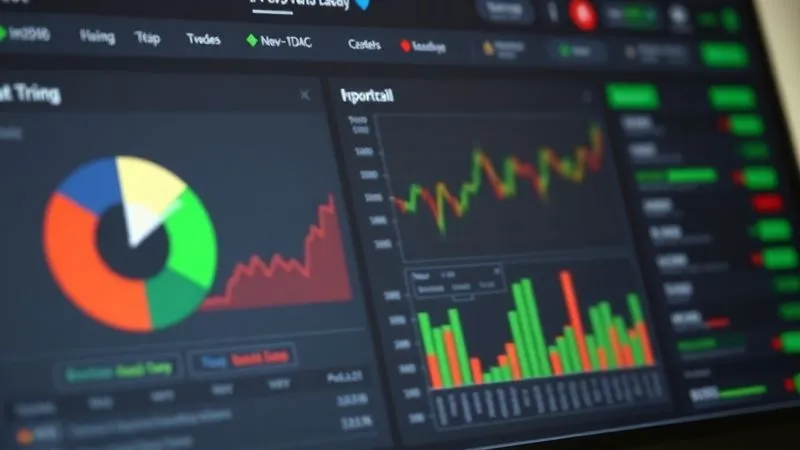
My advice is to use stop-loss orders in conjunction with technical analysis, placing them below key support levels or previous swing lows. Always review and adjust them as market conditions evolve. This proactive approach is a cornerstone of how to hedge Bitcoin portfolio risk during market downturns.
The Psychological Aspect of Bear Markets
While strategies are crucial, I've learned that the biggest battle during a market downturn is often fought in the mind. The 'Fear, Uncertainty, and Doubt' (FUD) that permeates crypto bear markets can lead to irrational decisions, often causing more harm than the market itself.
It's during these times that true conviction in Bitcoin's long-term value is tested. I've seen countless investors abandon their well-thought-out plans because of panic. Remember, every major asset class, from stocks to real estate, experiences cycles. Bitcoin is no exception. Maintain a long-term perspective, stick to your hedging plan, and avoid checking your portfolio constantly if it causes undue stress.
"Emotional investing is almost always bad investing. Have a plan, stick to the plan, and remove emotion from your decision-making process, especially when the market is screaming otherwise."
Educate yourself, trust your research, and rely on the strategies we've discussed. This mental fortitude is as important as any financial tool when learning how to hedge Bitcoin portfolio risk during market downturns.
Frequently Asked Questions (FAQ)
Is hedging necessary for long-term Bitcoin holders? While long-term holders ('HODLers') often aim to ride out volatility, hedging can still be beneficial. It allows you to protect a portion of your capital, reduce stress, and even increase your Bitcoin stack by re-entering at lower prices. It's about smart risk management, not necessarily abandoning your long-term vision.
What's the biggest mistake people make when trying to hedge Bitcoin risk? The most common mistake is trying to perfectly time the market – both the top to hedge and the bottom to un-hedge. This leads to paralysis or emotional, untimely trades. Instead, focus on systematic, rule-based strategies like DCAO or setting clear triggers for stablecoin conversions.
Can I lose money while hedging my Bitcoin portfolio? Yes, hedging isn't without its own risks and costs. Derivatives can lead to losses if the market moves against your hedge, and stablecoins carry their own (albeit lower) risks of de-pegging. Also, there are transaction fees associated with any hedging strategy. The goal is to mitigate *overall* portfolio risk, not eliminate it entirely.
How do I choose the right hedging strategy for my portfolio? The best strategy depends on your risk tolerance, investment size, level of expertise, and market outlook. Beginners might start with stablecoin conversions and DCAO, while advanced investors might explore derivatives. Always start with what you understand and gradually incorporate more complex tools as your knowledge grows.
What are the tax implications of hedging Bitcoin? Tax implications vary significantly by jurisdiction. Converting Bitcoin to stablecoins, engaging in futures or options trading, or selling Bitcoin as part of a DCAO strategy can all trigger taxable events. It's crucial to consult with a qualified tax professional who specializes in digital assets to understand your specific obligations.
Key Takeaways and Final Thoughts
Navigating Bitcoin's volatile landscape, especially during market downturns, requires a blend of strategic planning, disciplined execution, and emotional resilience. As an industry veteran, I've seen that those who succeed are not necessarily the ones who predict the future, but those who are best prepared for any eventuality.
- Understand Volatility: Accept that Bitcoin is inherently volatile and plan accordingly.
- Diversify Wisely: Look beyond just other cryptocurrencies; consider stablecoins and traditional assets.
- Utilize Stablecoins: Convert a portion of your Bitcoin to stablecoins to lock in value during bear markets.
- Explore Derivatives: For experienced investors, futures and options offer powerful hedging capabilities.
- Practice DCA/DCAO: Implement systematic buying and selling to manage risk and capitalize on price swings.
- Rebalance & Set Stop-Losses: Maintain your desired risk profile and protect against catastrophic losses.
- Master Your Psychology: Emotional control is paramount during periods of high market stress.
By implementing these proven strategies, you're not just reacting to the market; you're actively shaping your financial future. Learning how to hedge Bitcoin portfolio risk during market downturns is not just about protecting your capital; it's about building a more resilient, robust, and ultimately more successful investment journey. Stay informed, stay disciplined, and always invest with a clear head.
Recommended Reading
- Student Loans Crushing Your Career? 7 Strategies to Break Free
- Navigating Wealth Transfer: Aligning Family Values for Lasting Legacy
- Mastering Finance for Rapid Small Business Growth: Your Ultimate Guide
- 7 Proven Strategies: Fix Stagnant Net Worth Despite Rising Income
- Remote Payroll: 7 Critical Steps for New State Tax Laws




Comments
Leave a comment below. Your email will not be published. Required fields marked with *