



How to Fund a Multi-Week International Trip on a Middle-Class Salary?
For over two decades in the finance and travel sectors, I've had the privilege of witnessing countless individuals transform their travel dreams into tangible realities. What consistently emerges from these success stories isn't a secret inheritance or a lottery win, but rather a strategic, disciplined approach to personal finance. The idea that multi-week international travel is exclusive to the wealthy is a pervasive myth I've dedicated my career to debunking.
The core problem, as I’ve observed, isn't a lack of desire, but a perceived insurmountable financial barrier. Many middle-class earners feel trapped between daily expenses, family responsibilities, and the seemingly exorbitant cost of extended international travel. They envision complex itineraries and luxurious accommodations, overlooking the fundamental principles of smart budgeting and creative funding that can make any trip accessible.
This article isn't just about saving money; it’s about providing you with a definitive, actionable framework to fund a multi-week international trip on a middle-class salary. We'll delve into expert-backed strategies, real-world examples, and step-by-step guides to help you systematically save, earn, and optimize your way to that dream adventure. Prepare to shift your perspective and unlock your potential for global exploration.
The Mindset Shift: From 'Can't Afford It' to 'How Can I Afford It?'
Before any budget spreadsheet is opened or a flight search begins, the most crucial step is a fundamental shift in mindset. I've seen this transformation countless times: once you truly believe a goal is achievable, your brain starts actively seeking solutions rather than dwelling on obstacles. This isn't just positive thinking; it's a cognitive reframing that empowers proactive financial decisions.
“The journey of a thousand miles begins with a single step, but the journey to fund it begins with a single thought: 'I will find a way.'”
Understanding Your Current Financial Landscape
To know where you're going, you must first know where you stand. This involves a brutally honest assessment of your current financial situation, a step often skipped due to discomfort but absolutely critical for success.
- Income Sources: Detail all your net income streams – salary, bonuses, side gigs, investments.
- Fixed Expenses: List every non-negotiable monthly cost: rent/mortgage, loan payments, insurance premiums, essential utilities.
- Variable Expenses: Track every discretionary dollar spent on dining out, entertainment, shopping, subscriptions. This is where most of your savings potential lies.
- Debts: Understand your outstanding debts (credit cards, personal loans) and their interest rates. High-interest debt can severely hamper savings efforts.
Many find a visual representation incredibly helpful. Below is a simplified template for mapping out your monthly finances:
| Category | Amount |
|---|---|
| Net Monthly Income | $X,XXX |
| Fixed Expenses | -$Y,YYY |
| Variable Expenses (Avg.) | -$Z,ZZZ |
| Debt Payments (Minimum) | -$A,AAA |
| Available for Savings/Debt Reduction | $B,BBB |
Phase 1: Aggressive Savings & Income Generation
This phase is about creating maximum financial momentum before your trip. It requires discipline, but the reward of seeing your travel fund grow is incredibly motivating.
1. The 'Travel First' Budgeting Approach
Forget saving what's left over; allocate money for your trip right at the start of your pay cycle. This is a powerful psychological and practical shift.
- Determine Your Target: Based on your desired trip duration and destinations, research realistic costs. Websites like Numbeo or BudgetYourTrip can provide good estimates.
- Set a Savings Goal: Divide your total trip cost by the number of months until you want to depart. This gives you a clear monthly savings target.
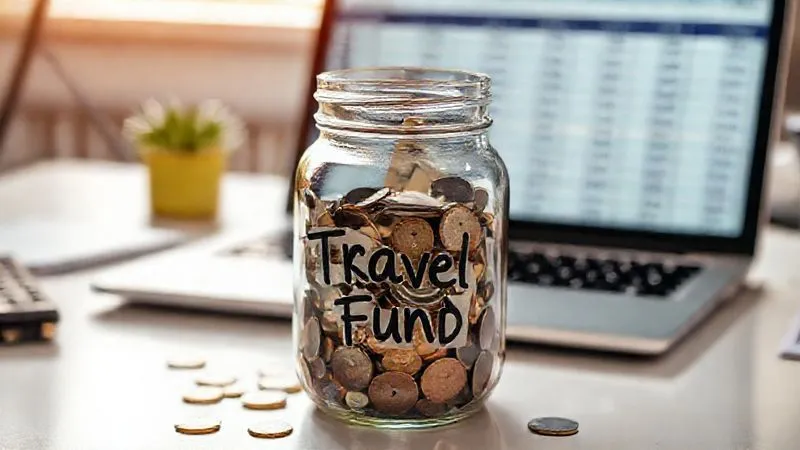
- Automate Your Savings: Set up an automatic transfer from your checking to a dedicated 'Travel Fund' savings account the day after you get paid. Even if it's a smaller amount initially, consistency is key.
This systematic approach ensures your travel fund grows steadily, making the dream of how to fund a multi-week international trip on a middle-class salary a tangible reality. Visualizing this growth can be incredibly motivating.
2. Strategic Expense Reduction: Cutting the Fat
Every dollar saved is a dollar earned for your trip. This isn't about deprivation, but about intentional spending aligned with your travel goal.
- Housing: Can you temporarily downsize, get a roommate, or even rent out a spare room on Airbnb? Even small changes can free up significant funds.
- Transportation: Explore public transport, cycling, or carpooling instead of driving. Re-evaluate car insurance plans.
- Food: This is often the biggest discretionary expense. Cook at home, pack lunches, reduce restaurant visits, and plan your grocery shopping to minimize waste.
- Entertainment & Subscriptions: Audit your streaming services, gym memberships, and other recurring entertainment costs. Cancel what you don't actively use.
- Shopping: Implement a 'no-buy' challenge for a month or two, focusing only on essentials.
3. Boosting Your Income: Side Hustles & Skill Monetization
Saving alone might not be enough for a multi-week adventure, especially if your timeline is aggressive. Generating additional income can accelerate your travel fund significantly.
- Freelancing: Leverage your professional skills (writing, graphic design, programming, marketing) on platforms like Upwork or Fiverr.
- Gig Economy: Drive for rideshare apps, deliver food, or offer local services (pet sitting, tutoring).
- Sell Unused Items: Declutter your home and sell clothes, electronics, furniture, or collectibles on platforms like eBay, Facebook Marketplace, or local consignment shops.
- Consulting: If you have specialized expertise, offer consulting services in your field on an hourly basis.
As Forbes Advisor highlights, the gig economy offers a flexible path to supplementing your income without requiring a full-time commitment. Even an extra $200-$500 per month can make a substantial difference over a year.
Phase 2: Smart Money Management for Travel
Once you've built a solid savings foundation, it's time to make your money work harder for your trip.
4. Leveraging Travel Hacking & Rewards Programs
This is where strategic use of credit cards and loyalty programs comes into play, but only if you are disciplined with credit and pay off your balances in full every month.
- Travel Credit Cards: Sign up for cards with generous sign-up bonuses (e.g., 50,000+ miles/points) that can be redeemed for flights or hotels. Be mindful of annual fees and ensure you meet spending requirements responsibly.
- Airline Loyalty Programs: Stick to one or two airline alliances. Consolidate your points and miles to maximize redemption value.
- Hotel Loyalty Programs: Similarly, focus on a hotel chain's program to earn free nights, especially useful for longer stays.
- Manufactured Spending (Carefully): Some experts use gift cards or specific payment methods to hit spending minimums for bonuses, but this requires extreme caution and understanding of terms.
For a deeper dive into responsible travel hacking, resources like The Points Guy offer comprehensive guides and strategies that can dramatically reduce your flight and accommodation costs.
5. The Power of Geographical Arbitrage (Pre-Trip)
This concept involves making smart choices about where you travel based on cost of living, allowing your savings to stretch further. It's not just about finding cheap flights, but about choosing destinations where your middle-class salary feels more like a high income.
“Your travel budget isn't just a number; it's a strategic tool. By choosing destinations with a lower cost of living, you effectively increase your purchasing power and extend your adventure without needing to save more.”
Case Study: Sarah's European Adventure Fund
Sarah, a marketing coordinator earning a middle-class salary in a high-cost-of-living U.S. city, dreamed of a six-week trip through Southeast Asia. Initial estimates for Europe were prohibitive. By shifting her focus to countries like Vietnam, Thailand, and Indonesia, she discovered that her daily budget could stretch significantly further. She aggressively saved $800/month for 12 months, totaling $9,600. Instead of aiming for a $15,000 European trip, she optimized for a region where her $9,600 could comfortably cover flights, accommodation, food, and activities for six weeks, making her dream a reality by leveraging geographical arbitrage.
Phase 3: On-the-Road Budget Optimization
Your financial strategies don't stop once you board the plane. Smart choices while traveling are just as important for a multi-week international trip on a middle-class salary.
6. Mastering Budget Travel Tactics Abroad
Every decision you make on your trip can impact its duration and quality.
- Accommodation: Opt for hostels, guesthouses, or Airbnb rooms with kitchens. Consider house-sitting or volunteering for free accommodation (e.g., Workaway, Worldpackers).
- Food: Eat like a local! Street food, local markets, and cooking your own meals are far cheaper and often more authentic than tourist restaurants.
- Transportation: Utilize local public transport (buses, trains, subways). Walk whenever possible. Overnight buses or trains can save on accommodation costs for a night.
- Activities: Prioritize free attractions (parks, museums on free days, walking tours). Seek out local festivals or events.
- Flexible Travel: Being flexible with your travel dates (avoiding peak season) and destinations can lead to significant savings on flights and accommodation.

For more detailed strategies on stretching your money on the road, veteran budget travelers like Nomadic Matt offer invaluable insights on everything from finding cheap flights to eating well on a shoestring budget.
7. Financial Security & Contingency Planning
Even the most meticulously planned trip can hit unexpected bumps. Being prepared financially is paramount for peace of mind.
- Travel Insurance: Absolutely non-negotiable for a multi-week international trip. It covers medical emergencies, trip cancellations, lost luggage, and more. Compare policies carefully.
- Emergency Fund: Always have a separate, accessible fund (e.g., $1,000-$2,000) for unforeseen circumstances like flight delays, unexpected repairs, or minor emergencies.
- Multiple Payment Methods: Don't rely on a single credit or debit card. Carry a few different cards from different banks, and a small amount of local currency. Inform your banks of your travel plans to avoid card freezes.
- Secure Your Funds: Use travel-friendly debit/credit cards with low or no foreign transaction fees. Avoid carrying large amounts of cash.
Avoiding Common Pitfalls: Expert Warnings
As an expert in this niche, I've seen common mistakes that derail even well-intentioned travelers. Being aware of these can save you significant stress and money:
- Underestimating Costs: Many forget about visa fees, travel insurance, pre-trip vaccinations, or unforeseen expenses. Always add a 10-15% buffer to your budget.
- Ignoring Exchange Rates & Fees: Foreign transaction fees, ATM withdrawal fees, and unfavorable exchange rates can quickly eat into your budget. Research and choose cards wisely.
- Lack of Flexibility: Being rigid with dates or destinations can cost you hundreds, if not thousands, in flights and accommodation. Embrace spontaneity where possible.
- Overpacking: Excess baggage fees are an avoidable expense. Learn to pack light and efficiently.
- Not Researching Local Customs/Scams: A lack of local knowledge can make you vulnerable to tourist traps or scams, costing you money and peace of mind.
“The difference between a successful budget trip and an overspent one often comes down to proactive research and the discipline to stick to your plan, even when tempting alternatives arise.”
Frequently Asked Questions (FAQ)
Is it truly possible to fund a multi-week international trip on a middle-class salary without significant debt? Absolutely. It requires discipline, strategic planning, and often a temporary shift in lifestyle to prioritize savings, but it is entirely achievable. My experience shows that with a clear goal and the right strategies, many individuals successfully fund their trips without incurring new debt.
How long should I expect it to take to save enough money? This largely depends on your desired trip length, destination, and your current income/expenses. For a multi-week trip (e.g., 4-6 weeks) to a mid-cost region, saving for 12-24 months is a realistic timeframe for many middle-class earners, especially when combining aggressive savings with income-boosting side hustles.
What's the most effective way to cut expenses without feeling deprived? Focus on 'value alignment.' Identify your biggest discretionary spending categories (often dining out, entertainment, subscriptions). Instead of cutting everything, find cheaper alternatives or temporary pauses. For example, instead of daily lattes, make coffee at home; instead of restaurant meals, enjoy picnics or cook-at-home dates. Frame it as a temporary trade-off for an incredible experience.
Should I quit my job to travel for several months? This is a significant decision. For a multi-week trip (typically 4-12 weeks), many middle-class professionals negotiate extended unpaid leave or use accumulated vacation time. Quitting requires a more robust financial cushion, a clear plan for re-employment, and careful consideration of career progression. For shorter multi-week trips, it's often not necessary.
What are some of the best budget-friendly regions for multi-week international travel? Southeast Asia (Thailand, Vietnam, Indonesia), parts of Eastern Europe (Poland, Hungary, Czech Republic), Central and South America (Colombia, Peru, Mexico), and certain regions in the Balkans (Albania, Bosnia and Herzegovina) consistently offer excellent value for money. Your daily budget will stretch significantly further in these areas compared to Western Europe, North America, or Australia.
Key Takeaways and Final Thoughts
- Mindset is Everything: Believe it's possible, and your actions will follow.
- Aggressive Savings: Prioritize and automate your travel fund contributions.
- Boost Your Income: Side hustles can dramatically accelerate your savings timeline.
- Smart Spending: Leverage travel hacking and choose budget-friendly destinations.
- On-the-Road Optimization: Continue making smart, local choices while traveling.
- Prepare for the Unexpected: Travel insurance and an emergency fund are non-negotiable.
Funding a multi-week international trip on a middle-class salary isn't a pipe dream; it's a strategic financial endeavor. I've seen firsthand how dedication and the right approach can transform aspirations into passport stamps and unforgettable memories. Your dream adventure is within reach. Start planning, start saving, and embrace the journey. The world awaits your exploration.
Recommended Reading
- 7 Reasons Your Financial Software Fails Budget Tracking & How to Fix It
- Boost Internship Pay: 7 Steps to Slash Student Loan Interest
- 7 Critical Bills: Prioritizing When Business Cash Flow Dips Low
- Unlock Sustainable Wealth: How to Identify Truly Green Finance Investment Options
- Unlock Justice: How to Fund a Profitable Business Lawsuit with Third-Party Capital





Comments
Leave a comment below. Your email will not be published. Required fields marked with *