


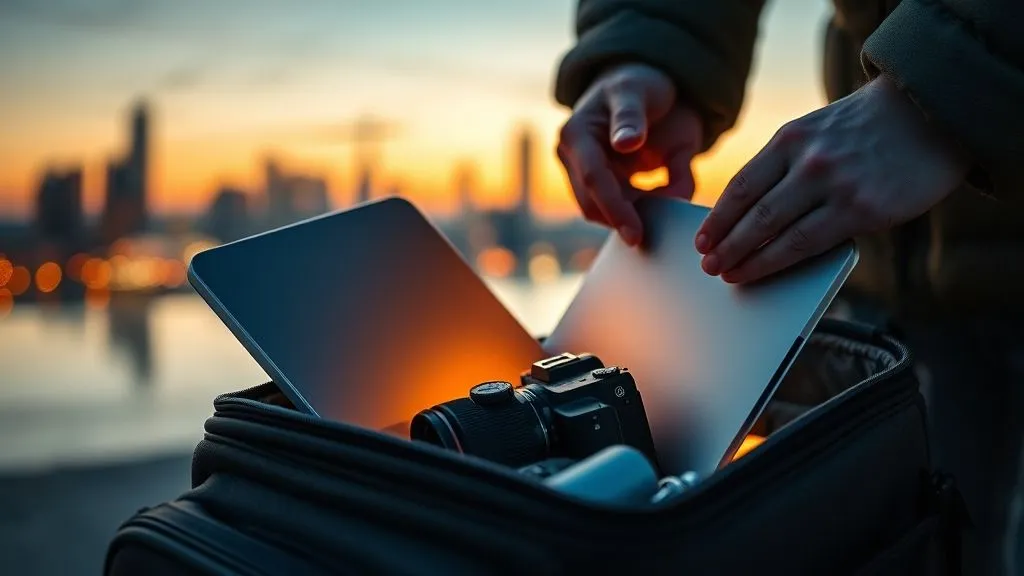
How to Find Budget Travel Insurance Protecting Business Equipment?
For over 15 years in the finance and travel insurance niche, I've witnessed the devastating impact of lost or damaged business equipment on the road. From digital nomads losing their entire livelihood in a single incident to consultants having critical presentation laptops stolen, the financial and professional fallout can be immense, often far exceeding the cost of the trip itself.
The core problem isn't just about replacing a gadget; it's about the lost income, the missed deadlines, and the irreversible damage to client relationships. Many budget-conscious travelers, especially those juggling professional responsibilities, mistakenly believe they must choose between affordable travel and adequate protection for their valuable tools.
But what if I told you there's a smarter way? This comprehensive guide will equip you with actionable frameworks, expert insights, and practical strategies to secure budget-friendly travel insurance that genuinely protects your essential business equipment, ensuring your peace of mind and professional continuity, no matter where your work takes you.
Understanding the Core Challenge: Budget vs. Protection
The tension between wanting to save money on travel and needing robust protection for expensive business equipment is a common dilemma. I've seen countless professionals fall into the trap of opting for the cheapest travel insurance thinking 'it'll be fine,' only to discover a gaping hole in their coverage when disaster strikes.
This isn't just about a laptop; it's about cameras, drones, specialized tools, and even portfolios that represent years of work. The perceived high cost of comprehensive insurance often leads to underinsurance or no insurance at all, creating a false economy that can cost exponentially more in the long run.
My experience tells me that true budget travel isn't about cutting corners on essential safeguards. It's about being smart, understanding the nuances of policy language, and knowing exactly where to find the sweet spot between affordability and genuine protection for your professional assets.
Beyond Standard Travel Insurance: Why You Need Specialized Coverage
A fundamental misconception I often encounter is the belief that a standard travel insurance policy will automatically cover business equipment. Unfortunately, this is rarely the case. Most basic policies are designed for personal belongings and often have strict limits or outright exclusions for items used professionally, especially high-value electronics.
These policies might cover a lost suitcase, but they'll likely balk at replacing a professional-grade camera or a specialized engineering device. Understanding this distinction is your first critical step toward securing appropriate coverage without overspending.
What 'Business Equipment' Truly Means to Insurers
For insurance purposes, 'business equipment' typically refers to items you use to generate income or perform professional duties. This can include:
- Laptops and Tablets: Your primary work tools.
- Cameras and Photography Gear: Essential for photographers, videographers, and content creators.
- Drones: For aerial photography, surveying, or inspections.
- Specialized Tools: For engineers, artisans, or technicians.
- Musical Instruments: For touring musicians or educators.
Insurers often have specific clauses defining these items and their coverage limits, which are almost always lower than their actual replacement value in standard policies. This is why a specialized approach is non-negotiable.
Strategy 1: Leveraging Existing Policies (Homeowner's, Business, Credit Card)
Before diving into new policies, it's prudent to review what you might already have. Often, existing insurance can offer a surprising baseline of protection, or at least provide a starting point for add-ons.
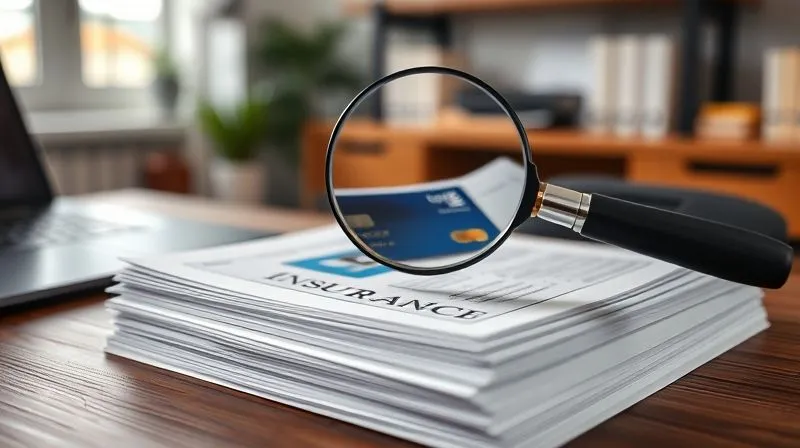
Homeowner's/Renter's Insurance Endorsements
Your homeowner's or renter's insurance policy might offer some coverage for your personal property, even when you're traveling. However, there are significant caveats.
Actionable Steps:
- Review Your Policy: Check the 'personal property' section for coverage limits on items away from home.
- Inquire About Endorsements: Ask your insurer about adding a 'scheduled personal property' endorsement or a 'home-based business' rider. This specifically lists high-value items and covers them against a broader range of perils, often with no deductible.
- Understand Deductibles: Standard homeowner's deductibles can be high ($500-$2,500), making small claims impractical.
- Note Exclusions: Many policies exclude items used 'primarily for business purposes' or have very low limits for them.
Business Owner's Policy (BOP) Riders
If you run a small business, you might already have a Business Owner's Policy (BOP). These policies combine property, liability, and business interruption insurance. They often have provisions for 'business personal property' (BPP) which can extend to items temporarily taken off-premises.
Actionable Steps:
- Check BPP Coverage: Verify if your current BOP includes 'off-premises' coverage for your equipment.
- Ask for an Inland Marine Policy: This specialized coverage is designed for property that is frequently moved, such as contractor's tools or professional photography equipment. It's often an affordable add-on to a BOP.
- Clarify Global Coverage: Ensure the policy extends to international travel, not just domestic.
Credit Card Travel Benefits: A Closer Look
Many premium credit cards offer travel insurance benefits, including baggage delay, loss, or damage. While convenient, these are often secondary to other insurance and come with significant limitations.
Actionable Steps:
- Read the Guide to Benefits: This document, often overlooked, details exactly what is covered, for how much, and under what circumstances.
- Understand 'Secondary' Coverage: Most credit card benefits kick in only after your primary insurance (homeowner's, travel insurance) has paid out.
- Note Low Limits and Exclusions: They typically have low per-item and aggregate limits (e.g., $500 per item, $3,000 per trip) and often exclude electronics, professional tools, or items used for business.
- Purchase Requirement: The trip and/or the equipment purchase often needs to be made with that specific credit card.
As Forbes Advisor often highlights, credit card benefits are a nice perk, but rarely a standalone solution for high-value business equipment protection.
Strategy 2: Dedicated Gadget Insurance or Standalone Policies
When existing policies fall short, or if you frequently travel with expensive gear, dedicated gadget insurance or a standalone policy designed for professional equipment becomes indispensable. This is often the most straightforward way to get comprehensive coverage.
Providers like World Nomads (for adventure travelers with gear), Clements Worldwide (for international professionals), or even specialized gadget insurers offer policies that explicitly cover laptops, cameras, and other professional tools against theft, accidental damage, and sometimes even mysterious disappearance.
In my experience, the biggest mistake people make here is focusing solely on the premium. A cheap policy with restrictive clauses or low payout limits is no bargain. Always prioritize comprehensive coverage that aligns with the true replacement cost of your equipment.
Comparing Typical Coverage for Business Equipment
| Feature | Standard Travel Insurance | Dedicated Gadget/BOP Rider |
|---|---|---|
| Per-Item Limit | $250 - $500 | Up to $2,500 - $10,000+ |
| Aggregate Limit | $1,000 - $2,500 | Up to $15,000 - $50,000+ |
| Covered Perils | Theft (often with strict conditions), Fire | Theft, Accidental Damage, Fire, Vandalism, Water Damage, sometimes Mysterious Disappearance |
| Deductible | $100 - $250 | $0 - $500 (often customizable) |
| Professional Use Exclusion | Commonly Excluded | Explicitly Covered |
Strategy 3: The 'Per Item' vs. 'Aggregate' Coverage Dilemma
Understanding how insurers value and cover your equipment is crucial for budget travel insurance. Policies will typically have both a 'per-item limit' and an 'aggregate limit' (total for all items). For instance, a policy might cover $500 per item with an aggregate limit of $2,000.
This means if you have a $3,000 laptop, it will only be covered up to $500. If you lose that laptop and a $1,000 camera, you'd only get $500 for the laptop and $500 for the camera, totaling $1,000, even though the aggregate limit is $2,000.
Documenting Your Gear: A Non-Negotiable Step
Regardless of your chosen insurance, meticulous documentation is paramount. Without proof of ownership and value, even the best policy is useless. I've seen claims denied simply because the traveler couldn't provide adequate evidence.
Actionable Steps:
- Create an Inventory: List every piece of business equipment, including make, model, serial number, and estimated value.
- Keep Receipts: Digitize and store all purchase receipts for your equipment. This proves ownership and original value.
- Take Photos/Videos: Photograph each item, especially its serial number. Take a video of your equipment before you pack it for a trip.
- Use Cloud Storage: Store all documentation (inventory, receipts, photos) in a secure cloud service (e.g., Google Drive, Dropbox) so it's accessible even if your physical devices are lost.
- Update Regularly: As you acquire new gear or upgrade existing items, update your inventory and documentation.
A simple video walkthrough of your packed bag, narrating each item and its condition, can be invaluable evidence should you need to file a claim. It's a small effort with potentially huge returns.
Strategy 4: Smart Deductibles and Policy Customization for Budget Savings
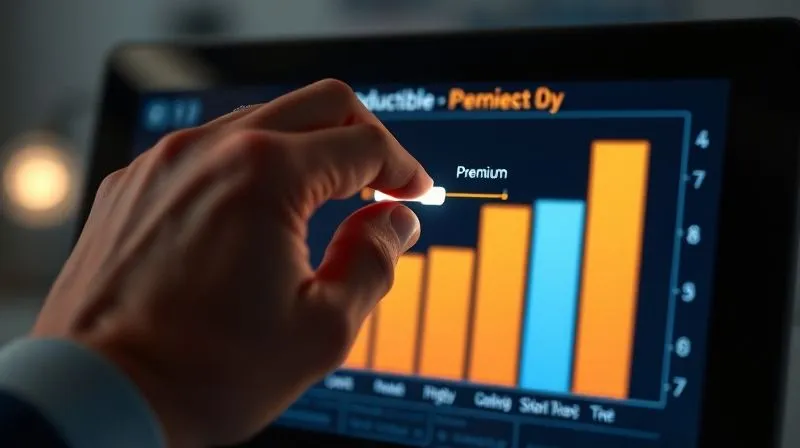
One of the most effective ways to find budget travel insurance protecting business equipment is to strategically adjust your deductible and customize your policy. A deductible is the amount you pay out-of-pocket before your insurance kicks in.
Generally, a higher deductible will result in a lower premium. If you're confident in your ability to mitigate small risks and only want coverage for catastrophic losses, increasing your deductible can significantly reduce your upfront cost. However, make sure you can comfortably afford the deductible if you need to make a claim.
Policy customization also involves scrutinizing exclusions. Many policies exclude coverage for items left 'unattended' or stored in checked baggage. Understanding these limitations allows you to adjust your travel behavior and avoid situations where your equipment wouldn't be covered.
Case Study: Maria's Mobile Studio Predicament
Maria, a freelance graphic designer, frequently travels for client meetings, carrying a high-end laptop, a drawing tablet, and a portable printer – total value around $4,500. Her standard travel insurance offered only $500 per item. Faced with high quotes for specialized insurance, she felt stuck.
Following my advice, Maria first contacted her homeowner's insurer. They offered a 'scheduled personal property' endorsement for her specific items, covering them worldwide against most perils for an additional $120 per year, with a $100 deductible. This was far more affordable than a standalone policy for that level of coverage.
Additionally, she opted for a travel insurance policy with a higher deductible ($500) that covered general travel risks (medical, delays) but knew her primary equipment was protected elsewhere. This hybrid approach allowed her to secure comprehensive coverage for her most valuable assets without breaking her budget, saving her hundreds annually compared to a blanket, high-premium policy.
Strategy 5: Comparing Providers & Reading the Fine Print Like a Pro
The travel insurance market is vast and varied. To find the best budget travel insurance protecting business equipment, you need to be a savvy shopper. Don't just pick the first option that appears in a search. Utilize comparison websites, but always follow up by directly visiting the insurer's site and reviewing the Policy Wording document.
Online aggregators are great for initial comparisons, but the devil is always in the details – specifically, the 'General Exclusions' and 'What's Not Covered' sections. This is where you'll find limitations on business equipment, unattended items, or specific types of damage.
Essential Questions to Ask Before Buying
When you're comparing policies or speaking to an agent, arm yourself with these questions:
- Does this policy specifically cover business equipment, and what is its definition of 'business equipment'?
- What are the per-item and aggregate limits for professional gear?
- Are there specific exclusions for electronics, cameras, or specialized tools?
- Is there coverage for accidental damage, theft, loss, and mysterious disappearance?
- Are items covered if they are in checked baggage or left unattended (e.g., in a hotel room safe, locked car)?
- What is the deductible for equipment claims, and can it be adjusted?
- Is the coverage worldwide, including my specific destinations?
- Does the policy cover replacement cost or actual cash value (depreciated value)? Always aim for replacement cost.
- What is the claims process, and what documentation is required?
Understanding these points, as emphasized by consumer advocacy groups like the Insurance Information Institute, is vital for making an informed decision.
Practical Tips for Minimizing Risk While Traveling with Gear
Insurance is a safety net, but prevention is always the best policy. As an expert who's seen it all, I can tell you that smart habits go a long way in protecting your gear and potentially lowering your insurance costs.

- Pack Smart: Use discreet, non-branded bags for expensive electronics. Avoid obvious camera bags or laptop cases that scream 'valuable inside.'
- Carry-On is King: Whenever possible, keep all high-value business equipment in your carry-on luggage. Checked baggage is notoriously risky for theft and damage.
- Physical Security: Utilize hotel safes, cable locks for laptops, and never leave your gear unattended, even for a moment, in public spaces.
- Back Up Everything: Regularly back up your data to cloud services or external hard drives. Insurance can replace hardware, but it can't replace lost work.
- Be Discreet: Avoid flaunting expensive equipment in public. Use your devices in less conspicuous ways.
- Research Your Destination: Understand the local crime rates and common scams in your destination. Knowledge is power.
These simple steps, combined with a well-chosen policy, form a robust defense against the unpredictable nature of travel. For more general travel security advice, I often refer people to resources like the U.S. Department of State's travel security page.
Frequently Asked Questions (FAQ)
Question? My existing homeowner's policy says it covers personal property worldwide. Isn't that enough for my business laptop?
Answer: Not necessarily. While many homeowner's policies offer 'off-premises' coverage, they often have specific exclusions or significantly lower limits for items used 'primarily for business purposes.' A $3,000 professional laptop might only be covered up to $500, or not at all if deemed a business tool. Always check the fine print for 'business use' clauses and consider a specific endorsement or rider to ensure adequate coverage for its full value.
Question? Is it cheaper to get a separate gadget insurance policy or add it to my travel insurance?
Answer: The cost-effectiveness varies. Sometimes, a dedicated gadget insurance policy is surprisingly affordable and offers broader coverage specifically for electronics. Other times, a specialized 'add-on' or 'rider' to a comprehensive travel insurance policy (or even your business owner's policy) can be more cost-efficient, especially if it's bundled. It truly depends on the value of your equipment, your travel frequency, and the specific terms of each provider. My advice is to get quotes for both options and compare the coverage limits, deductibles, and exclusions side-by-side.
Question? What if I rent equipment for my business trip? Is that covered by my personal travel insurance?
Answer: Generally, no. Personal travel insurance typically covers your owned property. If you rent equipment, the rental company usually offers its own insurance or waiver. Alternatively, some business insurance policies (like an Inland Marine policy) might cover rented equipment, but you'd need to confirm this with your insurer. Never assume; always clarify coverage for rented items directly with the rental company and your existing insurers.
Question? My travel insurance only covers 'theft.' What if I accidentally drop my laptop or spill coffee on it?
Answer: 'Theft' coverage is often very narrow, requiring proof of forced entry or a police report. Accidental damage (like dropping or spilling) is usually not covered by basic travel insurance. For these perils, you need a policy that explicitly includes 'accidental damage' or 'all-risk' coverage. Dedicated gadget insurance or a comprehensive business equipment rider is typically where you'll find this broader protection, which is crucial given how common accidental damage can be.
Question? How can I prove ownership and value if all my receipts are digital and stored on the device that was stolen?
Answer: This is why cloud storage and redundant documentation are non-negotiable. Always save copies of your inventory, receipts, and photos/videos of your equipment to a separate, secure cloud service (e.g., Google Drive, Dropbox, iCloud) that you can access from any device. Emailing a copy to yourself or a trusted contact before a trip is also a good backup. This ensures that even if your primary device is lost, your proof of ownership and value is still accessible for a claim.
Key Takeaways and Final Thoughts
Navigating the world of travel insurance for business equipment on a budget can seem daunting, but it's entirely achievable with the right strategy. My years in this industry have taught me that preparedness isn't just about financial security; it's about safeguarding your professional future.
- Don't Assume: Standard travel insurance rarely covers business equipment adequately.
- Leverage & Augment: Explore existing homeowner's, business, or credit card policies for potential coverage or affordable riders.
- Consider Dedicated Policies: For high-value gear or frequent travel, specialized gadget insurance offers robust protection.
- Document Meticulously: An updated inventory, receipts, and visual evidence are non-negotiable for successful claims.
- Customize for Value: Adjust deductibles and scrutinize exclusions to find the sweet spot between cost and comprehensive coverage.
- Prevent & Protect: Smart packing, physical security, and data backups are your first line of defense.
Remember, your business equipment isn't just a possession; it's an extension of your livelihood. Investing a little time and effort into securing the right budget travel insurance protecting business equipment is a small price to pay for the immense peace of mind and professional continuity it provides. Travel smart, work confidently, and protect your assets wherever your journey takes you.
Recommended Reading
- Income Drop? 7 Steps to Urgently Reallocate Your Professional Budget
- Urgent: The Essential Steps to Take After Identity Theft Affects Your Credit
- IRS Audit Notice? 7 Immediate Steps to Protect Yourself & Your Finances
- 7 Strategic Adjustments for Global Equity Amidst Supply Chain Woes
- 7 Urgent Steps: Restore Professional Credit After Severe Identity Theft



Comments
Leave a comment below. Your email will not be published. Required fields marked with *