



How to Ensure DeFi Fund Compliance Amidst Evolving Global Regulations?
For over a decade and a half, I've navigated the tumultuous waters of financial regulation, from the dawn of digital banking to the explosive growth of decentralized finance. What I've consistently observed, especially in the fast-paced Web3 landscape, is that innovation often outstrips regulation, creating a treacherous gap that even the most promising projects can fall into.
The promise of DeFi — open, permissionless, and transparent finance — clashes head-on with a global regulatory environment designed for centralized institutions. Fund managers and developers in this space face a unique dilemma: how do you build and operate compliant funds when the rules are fragmented, often contradictory, and constantly shifting? This isn't merely a legal hurdle; it's an existential threat to growth and investor trust.
This article isn't just another overview; it's a deep dive into actionable strategies, informed by my years in the trenches, to help you navigate this complex terrain. We'll explore frameworks, leverage real-world insights, and pinpoint the critical steps you must take to not just survive but thrive in a regulated DeFi future. Prepare to gain a strategic advantage in a world where compliance is paramount.
Understanding the Shifting Sands: The Global Regulatory Landscape for DeFi
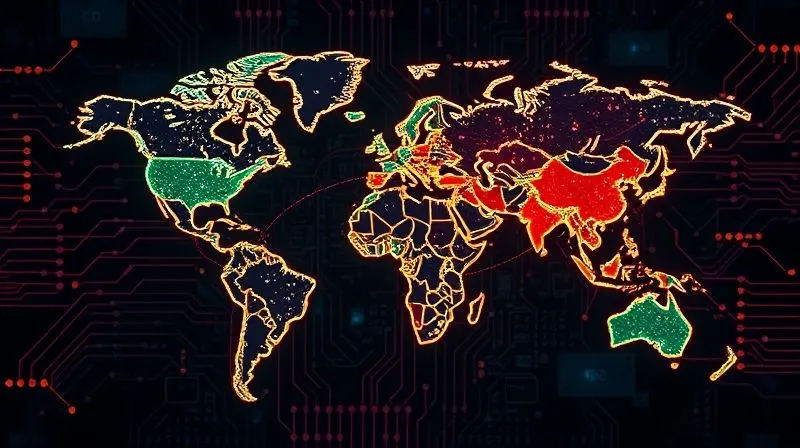
Before we can build a fortress, we must understand the terrain. The global regulatory approach to DeFi is anything but monolithic, presenting a patchwork of frameworks that range from outright bans to cautious embrace.
Jurisdictions like the EU are advancing with comprehensive legislation such as MiCA (Markets in Crypto-Assets), aiming for clarity and consumer protection. Meanwhile, the US grapples with a multi-agency approach, where the SEC, CFTC, and FinCEN each stake a claim, often leading to uncertainty and enforcement actions.
Asia also presents diverse models, with Singapore and Japan taking a more progressive stance, while others maintain stricter controls. This global divergence means that a one-size-fits-all compliance strategy simply won't work for any serious DeFi fund.
Key Terms: MiCA, SEC, CFTC, FinCEN, FATF Travel Rule.
The Pillars of Compliance: KYC, AML, and CTF in a Decentralized World
At the heart of traditional financial regulation are Know Your Customer (KYC), Anti-Money Laundering (AML), and Counter-Terrorist Financing (CTF) protocols. While DeFi champions pseudonymity, fund structures operating with fiat on-ramps/off-ramps or interacting with traditional financial systems cannot escape these obligations.
The challenge lies in integrating these centralized requirements into decentralized architectures. How do you verify identities without a central authority? How do you monitor transactions on an immutable ledger for illicit activity? These aren't rhetorical questions; they demand innovative solutions.
Implementing Robust KYC/AML for DeFi Funds
- Leverage RegTech Solutions: Explore specialized RegTech (Regulatory Technology) platforms designed for crypto. These often provide API-driven KYC checks, ongoing transaction monitoring, and risk scoring tailored for digital assets. Look for providers with proven track records in the VASP (Virtual Asset Service Provider) space.
- Layered Approach to Identity: Consider tiered KYC. For smaller transactions or initial interactions, a lighter verification might suffice, escalating to full identity checks for larger sums or withdrawals to traditional accounts.
- On-Chain Analytics: Utilize advanced blockchain analytics tools to trace fund origins, identify suspicious patterns, and flag interactions with known illicit addresses. Companies like Chainalysis or Elliptic are invaluable partners here.
- Geo-fencing and IP Restrictions: Implement technical controls to restrict access from sanctioned jurisdictions or regions with prohibitive regulations. This reduces your exposure to non-compliant activities.
- Regular Risk Assessments: Conduct frequent, thorough risk assessments specific to your fund's operations, identifying potential vulnerabilities in your KYC/AML framework and adapting to new threats.
| Compliance Area | DeFi Challenge | Solution Strategy |
|---|---|---|
| KYC (Know Your Customer) | Pseudonymity, lack of central identity authority | RegTech integration, tiered verification, decentralized identity (SSI) exploration |
| AML (Anti-Money Laundering) | Global, permissionless transactions, mixer usage | On-chain analytics, transaction monitoring, pattern recognition, blacklist screening |
| CTF (Counter-Terrorist Financing) | Funding anonymity, rapid fund movement | Real-time sanction screening, proactive intelligence sharing, fund freezing protocols |
"In the DeFi space, compliance isn't about stifling innovation; it's about building a foundation of trust that will allow institutional capital and mainstream adoption to truly flourish. Ignoring it is akin to building a skyscraper on quicksand."
Navigating Securities Laws: Token Classification and Offerings
One of the most contentious areas in DeFi regulation is the classification of tokens. Is your governance token a security? Is your yield-generating protocol offering unregistered securities? The answer has profound implications for how your fund must operate and who it can serve.
In the US, the Howey Test remains the primary framework for determining if an asset is an 'investment contract' and thus a security. Other jurisdictions have their own tests, but the core principle often revolves around the expectation of profit derived from the efforts of others.
Case Study: DefiYield DAO's Proactive Security Assessment
DefiYield DAO, a decentralized lending protocol, faced concerns about the classification of its native governance token, YIELD. Instead of waiting for regulatory scrutiny, they proactively engaged a specialized legal firm with expertise in digital asset law. The firm conducted a comprehensive 'Howey Analysis' and a jurisdictional-specific legal opinion across their target markets (EU, Singapore, US). Based on the findings, DefiYield DAO implemented several structural changes: reducing the centralized team's influence on core protocol decisions, enhancing decentralization through progressive token distribution, and clearly communicating the utility (not investment) nature of the token to users. This foresight allowed them to raise subsequent funding rounds with greater confidence and attract institutional investors who valued regulatory clarity, avoiding potential enforcement actions.
I've seen countless projects stumble here, either by blindly assuming their token isn't a security or by failing to get proper legal counsel early on. It's a costly mistake that can lead to significant penalties and reputational damage.
Actionable Insight: Engage legal counsel specializing in digital asset securities law before launching or modifying your tokenomics.
Data Privacy and Cybersecurity: Protecting User Information in a Transparent World
While blockchain's transparency is a feature, the handling of off-chain personal data collected for KYC/AML purposes falls squarely under data privacy regulations like GDPR, CCPA, and similar laws globally. A DeFi fund cannot claim immunity from these rules simply because it operates on a blockchain.
Securing this sensitive data is paramount. A single data breach can not only lead to massive fines but also irrevocably damage trust, which is the lifeblood of any financial operation, decentralized or not.
Core Strategies for Data Protection and Cybersecurity
- Minimal Data Collection: Only collect the absolute minimum personal data required for compliance. The less data you hold, the lower the risk in case of a breach.
- Robust Encryption: Ensure all sensitive data, both in transit and at rest, is encrypted using industry-standard protocols.
- Access Controls: Implement strict role-based access controls (RBAC) to ensure only authorized personnel can access sensitive customer data.
- Regular Audits and Penetration Testing: Conduct frequent security audits of your smart contracts, off-chain systems, and data storage solutions. Engage third-party ethical hackers for penetration testing.
- Incident Response Plan: Develop and regularly test a comprehensive incident response plan for data breaches and cybersecurity attacks.
- Compliance with Data Residency Laws: Be aware of where your data is stored and processed, especially if operating globally, to ensure compliance with local data residency requirements.

Governance and Accountability: Bridging Decentralization with Responsibility
The decentralized nature of many DeFi protocols, often governed by DAOs, presents a unique challenge for establishing clear lines of accountability. Regulators typically demand identifiable entities responsible for compliance.
This doesn't mean DAOs are inherently non-compliant, but it requires careful structuring. I've observed successful models where a legal wrapper (e.g., a foundation or a trust) is established to handle the traditional compliance burden, while core protocol development and governance remain decentralized.
Structuring for Accountable Decentralization
- Legal Wrappers: Establish a legal entity to serve as the 'face' for regulatory interactions, handling KYC/AML, tax reporting, and other compliance obligations.
- Defined Roles: Clearly define roles and responsibilities within the DAO for compliance-related tasks, even if these roles are filled by elected or rotating members.
- Transparency in Governance: Ensure that governance decisions, especially those impacting compliance, are transparent and auditable on-chain.
- External Oversight: Consider appointing independent compliance officers or engaging external auditors to provide an objective assessment of your fund's adherence to regulations.
"Decentralization is a powerful design choice, but it doesn't absolve a project from its societal and regulatory responsibilities. Smart DeFi funds find ways to harmonize these two seemingly opposing forces."CoinDesk: How to Regulate DAOs
Embracing RegTech and Future-Proofing Your Compliance Strategy
The sheer volume and complexity of DeFi transactions, coupled with evolving regulations, make manual compliance efforts impractical and prone to error. This is where RegTech (Regulatory Technology) becomes indispensable.
From AI-powered transaction monitoring to automated risk assessments and smart contract auditing tools, RegTech solutions are designed to streamline compliance, reduce costs, and provide the audit trails regulators demand. Investing in these tools is not an expense; it's a strategic imperative.
Key RegTech Areas for DeFi Funds
- Automated AML/KYC: Solutions that integrate with various identity verification services and automatically screen against sanctions lists.
- Blockchain Analytics: Tools that provide deep insights into on-chain activities, identifying illicit funds, tracing transaction paths, and flagging high-risk addresses.
- Smart Contract Auditing: Automated and manual audits to identify vulnerabilities and ensure code adheres to security and, increasingly, regulatory best practices.
- Reporting and Record-Keeping: Systems that automatically generate regulatory reports, maintain immutable audit trails, and ensure data integrity.
- Compliance Orchestration: Platforms that integrate various compliance tools and data sources into a single, comprehensive dashboard for holistic risk management.
As the regulatory landscape matures, I fully expect to see a greater convergence of traditional finance compliance tools with specialized crypto-native solutions. Those who adopt early will gain a significant competitive edge.
Deloitte: RegTech in Financial ServicesBuilding a Culture of Compliance: Beyond Tools and Technologies
Ultimately, compliance isn't just about implementing the right tools or checking off boxes. It's about embedding a culture of ethical behavior and regulatory awareness throughout your entire organization, whether it's a lean startup or a burgeoning DAO.
I’ve witnessed firsthand that the most successful DeFi projects, those that attract serious institutional investment and avoid regulatory pitfalls, are the ones where every team member understands their role in maintaining compliance. It starts from the top.
Fostering a Compliance-First Mindset
- Leadership Buy-in: Ensure that leadership prioritizes compliance, allocating necessary resources and setting the tone for the entire team.
- Continuous Training: Provide regular training for all team members on evolving regulations, internal policies, and the specific compliance tools being used.
- Clear Policies and Procedures: Document all compliance policies and procedures clearly and make them easily accessible to everyone.
- Whistleblower Protection: Establish channels for anonymously reporting potential compliance breaches without fear of retaliation.
- External Counsel Engagement: Maintain an ongoing relationship with legal and compliance experts who specialize in digital assets. Their insights are invaluable.
Remember, regulations are not static. What is compliant today may require adjustments tomorrow. A proactive, adaptive, and culturally ingrained approach to compliance is your strongest defense.
Harvard Business Review: The Role of Culture in Compliance
Frequently Asked Questions (FAQ)
Q: Can a truly decentralized DAO be held liable for non-compliance? A: This is a complex and evolving area. While the intent of decentralization is to distribute control, regulators often seek a responsible party. Legal wrappers, as discussed, are a common strategy. Furthermore, individuals contributing significantly to a DAO's operations, especially those with control over funds or key decisions, could face personal liability. The trend is towards holding identifiable actors accountable, even within decentralized structures.
Q: How do DeFi funds handle compliance with the FATF Travel Rule? A: The FATF Travel Rule requires VASPs to share originator and beneficiary information for transactions above a certain threshold. For DeFi funds, this means integrating solutions that can collect and transmit this data for transactions involving their users or counterparties. This often involves working with Travel Rule solution providers who can facilitate secure, compliant data exchange between VASPs, bridging the gap between on-chain activity and off-chain data requirements.
Q: What are the biggest emerging regulatory risks for DeFi funds in the next 1-2 years? A: I see three primary risks: 1) Increased enforcement against unregistered securities offerings for tokens, especially those with centralized teams. 2) Greater scrutiny on stablecoins and their reserves, potentially leading to stringent licensing requirements. 3) A tightening of DeFi protocols' responsibility in preventing illicit finance, with more explicit expectations for on-chain monitoring and potential sanctions.
Q: Is it possible to be fully compliant while maintaining true decentralization? A: Achieving "full" compliance in a truly permissionless and anonymous DeFi environment is incredibly challenging, if not contradictory, under current regulatory paradigms. The sweet spot for funds often involves a hybrid approach: leveraging decentralization where possible (e.g., protocol governance) while centralizing compliance functions (e.g., KYC for fiat on/off-ramps, legal entity for reporting). The goal is to maximize decentralization within the bounds of legal and ethical operation.
Q: How can a DeFi fund prepare for unknown future regulations? A: The best preparation is to build a robust, adaptable compliance framework. This includes maintaining strong legal counsel, investing in flexible RegTech, fostering a culture of compliance, and actively monitoring global regulatory developments. Participate in industry dialogues, engage with policymakers, and be prepared to iterate your compliance strategy. Agility is key.
Key Takeaways and Final Thoughts
- Embrace Proactivity: Don't wait for regulators to knock on your door. Proactive compliance is your strongest defense and a clear differentiator.
- Hybrid Models are Key: For most DeFi funds, a blend of decentralized principles and centralized compliance functions (e.g., legal wrappers, RegTech) is the most viable path.
- Invest in Expertise: Legal counsel and RegTech solutions specializing in digital assets are not optional; they are critical investments.
- Culture Matters: Compliance is a shared responsibility. Foster a culture where every team member understands and contributes to regulatory adherence.
- Stay Agile: The regulatory landscape is dynamic. Continuously monitor, adapt, and iterate your compliance strategies to stay ahead.
The journey to ensure DeFi fund compliance amidst evolving global regulations is undoubtedly challenging, but it's also an opportunity. By prioritizing robust compliance, you're not just mitigating risk; you're building a foundation of trust and legitimacy that will attract institutional capital, foster innovation, and ultimately shape the future of finance. The decentralized revolution is here, and with diligent compliance, it can be a responsible and enduring one. I encourage you to see compliance not as a burden, but as a strategic enabler for long-term success.
Recommended Reading
- Mastering Digital Spending: Virtual Envelopes for Professionals
- 5 Strategies: How to Prevent Tokenomics Collapse in Bear Markets?
- Mastering Anomaly Detection: 7 Big Data Strategies for Financial Risk
- 7 Proven Strategies to Shield Your Business from Uninsured Lawsuit Costs
- 7 Hidden Costs: Stop Them Eating Your Startup's Profits Today!




Comments
Leave a comment below. Your email will not be published. Required fields marked with *