



Introduction: How to challenge unfair car insurance claim denial for business?
In my nearly two decades navigating the complex world of finance and insurance, particularly in commercial risk management, I've witnessed firsthand the devastating ripple effect an unfairly denied car insurance claim can have on a business. It's not just about a damaged vehicle; it's about disrupted operations, lost revenue, damaged reputation, and the emotional toll on owners and employees.
The shock of receiving a denial letter can be paralyzing. Many business owners, overwhelmed by the jargon and the perceived power of the insurance giant, simply give up, absorbing the financial hit themselves. This, I assure you, is a mistake that can be avoided with the right approach.
This comprehensive guide isn't just a list of steps; it's a strategic framework, born from years of experience helping businesses like yours. I'll walk you through actionable strategies, real-world case studies, and expert insights on how to challenge unfair car insurance claim denial for business, ensuring you have the knowledge and confidence to fight for what your policy promises.
Understanding the Landscape: Why Business Car Insurance Claims Get Denied
Before you can effectively challenge a denial, you must understand the common battlegrounds. Insurers are businesses, and while they exist to provide protection, they also have a responsibility to their shareholders. Sometimes, this can lead to rigorous, and occasionally, overly conservative, claim assessments.
Common Reasons for Business Car Insurance Claim Denial
- Policy Exclusions: Your policy explicitly states what it covers and, more importantly, what it doesn't. This could include specific types of drivers, vehicle uses (e.g., racing, off-roading), or geographical limitations.
- Insufficient Documentation: A lack of clear, comprehensive evidence to support your claim is a frequent culprit. Insurers need proof of loss, circumstances, and damages.
- Late Reporting: Most policies have strict deadlines for reporting an incident. Delaying notification, even by a few days, can sometimes be grounds for denial.
- Fraud Suspicion: While rare, any perceived inconsistency, exaggeration, or attempt to misrepresent facts can trigger a denial based on suspected fraud.
- Disputed Liability: If the insurer believes your business's driver was primarily at fault, or if liability is unclear, they might deny coverage for damages to your vehicle or refuse to defend against third-party claims.
- Breach of Policy Terms: This can range from failing to maintain the vehicle as per safety standards, unauthorized modifications, or using the vehicle for purposes not declared in the policy.
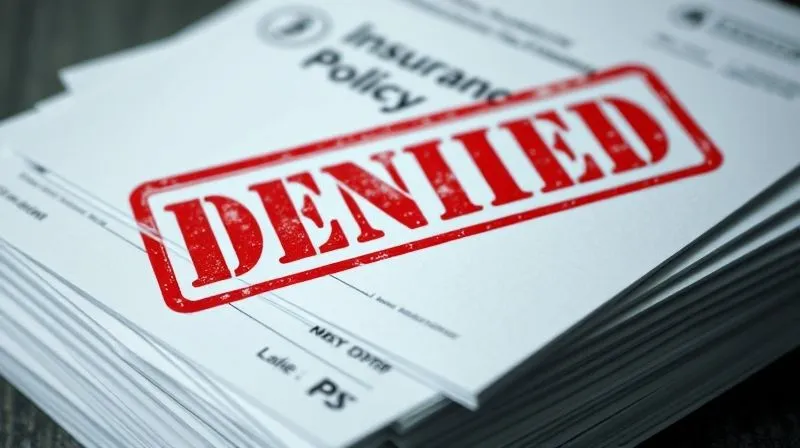
In my experience, many denials stem from a misunderstanding of policy language or a failure to present a compelling, evidence-backed case. The good news is, these are often rectifiable issues.
Step 1: Meticulously Review Your Policy and Denial Letter
The very first step in how to challenge unfair car insurance claim denial for business is to become intimately familiar with the documents you already possess. This might sound obvious, but I've seen countless businesses overlook this critical initial phase.
- Obtain a Complete Copy of Your Commercial Auto Insurance Policy: Don't rely on summaries or memory. Request the full, unabridged policy document from your insurer or broker. This is your contract, and every clause matters.
- Carefully Read the Denial Letter: This letter isn't just bad news; it's the insurer's formal statement of their position. It must articulate the specific reasons for denial and refer to relevant policy sections.
- Identify the Specific Clause or Reason Cited for Denial: Pinpoint the exact language the insurer uses. Is it an exclusion? A condition you allegedly didn't meet? A lack of evidence?
- Cross-Reference with Your Policy Terms: With your policy in hand, scrutinize the cited clauses. Does the insurer's interpretation align with the policy's actual wording? Are there ambiguities? Sometimes, the insurer's interpretation is flawed or overly restrictive.
Key Insight: "The devil is always in the details. Your policy is your contract, and the denial letter must articulate its breach clearly. If it doesn't, or if their reasoning doesn't stand up to scrutiny against the policy's actual text, you've found your first point of leverage."
Step 2: Gather Comprehensive Documentation and Evidence
An insurance claim, particularly an appeal, is fundamentally about evidence. The more robust, organized, and pertinent your documentation, the stronger your position. Think of yourself as a detective, assembling an irrefutable case.
What Evidence Do You Need?
- Accident Reports: This includes official police reports, internal incident reports, and any reports from other authorities (e.g., fire department).
- Witness Statements: Collect detailed accounts from anyone who witnessed the incident, including contact information.
- Photos and Videos: Visual evidence of the accident scene, vehicle damage, road conditions, and any relevant environmental factors (e.g., skid marks, debris) is incredibly powerful. Dashcam footage is a game-changer for commercial vehicles.
- Vehicle Maintenance Records: Prove your vehicle was in good operating condition and regularly serviced. This counters claims of mechanical failure contributing to the incident.
- Driver Logs and Qualifications: Demonstrate that your driver was authorized, properly licensed, and compliant with hours-of-service regulations. Include training records if relevant.
- Communication Logs with Insurer: Keep a meticulous record of every phone call, email, and letter exchanged with your insurance company, noting dates, times, and the content of discussions.
- Repair Estimates: Obtain multiple detailed estimates from reputable repair shops for the damages sustained.
- Medical Reports: If there were injuries, detailed medical reports, prognoses, and bills are crucial.
- Business Interruption Records: If the denial impacts your operations, document lost revenue, additional expenses incurred, and any other financial losses.
| Document Type | Purpose |
|---|---|
| Police Report | Official incident record, liability context |
| Vehicle Maintenance Logs | Proves vehicle roadworthiness, counters mechanical failure claims |
| Driver Qualification Records | Confirms licensed, authorized driver, training history |
| Communication Log | Tracks insurer interactions, deadlines, content of discussions |
| Dashcam/Fleet Telematics Data | Objective evidence of incident circumstances, driver behavior |
Expert Tip: "Compile everything into a chronological, easy-to-navigate file, whether digital or physical. Organization is your secret weapon. A well-presented case often receives more serious consideration than a haphazard collection of papers."
Step 3: Initiate the Internal Appeals Process with Your Insurer
Once you have your ducks in a row – a clear understanding of the denial reason and a mountain of supporting evidence – it's time to formally challenge the decision. Most insurance companies have an internal appeals process, and utilizing it is your mandatory first step.
Formal Communication is Crucial
- Write a Formal Appeal Letter: This should be a professional, concise, and detailed letter. Reference your policy number, claim ID, and the date of the denial.
- Clearly State Why You Believe the Denial is Unfair: Directly address each point raised in the denial letter. Use your policy language and the evidence you've gathered to refute their reasoning. For example, if they cited a lack of maintenance, provide your service records. If they disputed liability, present your witness statements or dashcam footage.
- Attach All Supporting Documentation: Do not just refer to documents; provide copies of everything you've gathered. Create an index or a table of contents if your documentation is extensive.
- Request a Written Response within a Specific Timeframe: A typical request is for a response within 15-30 business days. This helps maintain momentum and creates a paper trail. Send your appeal via certified mail or email with a read receipt to prove it was sent and received.
Case Study: Apex Logistics' Overturned Denial
Apex Logistics, a mid-sized regional delivery service, faced a claim denial after one of their vans was involved in a minor fender bender. The insurer cited 'driver negligence' based on the initial police report, which was inconclusive. Their driver, a veteran with a clean record, insisted the other vehicle had made an unsafe lane change. Following my advice on how to challenge unfair car insurance claim denial for business, Apex meticulously documented the incident:
- They obtained dashcam footage clearly showing the other vehicle's sudden maneuver.
- They provided detailed weather reports for the time of the incident, showing clear conditions.
- They submitted the driver's recent safety training logs and impeccable driving history.
- Their formal appeal letter, backed by this irrefutable evidence, led the insurer to re-evaluate. After a secondary review, the claim was approved, saving Apex over $15,000 in repair costs, potential premium hikes, and operational downtime.
This case vividly illustrates the power of thorough documentation and a well-structured appeal. The National Association of Insurance Commissioners (NAIC) provides valuable resources on consumer protection and understanding insurer obligations, which can be helpful in framing your appeal.
Step 4: Escalating Your Claim – Beyond the Initial Appeal
If your initial internal appeal is unsuccessful, it's not the end of the road. There are further avenues within the insurance company that you can and should pursue. This is where persistence and a clear understanding of the escalation matrix become vital.
Engaging Senior Reviewers
Many large insurance companies have a multi-tiered review process. If the first appeal is denied, request that your claim be reviewed by a higher-level claims manager, a supervisor, or a dedicated appeals department. When doing so:
- Maintain Professionalism: Even if you're frustrated, keep your communication professional and fact-based. Emotional outbursts rarely lead to positive outcomes.
- Reiterate Your Case: Briefly summarize your core arguments and the key evidence that supports your position.
- Request Specific Explanations: Ask for a detailed explanation of why your appeal was denied, especially if new evidence was presented.
The Role of an Independent Adjuster
If you feel the insurer's assessment of damages or liability is biased, consider hiring your own independent public adjuster. Unlike adjusters employed by the insurance company, a public adjuster works solely for you, the policyholder. They can:
- Conduct an unbiased assessment of the damage and circumstances.
- Provide an independent estimate of repair costs or loss.
- Help you navigate the claims process and communicate with the insurer.
While there's a cost involved, their report can serve as powerful counter-evidence, often carrying significant weight in overturning a denial, especially if the dispute revolves around the extent of damages or the cost of repairs.
Step 5: Seeking External Assistance and Regulatory Intervention
When internal appeals hit a wall, it’s time to bring in external forces. These bodies exist to ensure fair practices and can provide the leverage needed to challenge an unfair car insurance claim denial for business.
State Department of Insurance (DOI)
Every state has a Department of Insurance (or similar regulatory body) responsible for overseeing insurance companies and protecting policyholders. Filing a formal complaint with your state's DOI is a crucial step.
- How They Help: The DOI can investigate your complaint, mediate disputes, and ensure the insurer is adhering to state insurance laws and regulations. They don't typically force an insurer to pay a claim, but their involvement often prompts insurers to take a fresh, more careful look at a denial.
- What to Provide: Submit a detailed account of your claim, the denial, your appeal efforts, and all supporting documentation.
The Insurance Information Institute (III) offers guidance on what to do if your claim is denied, including how to contact your state's insurance department.
Legal Counsel
If the claim value is substantial, if you suspect bad faith (more on that below), or if all other avenues have been exhausted, consulting with an attorney specializing in insurance law becomes imperative. An attorney can:
- Review your policy and the denial for legal vulnerabilities.
- Negotiate directly with the insurance company on your behalf.
- Represent you in litigation if a fair settlement cannot be reached.
As a Forbes Advisor article highlighted, "Navigating insurance disputes without legal expertise can be like sailing without a compass." For businesses, the stakes are often too high to proceed without expert legal guidance when facing a determined insurer.
| Recourse Option | When to Use | Potential Outcome |
|---|---|---|
| Internal Appeal | First step, direct with insurer's claims department | Claim re-evaluation, approval, partial settlement |
| State DOI Complaint | Internal appeal fails, suspect regulatory non-compliance | Mediation, insurer investigation, potential regulatory action |
| Legal Action | High value claim, bad faith suspected, all else fails | Litigation, settlement, full claim payment, punitive damages |
Step 6: Understanding Bad Faith Claims
This is a crucial concept for any business owner dealing with an insurance denial. 'Bad faith' refers to an insurer's unreasonable or unfair refusal to pay a legitimate claim, or their failure to act fairly and honestly toward their policyholder. It's a serious accusation, and if proven, can lead to significant penalties for the insurer.
What Constitutes Bad Faith?
While definitions can vary by state, common examples of bad faith practices include:
- Unreasonable Delay: Taking an excessive amount of time to investigate or pay a legitimate claim without proper justification.
- Failure to Investigate Properly: Denying a claim without conducting a thorough and unbiased investigation into the facts.
- Misrepresenting Policy Language: Deliberately misinterpreting policy terms or exclusions to avoid paying a claim.
- Offering Substantially Less: Offering a settlement amount that is significantly lower than the actual value of the claim, without a reasonable basis.
- Refusing to Defend: For liability claims, failing to provide legal defense when the policy obligates them to do so.
- Coercion: Pressuring a policyholder to accept a low settlement or drop a claim.
"As I often tell my clients, 'Insurance is a contract of good faith. When that faith is broken, you have recourse beyond just the policy's value. Proving bad faith can not only overturn a denial but also entitle your business to additional damages.'"
If you suspect your insurer is acting in bad faith, document every interaction, every delay, and every piece of communication. This evidence will be vital if you need to pursue a bad faith claim, which typically requires the involvement of an attorney specializing in insurance litigation.

Step 7: Prevention is the Best Policy – Future-Proofing Your Business
While knowing how to challenge unfair car insurance claim denial for business is essential, an ounce of prevention is truly worth a pound of cure. Proactive measures can significantly reduce the likelihood of future denials and strengthen your position if one does occur.
Proactive Measures for Commercial Auto Insurance
- Regular Policy Review with Your Broker: Don't just renew blindly. Schedule annual reviews with your insurance broker to discuss changes in your business operations, fleet size, driver roster, and potential risks. Ensure your coverage limits and exclusions are still appropriate.
- Comprehensive Record-Keeping: Implement stringent protocols for documenting everything related to your vehicles and drivers. This includes maintenance logs, pre-trip inspections, driver qualification files, and incident reports. Digital systems are highly recommended for easy retrieval.
- Driver Training and Safety Protocols: Invest in ongoing driver training, defensive driving courses, and clear safety policies. This reduces accident frequency and demonstrates your commitment to risk management, which insurers appreciate.
- Timely Claim Reporting: Educate your drivers and employees on the importance of reporting incidents immediately, even minor ones. This prevents denials based on late notification.
- Understanding Exclusions Upfront: Work with your broker to clearly understand all policy exclusions when you purchase or renew coverage. If certain risks aren't covered, explore options for additional endorsements or separate policies.
- Install Telematics/Dashcams: For fleet operations, telematics systems and dashcams provide invaluable, objective data for accident reconstruction, driver behavior monitoring, and proving circumstances.
"Preventative measures aren't just about avoiding claims; they're about building an unassailable case should a claim arise. A well-managed fleet with meticulous records is far less likely to face a legitimate denial, and far better equipped to challenge an unfair one."
By integrating these practices into your business operations, you create a robust defense against potential claim denials and ensure your commercial auto insurance truly serves its purpose: protecting your assets and maintaining business continuity.
Frequently Asked Questions (FAQ)
Question: How long does an insurance appeal process typically take for a business? The timeline can vary significantly. An internal appeal with your insurer might take anywhere from 15 to 60 days for a response. If you escalate to the State Department of Insurance, their investigation and mediation process could add several weeks to a few months. Legal action, if necessary, can extend for many months or even years, depending on the complexity of the case and court schedules. Patience and persistence are key.
Question: Should I involve a public adjuster or a lawyer first when challenging a denial? It depends on the nature of the denial. If the dispute is primarily about the extent of damage or the cost of repairs, a public adjuster can be very effective in providing an independent assessment. If the denial involves complex policy interpretation, liability disputes, or suspected bad faith on the insurer's part, a lawyer specializing in insurance law is generally the more appropriate first choice, as they can provide legal counsel and represent your interests in formal negotiations or litigation.
Question: What specific records are most critical for a commercial auto claim appeal? Beyond the denial letter and your full policy, the most critical records include the police report, any dashcam or telematics data, detailed photos and videos of the incident scene and vehicle damage, vehicle maintenance logs, driver qualification records, and a meticulous log of all communications with your insurer. These documents collectively build a strong, evidence-based argument.
Question: Can a denied claim impact my business's future insurance premiums or insurability? Yes, a denied claim, especially if it points to high-risk factors or a history of disputes, can potentially influence your business's future insurance premiums. Insurers assess risk based on claims history. While a successfully overturned denial might mitigate some of the negative impact, the fact that an incident occurred and a claim was filed will likely remain on your record. It's crucial to demonstrate proactive risk management to counteract this.
Question: Is there a cost associated with challenging a denial, and is it worth it? Yes, there can be costs involved, such as fees for independent adjusters, legal consultation, or administrative expenses for obtaining records. However, whether it's 'worth it' almost always depends on the value of the claim. For significant damages, lost income, or potential liability, these costs are often a fraction of what your business stands to lose if the denial goes unchallenged. In many cases, the financial and operational impact of an unfair denial far outweighs the cost of pursuing an appeal.
Key Takeaways and Final Thoughts
Navigating an unfair car insurance claim denial for your business can feel like an uphill battle, but it is a fight your business can win with the right strategy and determination. Remember these critical takeaways:
- Know Your Policy: Understand your commercial auto insurance policy inside and out, especially the exclusions and conditions.
- Document Everything: Meticulous record-keeping and comprehensive evidence are your most powerful tools.
- Follow the Process: Systematically work through internal appeals before escalating to external bodies.
- Don't Be Afraid to Escalate: Utilize state regulatory bodies (like the DOI) and legal counsel when necessary.
- Understand Bad Faith: Be aware of what constitutes bad faith practices and your rights if you suspect them.
- Preventative Measures: Proactive risk management and regular policy reviews are the best defense against future denials.
As someone who has guided numerous businesses through these challenging waters, I can assure you that your policy is a promise, and your business deserves the protection it paid for. With a structured approach and unwavering resolve, you can successfully challenge unfair decisions and secure the financial stability and peace of mind your business needs to thrive. Don't let a denial be the final word; empower your business to fight for its rights.
Recommended Reading
- The Hidden Costs: Are Budget Airlines Truly Cheaper in the Long Run?
- 7 Proven Strategies: How to Protect Financially Illiterate Consumers from Scams
- 7 Strategies to Slash Tax Impact on Your Booming Net Worth
- 5 Strategies: Revive Team Morale After Zero-Based Budgeting Setbacks
- 5 Strategic Steps: Restructure Business Debt Amidst Volatile Rates?




Comments
Leave a comment below. Your email will not be published. Required fields marked with *