



How to Budget for a Year of Professional Backpacking Without Debt?
For over 15 years in the finance and budget travel niche, I've had the privilege of guiding countless aspiring adventurers, from fresh graduates to seasoned professionals, through the daunting task of planning extended journeys. A common dream I encounter is the desire for a year of professional backpacking – a journey that melds career growth with world exploration. Yet, the specter of debt often looms large, turning what should be an empowering experience into a financial nightmare before it even begins.
The pain point is palpable: the excitement of a global adventure often clashes with the harsh realities of financial planning. Many start with grand visions, only to find themselves overwhelmed by the sheer scale of expenses, the fear of running out of money, or worse, returning home burdened by credit card debt that stifles future opportunities. This isn't just about saving money; it's about preserving your financial future and ensuring your professional growth isn't derailed by an ill-planned sabbatical.
This comprehensive guide isn't just a list of tips; it's a strategic framework, born from years of experience and countless real-world success stories. I'll walk you through a detailed, phased approach to budgeting for a year of professional backpacking without debt, offering actionable steps, expert insights, and the crucial mindset shifts needed to make your dream a financially sound reality. Prepare to build a robust financial fortress for your adventure.
Phase 1: The Pre-Departure Financial Fortification
Before you even think about packing your bags, the most critical work happens at home. This initial phase is about building a rock-solid financial foundation that will support your entire year of travel. Skipping these steps is like building a house on sand – it looks fine until the storms hit.
Calculating Your True Costs: Beyond Flights and Hostels
Many first-time long-term travelers make the mistake of only budgeting for the obvious: flights and accommodation. In my experience, the 'hidden' costs are what truly derail a budget. These include travel insurance, visa fees, vaccinations, gear upgrades, a robust emergency fund, and even the cost of maintaining ties back home (e.g., subscription services, storage). A comprehensive budget accounts for every single potential expense.
Start by researching average daily costs for your target destinations. Websites like Numbeo can provide a good baseline, but always add a buffer. Remember, 'professional backpacking' often means you'll need reliable internet, occasional co-working spaces, and perhaps a slightly higher standard of living than a pure shoestring backpacker, which incurs additional costs.
| Category | Estimated Cost | |
|---|---|---|
| Pre-Trip Expenses | Description | |
| Flights (Major) | $1,500 - $3,000+ | Initial flight to first major region |
| Travel Insurance (Annual) | $500 - $1,000 | Comprehensive medical, emergency, theft |
| Visas/Vaccinations | $200 - $800 | Varies by destination |
| Gear Upgrade | $300 - $1,000 | Quality backpack, electronics, clothing |
| Contingency Fund (2-3 months) | $4,000 - $7,500+ | Crucial for emergencies |
| On-the-Road Daily Average | $40 - $75/day | Accommodation, food, transport, activities |
| Professional Tools/Services | $50 - $150/month | Co-working, software subscriptions |
As you can see, the 'true cost' quickly adds up. Don't shy away from these numbers; embrace them. They are your roadmap to financial freedom on the road.

The Power of the Pre-Trip Savings Sprint
Once you have your total estimated cost, it’s time to get serious about saving. This isn't just about putting money aside; it's about a focused, aggressive savings sprint. Think of it as training for an ultra-marathon; you need to push harder than usual to build the necessary endurance.
- Automate Your Savings: Set up automatic transfers from your checking to a dedicated travel savings account the day you get paid. Even better, use a high-yield savings account to make your money work harder for you.
- Cut Ruthlessly: Go through your bank statements and identify every non-essential expense. That daily coffee, unused subscriptions, impulse purchases – they all add up. I've seen clients save thousands by simply auditing their discretionary spending.
- Boost Your Income: Can you take on extra freelance work, sell unused items, or pick up a temporary part-time job? Every extra dollar earned and saved during this phase significantly reduces your on-the-road financial stress.
- The 'No-Spend' Challenge: Implement weekly or monthly 'no-spend' days where you only pay for absolute necessities. This builds discipline and highlights areas where you can save more.
Debt Annihilation: Your Non-Negotiable First Step
This is where the 'without debt' part of our keyword truly shines. Carrying consumer debt (credit cards, personal loans with high-interest rates) while traveling is a recipe for disaster. Interest accrues, your money goes to servicing old debt instead of funding new experiences, and the psychological burden is immense. Eliminate it. Period.
- Prioritize High-Interest Debt: Focus all available extra funds on paying down credit cards or high-interest personal loans first. The 'debt snowball' or 'debt avalanche' methods are excellent strategies to consider.
- Negotiate with Lenders: If you're struggling, don't be afraid to call your credit card companies to ask for a lower interest rate or a payment plan. It never hurts to ask.
- Avoid New Debt: During your savings sprint, commit to not taking on any new debt. If you can't pay for it in cash, you don't need it. This disciplined approach builds the financial muscle you'll need on the road.
Phase 2: Crafting Your On-the-Road Financial Blueprint
Once your pre-departure finances are solid, the next step is to design how you'll manage your money once you're actively traveling. This is about creating a flexible yet robust system that adapts to the unpredictable nature of long-term travel.
The Art of the Daily Budget: Granular Control is Key
While an overall budget is essential, managing your money day-to-day is where the rubber meets the road. A daily budget helps you stay accountable and make real-time adjustments. I've found that travelers who consistently track their daily spending are far less likely to overspend and deplete their funds prematurely.
"The single biggest predictor of long-term travel success, financially speaking, isn't how much you start with, but how diligently you manage what you have on a daily basis."
Start with a realistic daily spending target based on your pre-trip research. This target should cover accommodation, food, local transport, and a small allocation for activities. Use budgeting apps like YNAB or even a simple spreadsheet to log every expense. Review your spending weekly to identify trends and areas for adjustment. This isn't about deprivation; it's about conscious spending.
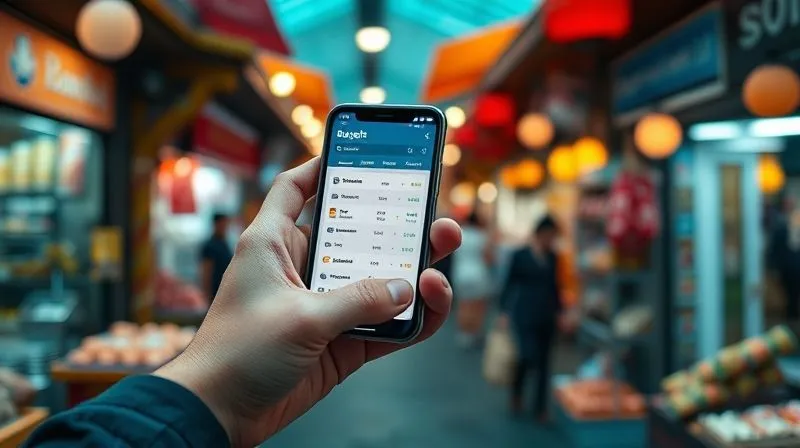
Income Streams on the Go: Professional Backpacking Isn't Just Spending
The 'professional' aspect of your journey means you're likely not just relying solely on savings. Earning money while traveling is a powerful strategy to extend your trip, enhance experiences, and alleviate financial pressure. This isn't about working a fixed 9-to-5, but leveraging your skills in a flexible, location-independent manner.
Consider options like:
- Remote Freelancing: If your profession allows (e.g., writing, graphic design, web development, consulting, virtual assistance), platforms like Upwork, Fiverr, or specific industry job boards can connect you with clients.
- Seasonal Work: In certain regions, short-term seasonal work (e.g., hostel work, teaching English, farm work) can provide income and a cultural immersion experience.
- Consulting: Leverage your professional expertise to offer short-term consulting gigs to businesses, either remotely or in person if opportunities arise.
- Content Creation: If you have a knack for photography, videography, or writing, you might monetize your travel experiences through a blog, social media, or stock photography.
Case Study: Sarah's Remote Design Journey
Sarah, a 28-year-old graphic designer, dreamed of a year in Southeast Asia but worried about depleting her savings. Before leaving, she built a strong portfolio and actively sought remote clients. During her trip, she dedicated 3-4 hours each morning, 4 days a week, to client work from co-working spaces or quiet cafes. By charging reasonable hourly rates, she consistently earned enough to cover her daily expenses, plus a little extra for unique experiences. This meant her pre-trip savings remained largely untouched for emergencies or larger, planned excursions. Sarah didn't just travel; she continued to build her professional portfolio and network, returning with both incredible memories and an enhanced career trajectory, completely debt-free.
Phase 3: Smart Spending & Savvy Saving Strategies Abroad
Once you're on the road, it's about making your money stretch further without sacrificing the quality of your experience. This involves adopting smart habits and making conscious choices.
Accommodation Hacks: Beyond the Tourist Traps
Accommodation is often the largest daily expense. Diversifying your lodging choices can lead to significant savings.
- Hostels (Private Rooms): While dorms are cheapest, private rooms in hostels offer a good balance of cost, social interaction, and privacy.
- Guesthouses/Homestays: Often more affordable and authentic than hotels, especially in Asia and Latin America.
- House Sitting/Pet Sitting: Websites like TrustedHousesitters connect you with homeowners needing care for their homes and pets, often in exchange for free accommodation.
- Volunteering: Programs like Workaway or Worldpackers offer free accommodation and sometimes food in exchange for a few hours of work a day.
- Longer Stays: Negotiate discounts for weekly or monthly stays. Airbnb often has built-in discounts for longer bookings.
Mastering Local Cuisine: Eat Well, Spend Less
Food is another major budget killer if not managed wisely. Eating like a local is not only cheaper but also a more authentic cultural experience.
- Cook Your Own Meals: If your accommodation has a kitchen, utilize local markets to buy fresh ingredients and cook. This is almost always cheaper than eating out for every meal.
- Street Food & Local Eateries: Embrace street food stalls and small local restaurants away from tourist hubs. They offer delicious, inexpensive meals.
- Avoid Tourist Traps: Restaurants with English menus and prominent locations near major attractions are almost always overpriced.
- Water Bottle: Carry a reusable water bottle and filter (e.g., Lifestraw). Saves money and reduces plastic waste.
Transportation Triumphs: Slow Travel, Big Savings
Opting for slower, more local transportation methods can dramatically reduce your travel costs and offer richer experiences.
- Buses & Trains: Often significantly cheaper than flights, especially for shorter distances. Overnight buses can save you a night's accommodation cost.
- Walking & Biking: For exploring cities, your own two feet or a rented bicycle are the cheapest and often most enjoyable options.
- Ride-Sharing/Carpooling: In some regions, local ride-sharing apps or organized carpools can be economical.
- Avoid Taxis: Use public transport or ride-sharing apps (like Uber/Grab) where available, but always compare prices and be aware of surge pricing.
The Financial Fortress: Banking, Cards, and Emergency Funds
Managing your money securely and efficiently while abroad is paramount. This is about minimizing fees and maximizing access.
Invest in a travel-friendly bank account and credit card. Look for cards with no foreign transaction fees, no ATM withdrawal fees (or reimbursed fees), and good exchange rates. Always have a backup card stored separately. Notify your banks of your travel plans to avoid card freezes.
| Bank/Card Feature | Good Option | Bad Option |
|---|---|---|
| Foreign Transaction Fees | 0% | 3-5% |
| ATM Withdrawal Fees | Reimbursed/None | $3-$5 per transaction + local bank fee |
| Exchange Rate | Mid-market rate | Poor tourist rates |
| Fraud Protection | Robust 24/7 | Limited/Slow response |
| Customer Service | 24/7 Global Access | Limited hours/Phone only |
"Your emergency fund isn't just a safety net; it's your freedom fund. It allows you to make calm, rational decisions when the unexpected happens, rather than desperate, debt-inducing ones."
Your emergency fund, ideally 2-3 months of your estimated daily expenses, should be kept in a separate, easily accessible account. This is for true emergencies: unexpected medical issues, lost passport, sudden flight changes, or a period of unexpected unemployment. According to a Fidelity study, those with an emergency fund are significantly less stressed about finances.

Phase 4: Mindset, Discipline, and Staying Debt-Free
Budgeting for a year of professional backpacking isn't just about numbers; it's about cultivating a resilient financial mindset and unwavering discipline. The road will throw curveballs, and your mental fortitude will be as important as your spreadsheet.
Resisting "FOMO Spending": Experiences Over Extravagance
Fear of Missing Out (FOMO) is a potent budget killer. You'll see other travelers doing expensive tours, eating at fancy restaurants, or buying souvenirs you can't afford. It's crucial to remember your financial goals. Your adventure is unique. Focus on experiences that align with your values and budget, rather than trying to keep up with others.
- Prioritize: Decide what experiences are truly important to you and allocate funds accordingly.
- Seek Free Alternatives: Many incredible experiences are free: hiking, exploring local markets, visiting free museums, enjoying sunsets.
- Mindful Spending: Before every purchase, ask yourself: "Is this essential? Does it align with my budget and goals?"
Regular Financial Check-ins: Your Monthly Money Meeting
Just as you have professional check-ins, establish a regular 'money meeting' with yourself. I recommend doing this weekly or bi-weekly. This isn't a chore; it's an empowering habit that keeps you in control.
- Review Actual vs. Budgeted: Compare your actual spending to your budget for each category.
- Adjust as Needed: If you overspent in one area, find ways to cut back in another. Be flexible but firm.
- Forecast: Look ahead to upcoming expenses (flights, visas, major activities) and ensure you have funds allocated.
- Celebrate Wins: Acknowledge when you stick to your budget or find clever ways to save. Positive reinforcement is powerful.
Handling Unexpected Expenses: The True Test of Your Budget
No matter how meticulously you plan, unexpected expenses will arise. A lost bag, a sudden illness, a cancelled flight – these are realities of long-term travel. This is precisely why your emergency fund (discussed earlier) is non-negotiable.
Your ability to navigate these situations without resorting to debt will define the success of your debt-free journey. Remember, flexibility is key. If a big unexpected expense arises, you might need to adjust your travel pace, stay longer in a cheaper location, or even dip into your emergency fund with a plan to replenish it as soon as possible.
Frequently Asked Questions (FAQ)
How much money do I need to save upfront for a year of professional backpacking? While it varies greatly by destination and travel style, a common baseline for a year of budget to mid-range professional backpacking is often cited between $15,000 to $30,000 USD. This includes your emergency fund. However, if you plan to work consistently on the road, your upfront savings can be lower, perhaps 6-8 months of expenses ($8,000 - $15,000) plus your initial flights and gear. The key is knowing your minimum daily spend and multiplying it by your desired debt-free buffer.
What if I run out of money mid-trip? This is why the emergency fund is critical. If you find yourself genuinely running low, first, reassess your daily spending and cut back ruthlessly. Second, explore options for increasing your income on the road – take on more freelance work, look for short-term local jobs, or consider house sitting/volunteering for free accommodation. As a last resort, contact family or friends, but only if you have a clear plan for repayment that doesn't involve long-term debt.
Are travel insurance costs worth it for a year-long trip? Absolutely, yes. I cannot stress this enough. Travel insurance is not an optional luxury; it's a non-negotiable safety net. A single medical emergency, theft, or flight cancellation can wipe out your entire budget and leave you in significant debt. Research comprehensive policies that cover medical emergencies, emergency evacuation, trip interruption/cancellation, and theft. The peace of mind alone is worth the investment.
How do I manage taxes while earning abroad as a professional backpacker? This is complex and depends heavily on your nationality and where you are earning/residing for tax purposes. Generally, if you're working remotely, you'll still be liable for taxes in your home country, possibly under rules for foreign earned income exclusion. However, if you establish tax residency in another country, rules change. I highly recommend consulting with an international tax specialist before you depart to understand your obligations and avoid future penalties. This is an area where professional advice is invaluable.
Can I really maintain a professional career while backpacking for a year? Yes, absolutely. The rise of remote work and the digital nomad lifestyle has made this more feasible than ever. The 'professional' aspect means being disciplined about your work hours, ensuring reliable internet access, and potentially investing in co-working spaces. It also means actively seeking opportunities to enhance your skills or network while abroad. Many professionals return from such an experience with a broader perspective, enhanced adaptability, and a more diverse skill set, making them even more valuable in their chosen field.
Key Takeaways and Final Thoughts
Embarking on a year of professional backpacking without debt is an ambitious, yet entirely achievable goal. It demands meticulous planning, unwavering discipline, and a resilient mindset. But the rewards – unparalleled personal growth, expanded professional horizons, and a lifetime of rich experiences – are immeasurable.
- Prioritize Debt Elimination: Leave with zero consumer debt.
- Calculate True Costs: Account for every expense, visible and hidden.
- Aggressive Pre-Trip Saving: Make saving your primary focus.
- Build an Emergency Fund: Your financial safety net is non-negotiable.
- Embrace Income Streams: Work smart on the road to extend your journey.
- Practice Mindful Spending: Prioritize experiences over extravagance.
- Regular Financial Reviews: Stay accountable and adjust as needed.
Your journey is an investment in yourself. By following this framework, you're not just budgeting; you're building the financial resilience needed to thrive on the road and return home not just with stories, but with an enhanced career and a stronger financial foundation. Go forth, explore, and build your professional adventure, debt-free.
Recommended Reading
- Slash Your Commercial Property Taxes: 7 Steps to Challenge Assessments
- Business Account Compromised? 7 Immediate Steps to Secure Your Finances
- Reduce High-Risk Chargebacks: 7 Proven Strategies for Payment Gateways
- Unlock Tax Savings: How to Categorize Personal Expenses for Maximum Refund!
- Navigating Volatile GDP: 7 Strategies for Resilient Business Forecasts





Comments
Leave a comment below. Your email will not be published. Required fields marked with *