



How to Automate Claims Processing to Reduce Fraud Losses
For over 15 years, I've consulted with insurance companies and financial institutions, and I've consistently seen one critical area where they bleed money: inefficient and vulnerable claims processing. The manual processes, the reliance on human judgment alone – it's a recipe for disaster when it comes to fraud.
The pain is real. Fraudulent claims not only directly impact your bottom line but also drive up premiums for honest customers and erode trust in the industry. The sheer volume of claims makes it nearly impossible for human teams to catch every instance of fraud, leading to significant financial losses and reputational damage.
In this article, I'll share proven strategies and actionable steps on how to automate claims processing to reduce fraud losses effectively. You'll learn how to leverage AI, machine learning, and other technologies to build a robust, fraud-resistant claims system. We'll cover everything from data integration to rule-based systems and advanced analytics, equipping you with the knowledge to protect your organization and improve your overall efficiency.
Understanding the Scope of Claims Fraud
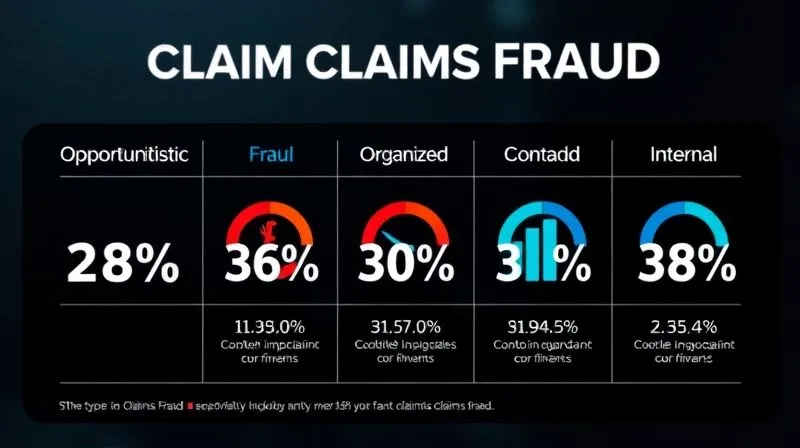
Before diving into automation, it's crucial to understand the types of fraud you're fighting. Claims fraud isn't just one monolithic issue; it encompasses a wide range of activities, from opportunistic exaggeration to sophisticated, organized schemes. According to a report by the National Insurance Crime Bureau (NICB), fraud costs the U.S. insurance industry billions of dollars each year. NICB Report
- Opportunistic Fraud: This is the most common type, where individuals inflate legitimate claims or submit false information.
- Organized Fraud: This involves coordinated efforts by multiple individuals to defraud insurers through staged accidents, fake injuries, or phantom medical treatments.
- Internal Fraud: Unfortunately, fraud can also originate from within your organization, involving employees who collude with outsiders or exploit vulnerabilities in the claims process.
Understanding these different types is the first step in developing targeted fraud prevention strategies. Each type requires a different approach to detection and mitigation.
The Benefits of Automating Claims Processing
Automating claims processing offers a multitude of benefits beyond fraud reduction. It can streamline operations, improve customer satisfaction, and reduce operational costs. However, the most compelling benefit is the ability to detect and prevent fraudulent claims more effectively than manual processes ever could.
- Reduced Fraud Losses: Automation enables real-time fraud detection, preventing payouts on fraudulent claims before they occur.
- Improved Efficiency: Automating repetitive tasks frees up human adjusters to focus on complex claims and investigations.
- Faster Processing Times: Automated systems can process claims much faster than manual processes, leading to improved customer satisfaction.
- Reduced Operational Costs: Automation reduces the need for manual labor, lowering administrative costs and improving profitability.
- Enhanced Data Analysis: Automated systems can collect and analyze vast amounts of data, providing valuable insights into fraud trends and patterns.
Key Technologies for Automating Claims Processing
Several key technologies are essential for building an effective automated claims processing system:
- Optical Character Recognition (OCR): OCR technology extracts data from scanned documents, such as claim forms and medical records, eliminating the need for manual data entry.
- Robotic Process Automation (RPA): RPA automates repetitive tasks, such as data validation and claims routing, freeing up human adjusters to focus on more complex issues.
- Artificial Intelligence (AI) and Machine Learning (ML): AI and ML algorithms can analyze vast amounts of data to identify patterns of fraud, predict the likelihood of fraudulent claims, and automate decision-making.
- Data Analytics: Data analytics tools provide insights into claims data, helping to identify trends, patterns, and anomalies that may indicate fraud.
- Blockchain: Blockchain technology can provide a secure and transparent platform for sharing claims data among insurers, reducing the risk of duplicate claims and fraud.
Implementing a Rule-Based Fraud Detection System
A rule-based fraud detection system uses predefined rules to identify potentially fraudulent claims. These rules are based on known patterns of fraud and can be customized to fit your organization's specific needs. For example, a rule might flag any claim that exceeds a certain dollar amount or involves a specific type of injury.
While rule-based systems are relatively simple to implement, they can be effective in detecting common types of fraud. However, they are also limited in their ability to detect new or evolving fraud schemes. That's where AI and ML come in.
| Rule | Action | Rationale |
|---|---|---|
| Claim Amount > $10,000 | Flag for Review | High-value claims are more likely to be fraudulent |
| Injury Type = 'Soft Tissue' and Claim Amount > $5,000 | Escalate to Investigation | Potential for inflated or fabricated soft tissue injuries |
| Claim Filed Within 30 Days of Policy Inception | Verify Coverage | Potential for pre-existing conditions or fraudulent policy purchase |
Leveraging AI and Machine Learning for Advanced Fraud Detection
AI and ML algorithms can analyze vast amounts of data to identify patterns of fraud that would be impossible for human adjusters to detect. These algorithms can learn from past claims data to predict the likelihood of future fraudulent claims, allowing you to focus your resources on the highest-risk cases. According to a study by Deloitte, AI-powered fraud detection systems can reduce fraud losses by up to 50%. Deloitte AI Study
ML algorithms can be trained to identify a wide range of fraud indicators, including:
- Anomalous Claim Patterns: ML algorithms can identify claims that deviate from the norm, such as claims with unusually high medical expenses or claims filed by individuals with a history of suspicious activity.
- Collusion: ML algorithms can detect patterns of collusion among claimants, providers, and even internal employees.
- Document Forgery: AI-powered image recognition can detect forged documents, such as altered medical records or fake invoices.
Case Study: How Acme Insurance Reduced Fraud
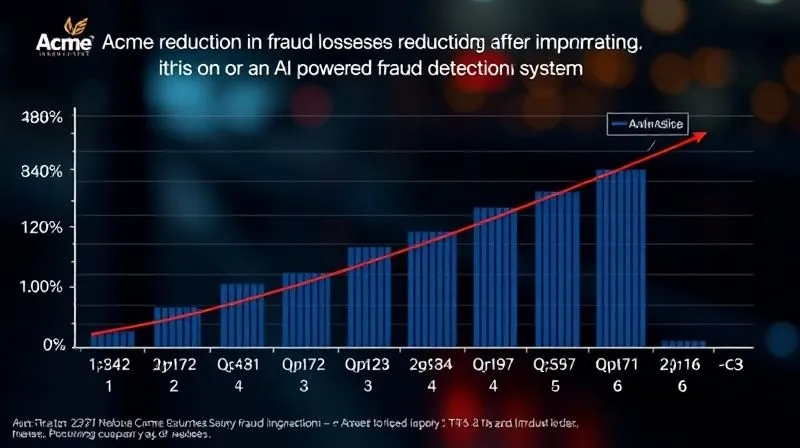
Acme Insurance, a regional insurer, was struggling with rising fraud losses. By implementing an AI-powered fraud detection system, they were able to reduce their fraud losses by 35% in the first year. The system analyzed claims data, identified suspicious patterns, and flagged high-risk claims for further investigation. This resulted in significant cost savings and improved profitability.
Integrating Data from Multiple Sources
Effective fraud detection requires integrating data from multiple sources, including internal claims systems, external databases, and social media. This provides a more complete picture of the claimant and the circumstances surrounding the claim. As Seth Godin often says, "Marketing is no longer about the stuff that you make, but about the stories you tell." The same applies to claims – the more complete the story, the easier it is to detect inconsistencies and potential fraud. Seth Godin's Blog
Data sources that can be integrated into a fraud detection system include:
- Claims History: Past claims data provides valuable insights into a claimant's history and patterns of behavior.
- Medical Records: Medical records can be used to verify the legitimacy of injuries and treatments.
- Police Reports: Police reports can provide information about accidents and other incidents.
- Social Media: Social media profiles can reveal inconsistencies in a claimant's story or uncover evidence of fraudulent activity.
- Public Records: Public records can provide information about a claimant's background, including criminal history and financial status.
Integrating these data sources requires a robust data management infrastructure and sophisticated analytics tools.
Continuous Monitoring and Improvement
Fraud is a constantly evolving threat, so it's crucial to continuously monitor your fraud detection system and make adjustments as needed. This includes regularly updating your rules, retraining your AI models, and incorporating new data sources. I've seen companies fail because they implemented a system and then forgot about it – fraud adapted, and their system became obsolete.
Key steps in continuous monitoring and improvement include:
- Regularly Reviewing Fraud Trends: Stay up-to-date on the latest fraud trends and patterns to identify emerging threats.
- Monitoring System Performance: Track the performance of your fraud detection system to identify areas for improvement.
- Retraining AI Models: Retrain your AI models regularly to ensure they are accurately identifying fraudulent claims.
- Incorporating New Data Sources: Add new data sources to your system to improve its accuracy and completeness.
By continuously monitoring and improving your fraud detection system, you can stay one step ahead of the fraudsters and protect your organization from financial losses.

The Importance of Human Oversight
While automation is essential for reducing fraud losses, it's important to remember that human oversight is still crucial. Automated systems are not perfect, and they can sometimes generate false positives or miss subtle signs of fraud. Human adjusters can review flagged claims, conduct further investigations, and make informed decisions based on their experience and judgment. According to research from Harvard Business Review, the best fraud detection systems combine the power of automation with the expertise of human analysts. Harvard Business Review
Human adjusters should also be involved in the development and maintenance of the fraud detection system. Their expertise can help to identify new fraud indicators, refine the rules, and improve the accuracy of the AI models.
Key Insight:
Automation is a powerful tool, but it should not replace human judgment entirely. The most effective fraud detection systems combine the strengths of both automation and human expertise.
Frequently Asked Questions (FAQ)
What is the biggest challenge in automating claims processing for fraud detection? The biggest challenge is integrating data from disparate sources and ensuring data quality. Inaccurate or incomplete data can lead to false positives and missed fraud opportunities. It's essential to invest in a robust data management infrastructure and implement data validation procedures.
How much does it cost to implement an automated claims processing system? The cost of implementing an automated claims processing system can vary widely depending on the size and complexity of your organization, the technologies you choose to implement, and the level of customization required. However, the long-term cost savings from reduced fraud losses and improved efficiency typically outweigh the initial investment.
What are the legal and ethical considerations of using AI for fraud detection? It's important to ensure that your AI models are fair and unbiased and that they do not discriminate against any particular group. You should also be transparent about how you are using AI and provide claimants with the opportunity to appeal decisions made by the system. Consult with legal counsel to ensure compliance with all applicable laws and regulations.
How can I measure the effectiveness of my automated fraud detection system? You can measure the effectiveness of your automated fraud detection system by tracking key metrics such as the number of fraudulent claims detected, the amount of fraud losses prevented, and the number of false positives generated. You should also regularly review your system's performance and make adjustments as needed.
What skills do my claims adjusters need in an automated environment? Claims adjusters need strong analytical skills, the ability to interpret data, and a deep understanding of fraud schemes. They also need to be comfortable working with technology and able to collaborate effectively with data scientists and IT professionals.
Recommended Reading
- How to Manage Mortgage Debt During Job Loss: Your Urgent Guide to Stability
- Unlock Financial Freedom: How to Manage Debt While Building an Emergency Fund
- 7 Steps to Unmask Greenwashing in ESG Reports: An Expert's Framework
- Unlock Peace of Mind: What Travel Insurance Covers Pre-Existing Mental Health
- Cracking the Code: Why Do Global Financial Crises Recur So Often?
Main Points and Final Considerations
- Automating claims processing is essential for reducing fraud losses.
- Key technologies include OCR, RPA, AI, ML, and data analytics.
- Implement a rule-based system and leverage AI for advanced detection.
- Integrate data from multiple sources for a complete picture.
- Continuously monitor and improve your system.
- Human oversight is crucial for reviewing flagged claims.
Automating claims processing to reduce fraud losses is a complex undertaking, but it's an investment that can pay off handsomely. By following the strategies outlined in this article, you can build a robust, fraud-resistant claims system that protects your organization and improves your bottom line. Embrace the change, stay informed, and remember that continuous improvement is the key to staying ahead of the fraudsters.





Comments
Leave a comment below. Your email will not be published. Required fields marked with *