



How to Afford Necessary Professional Travel on a Personal Budget?
For over fifteen years in the finance and budget travel sphere, I've witnessed a common dilemma that plagues ambitious professionals: the struggle to balance essential career development travel with a tight personal budget. It’s a challenge I’ve tackled myself and advised countless clients on, understanding that professional growth often demands presence – at conferences, client meetings, or training seminars – which can feel financially out of reach.
The pressure to advance your career is real, but so is the anxiety of seeing your personal savings dwindle with every flight ticket or hotel booking. Many believe that professional travel is an unavoidable financial drain, a necessary evil that means sacrificing personal financial goals. This mindset, while understandable, often leads to missed opportunities or significant personal debt.
But what if I told you there’s a strategic, actionable path to navigate this? In this definitive guide, I’ll share my expert frameworks, real-world insights, and actionable steps to not just manage, but truly master how to afford necessary professional travel on a personal budget. We’ll explore everything from pre-trip audits to post-trip reimbursements, ensuring your career ascent doesn't come at the expense of your financial well-being.
Mastering the Pre-Trip Financial Audit: Your First Step to Savings
Before you even think about booking a ticket, the single most critical step is a thorough financial audit of your upcoming trip. In my experience, most people skip this, leading to budget blowouts and unnecessary stress. This isn't just about listing expenses; it's about understanding every financial ripple effect of your travel.
Calculate Your True Costs
Don't just estimate. Research average flight prices, hotel rates, and daily meal costs for your destination. Consider local transportation, conference fees, and even the cost of professional attire if you need new items. Break down every potential expense into categories.
- Research Airfare and Accommodation: Use tools like Google Flights, Skyscanner, and hotel comparison sites to get a realistic range. Look at different days of the week for departure and return.
- Estimate Daily Expenses: Factor in meals, coffee, local transport (taxis, public transit), and any small incidentals. Websites like Numbeo can give you cost-of-living estimates for various cities.
- Account for Conference/Event Fees: These are often substantial. Check if early bird discounts are available or if your professional association offers member rates.
- Buffer for Unexpected Costs: Always add a 10-15% buffer to your total estimate. Flat tires, unexpected client dinners, or last-minute changes happen, and a buffer prevents financial panic.
Identify Reimbursable vs. Personal Expenses
This distinction is paramount for how to afford necessary professional travel on a personal budget. Many professionals mistakenly pay for everything upfront, assuming full reimbursement, only to find certain expenses aren't covered by their employer. Clarify this *before* you spend a dime.
"Clarity on expense policies is your financial superpower. Never assume; always verify what your company will cover and what falls on your personal ledger."
Review your company's travel and expense policy meticulously. Understand limits for meals, accommodation, and ground transportation. Are tips covered? What about internet access? Knowing these boundaries allows you to make informed decisions and avoid out-of-pocket surprises.
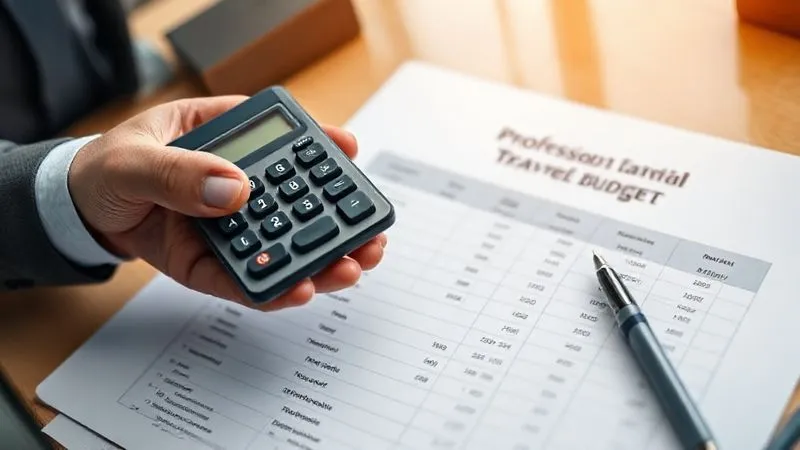
Strategic Booking: Flights, Accommodation, and Transportation Hacks
Once your audit is complete, the next battleground for savings is the booking phase. This is where savvy planning truly pays off, turning what could be a major expense into a manageable one. It’s not just about finding the cheapest option; it’s about finding the smartest value.
Flights: Timing, Flexibility, and Loyalty Programs
Airline tickets are often the biggest line item. To truly master how to afford necessary professional travel on a personal budget, you need to be a booking ninja.
- Book in Advance (But Not Too Far): My rule of thumb is 6-8 weeks out for domestic flights, and 2-5 months for international. Booking too early or too late often results in higher prices.
- Be Flexible with Dates: If your professional schedule allows, flying mid-week (Tuesday-Thursday) or on Saturday often yields lower fares than peak travel days.
- Utilize Incognito Mode/VPN: Some travel sites track your searches and may increase prices. Browse in incognito mode or use a VPN to appear to be searching from a different location.
- Leverage Loyalty Programs: Even if your company doesn't pay for premium cabins, accrue points. Use them for personal travel, or even for upgrades on future business trips if allowed.
Accommodation: Beyond the Hotel Room
Hotels can be notoriously expensive, especially in major cities. Expand your search beyond traditional options.
- Consider Alternative Stays: Airbnb, Vrbo, or extended-stay apartments can offer significant savings, especially for longer trips, and often come with kitchenettes, allowing you to save on meals.
- Negotiate Corporate Rates: If your company frequently sends employees to a particular city, ask if they have negotiated corporate rates with hotels. Even small businesses can often get discounts.
- Stay Slightly Outside the City Center: Public transport can often get you to your professional commitments while allowing you to stay in more affordable areas.
- Utilize Hotel Loyalty Programs: Like airlines, hotel loyalty programs can offer free nights, upgrades, and other perks that reduce your out-of-pocket costs.
Ground Transport: Smart Choices and Shared Rides
Don't let taxi fares eat into your budget. Plan your local movements strategically.
- Public Transportation: Research bus, subway, or tram options. They are almost always cheaper than taxis or ride-shares.
- Ride-Sharing Apps: Services like Uber or Lyft can be convenient. Look for carpool options or schedule rides during off-peak hours to save.
- Walk When Possible: It’s free, healthy, and a great way to explore a new city.
- Car Rentals: Only if absolutely necessary. Compare prices from multiple agencies and check if your personal car insurance or credit card offers coverage.
| Category | Budget Saver Strategy | Potential Savings |
|---|---|---|
| Flights | Book 6-8 weeks out, fly mid-week, use loyalty points. | 15-30% |
| Accommodation | Consider Airbnbs, corporate rates, stay outside city center. | 20-40% |
| Ground Transport | Utilize public transport, ride-share carpool, walk. | 10-25% |
| Meals | Pre-plan, use hotel kitchens, pack snacks. | 25-50% |
Savvy Spending On The Go: Food, Networking, and Incidentals
The daily grind of professional travel often presents numerous small financial decisions that, when added up, can significantly impact your personal budget. This is where discipline and foresight become your best allies in how to afford necessary professional travel on a personal budget.
Meal Planning and Smart Dining
Food is a major budget buster for travelers. Resist the urge to eat out for every meal.
- Breakfast In: Many hotels offer complimentary breakfast. If not, consider booking accommodation with a kitchenette or picking up groceries for simple breakfasts and packed lunches.
- Strategic Lunches: If attending a conference, lunches are often provided. If not, pack a sandwich or find a local grocery store for affordable options. Avoid expensive restaurant lunches.
- Dinner Choices: Opt for local eateries over high-end restaurants, especially if dining alone. Utilize apps like Yelp or TripAdvisor for budget-friendly recommendations.
- Snacks and Drinks: Carry a reusable water bottle and pack your own snacks to avoid overpriced airport or hotel convenience store purchases.
Networking Without Breaking the Bank
Professional travel often involves networking, which can sometimes lead to unexpected expenses. Be strategic about how you connect.
- Coffee Over Cocktails: Suggest a coffee meeting instead of dinner or drinks. It’s more affordable and often more productive.
- Utilize Event Receptions: Many conferences and events host complimentary networking receptions with food and drinks. Maximize these opportunities.
- Set a Networking Budget: If you anticipate needing to host a client or colleague, allocate a specific, modest amount in your pre-trip budget for this.
Minimizing Incidental Costs
These are the small, often overlooked costs that accumulate.
- Wi-Fi: Check if your hotel offers free Wi-Fi. If not, can you use your phone's hotspot? Avoid paying for expensive hotel internet.
- Laundry: For longer trips, consider packing enough clothes or finding a laundromat instead of relying on costly hotel laundry services.
- Souvenirs: If you must buy gifts, set a strict budget and stick to it. Prioritize experiences over material goods.
"Every dollar saved on a coffee or a taxi is a dollar that stays in your personal account, contributing to your long-term financial health."
Leveraging Professional Resources and Company Policies
Many professionals overlook the resources already available to them, either through their employer or professional affiliations. Tapping into these can significantly reduce your personal financial burden when figuring out how to afford necessary professional travel on a personal budget.
Understanding Your Company's Travel Policy
As I mentioned earlier, truly understanding your company's travel and expense policy is non-negotiable. But it goes beyond just knowing what's reimbursable. It's about optimizing within those guidelines.
- Preferred Vendors: Does your company have preferred airlines, hotels, or rental car agencies? These often come with negotiated lower rates. Using them typically simplifies reimbursement and can sometimes even earn you personal loyalty points.
- Per Diems: Some companies offer a per diem for meals and incidentals. Understand if this is a fixed amount or requires itemized receipts. A fixed per diem can simplify budgeting, as any amount you save below the per diem is yours to keep (within ethical boundaries).
- Advance Payments: Can your company pay for flights or conference registrations directly, rather than you footing the bill and waiting for reimbursement? This is a huge cash flow saver.
According to a recent survey by the Global Business Travel Association (GBTA), companies with well-defined travel policies report an average of 15-20% lower travel costs compared to those without clear guidelines. This demonstrates the power of policy – both for the company and for you, the traveler.
Exploring Professional Association Discounts
Are you a member of any professional organizations or industry associations? Often, these groups negotiate discounts for their members on travel, accommodation, and conference fees. Forbes Advisor often highlights how various associations offer benefits.
- Conference Registration: Member rates for conferences can be significantly lower.
- Hotel Chains: Some associations have partnerships with hotel chains for discounted stays.
- Car Rentals: Similar to hotels, car rental agencies often offer association discounts.
Negotiating for Support
Sometimes, the best way to save is to simply ask. If a professional development opportunity is crucial for your role and your company's success, make a case for additional support.
- Justify the Value: Clearly articulate how your attendance will benefit the company (e.g., new skills, client leads, industry insights).
- Propose a Cost-Sharing Model: Offer to cover a portion of the costs if the company covers the rest. This shows initiative and commitment.
- Seek Sponsorships: For major events, some companies or departments might have funds allocated for employee development or speaker sponsorships.
Unlocking Travel Rewards and Credit Card Benefits
This is where my expertise in personal finance and budget travel truly converges. Smart use of travel rewards and credit card benefits isn't just a perk; it's a fundamental strategy for how to afford necessary professional travel on a personal budget without draining your personal funds.
Maximizing Points and Miles
Many professionals are missing out on thousands of dollars in value by not strategically collecting and redeeming points. Whether they're from airlines, hotels, or general travel credit cards, these points are currency.
- Consolidate Loyalty: Focus your business travel with one or two preferred airlines and hotel chains. This accelerates your elite status and points accumulation.
- Understand Redemption Value: Not all points are created equal. Learn which programs offer the best redemption rates for flights, hotel nights, or even cash back to offset travel costs.
- Sign-Up Bonuses: If you're considering a new travel credit card, time your application to coincide with a large professional travel expense that can help you meet the minimum spend for a substantial sign-up bonus.
Strategic Credit Card Use for Business Travel
Your personal credit card can be a powerful tool, provided you use it wisely and always pay off the balance to avoid interest.
- Travel Rewards Cards: Use a credit card that offers accelerated points on travel, dining, or specific categories that align with your business expenses.
- Travel Insurance: Many premium travel credit cards offer built-in travel insurance benefits, including trip cancellation/interruption, lost luggage, and rental car insurance. This can save you from purchasing separate policies.
- No Foreign Transaction Fees: If traveling internationally, ensure your card doesn't charge foreign transaction fees, which typically add 2-3% to every purchase.
Case Study: How Sarah Funded Her Conference Trip
Sarah, a marketing manager, needed to attend a crucial industry conference in San Francisco. Her company covered the conference fee and a portion of her hotel, but flights and remaining accommodation were on her personal budget. Sarah applied for a travel rewards credit card with a 50,000-point sign-up bonus after spending $3,000 in three months. She strategically put her conference fee ($1,200), the reimbursable hotel portion ($800), and her regular personal expenses ($1,000) on the card. After hitting the spend, she had enough points for a round-trip flight to San Francisco, saving her over $400 out-of-pocket. She then used a hotel loyalty program to cover one extra night of accommodation, further reducing her personal expense. This resulted in a total personal savings of nearly $600 for a necessary professional trip.

The Power of Off-Peak and Shoulder Season Travel
Timing is everything, not just in business but in budget travel. When it comes to how to afford necessary professional travel on a personal budget, understanding the nuances of travel seasons can lead to substantial savings.
Timing Your Professional Engagements
If you have any flexibility in when you attend a conference, meet a client, or undertake training, aim for off-peak or shoulder seasons. These are the periods just before or after the peak tourist season.
- Lower Demand, Lower Prices: During off-peak times, airlines, hotels, and even local attractions lower their prices to attract visitors. This can translate to hundreds of dollars in savings on flights and accommodation.
- Fewer Crowds: An added benefit is fewer crowds, which can make your professional experience more pleasant and productive.
- Consider Weekday Travel: As mentioned earlier, flying and staying during the week (especially Tuesday-Thursday) is almost always cheaper than weekend travel. If your professional commitment can be scheduled mid-week, seize that opportunity.
Flexibility as Your Financial Advantage
I often advise clients that flexibility is one of the most underrated assets in budget travel. While professional commitments sometimes dictate exact dates, look for any wiggle room.
- Adjust Arrival/Departure: Can you arrive a day earlier or stay a day later if it significantly drops your flight cost? Sometimes, adding an extra night's stay (at a cheaper rate) can still make the overall trip cheaper than flying on a peak day.
- Alternative Airports: Research smaller, regional airports near your destination. Sometimes, flying into a slightly further airport and taking ground transport can be cheaper than flying directly into the main hub.
"Your ability to adapt your travel dates, even by a single day, can unlock significant savings that directly impact your personal budget."
Post-Trip Financial Wrap-Up: Reimbursements and Tax Implications
The journey to afford necessary professional travel on a personal budget doesn't end when you return home. The post-trip phase is crucial for ensuring you recover any owed funds and leverage potential tax benefits.
Streamlining Your Reimbursement Process
This is where your meticulous record-keeping from the pre-trip audit and on-the-go spending pays off. A smooth reimbursement process ensures your personal funds are replenished quickly.
- Organize Receipts Digitally: As soon as you incur an expense, snap a photo or scan the receipt. Use apps like Expensify or your company's expense software to categorize and upload them immediately.
- Submit Promptly: Don't procrastinate. The faster you submit your expense report, the faster you get reimbursed. Delays can tie up your personal funds unnecessarily.
- Follow Policy to the Letter: Ensure every expense adheres to your company's policy. Missing details or non-compliant expenses can lead to rejection and further delays.
Many organizations, particularly larger corporations, have strict deadlines for expense report submissions. Failing to meet these can sometimes result in forfeiture of reimbursement, a costly mistake for your personal budget.
Understanding Deductible Professional Expenses
While I'm not a tax advisor, it's essential to be aware of potential tax implications. In many countries, certain unreimbursed professional expenses *may* be deductible. This is particularly relevant for freelancers, consultants, or those whose employers do not cover all travel costs.
- Consult a Tax Professional: Always seek advice from a qualified tax accountant for personalized guidance. Tax laws are complex and vary by region.
- Keep Detailed Records: Maintain impeccable records of all travel-related expenses, including receipts, itineraries, and documentation proving the professional nature of the trip.
- Eligible Expenses: Generally, expenses that are ordinary and necessary for your trade or business can be considered. This might include airfare, accommodation, transportation, and a portion of meal costs.
For more detailed information on business travel deductions, you can refer to authoritative sources like the IRS Topic No. 511, Business Travel Expenses (for US-based professionals) or equivalent government tax agencies in your region. Understanding these can potentially offer a small but welcome relief to your personal budget. For guidance on selecting the right tools to streamline this process, consider Business News Daily's review of expense management software.

Building a Dedicated Professional Travel Fund
The most proactive step you can take to afford necessary professional travel on a personal budget is to establish a dedicated travel fund. This moves you from reactive cost-cutting to proactive financial empowerment.
Automating Your Savings
Consistency is key. Set up an automatic transfer from your checking account to a separate savings account specifically for professional travel. Even small, regular contributions add up over time.
- Weekly or Bi-Weekly Transfers: Align these with your paychecks.
- Set a Realistic Goal: Based on your annual professional travel needs, determine how much you need to save per month.
- Treat it as a Bill: Just like rent or utilities, make this transfer non-negotiable.
Setting Realistic Goals
Don't just save blindly. Have a clear purpose for your fund. Are you aiming for one major conference next year? Or several smaller client visits? Knowing your goals helps you calculate the target amount.
"A dedicated travel fund transforms professional travel from a financial burden into a foreseen and manageable investment in your career."
This systematic approach not only provides the necessary funds but also reduces stress and allows you to focus on the professional benefits of your trips, rather than the financial strain.
Frequently Asked Questions (FAQ)
Question: Can I really use personal points/miles for business travel, even if my company reimburses? Absolutely, and many experienced travelers do. Most companies don't dictate how you earn your loyalty points; they only care about the net cost of the trip. If you book a flight with points and the 'cost' to the company is $0 (because you used your own points), that's a win-win. Just ensure your company's policy doesn't explicitly forbid this or require you to pay for a ticket and then get reimbursed for the 'cash value' of points, which is rare. Always clarify before booking.
Question: What if my company has a very strict travel policy with limited flexibility? Even with strict policies, there are still ways to save. Focus on the areas within your control: savvy spending on meals (if a per diem isn't offered), minimizing incidentals, and optimizing your personal loyalty earnings on company-paid travel. You might not be able to choose your airline, but you can still choose to pack snacks or use public transport when appropriate. Advocate for policy changes if you see clear inefficiencies, backing your suggestions with data.
Question: How much should I realistically budget for a typical professional trip? This varies wildly by destination, duration, and the nature of the trip. For a domestic 3-day conference, I've seen personal out-of-pocket costs range from $300 (if flights/most accommodation are covered) to over $1,000 (if only conference fees are covered). For international trips, these figures can easily double or triple. The key is to use the pre-trip financial audit I outlined to get a highly personalized estimate, rather than relying on averages.
Question: Are there specific tax benefits I should be aware of for professional travel? For US taxpayers, unreimbursed employee business expenses are generally no longer deductible after the Tax Cuts and Jobs Act of 2017 for federal income tax purposes. However, some states may still allow these deductions. For self-employed individuals, independent contractors, or freelancers, legitimate business travel expenses are usually deductible against business income. It's crucial to consult a tax professional or the official tax authority website for your specific region, as tax laws are complex and change frequently.
Question: How do I manage unexpected costs or emergencies while on the road without breaking my budget? This is where your 10-15% buffer in your pre-trip budget comes into play. Additionally, ensure you have a credit card with a sufficient limit for emergencies, but only use it if absolutely necessary and pay it off immediately. Many travel credit cards offer emergency assistance or travel insurance benefits that can cover things like lost luggage or medical emergencies, providing a vital safety net. Always keep a small amount of local currency cash for immediate needs.
Key Takeaways and Final Thoughts
Navigating how to afford necessary professional travel on a personal budget doesn't have to be a source of constant financial stress. As an industry veteran, I've seen firsthand that with the right strategies, a proactive mindset, and a commitment to smart financial planning, you can absolutely pursue career-advancing opportunities without sacrificing your personal financial well-being. It's about being intentional, informed, and innovative.
- Audit Before You Depart: Always start with a detailed pre-trip financial audit to understand true costs and company policy.
- Book Smart, Not Just Cheap: Leverage loyalty programs, flexible dates, and alternative accommodations.
- Spend Savvy On The Go: Control daily expenses, especially meals and incidentals.
- Maximize Company & Association Benefits: Don't leave money on the table; understand and utilize all available resources.
- Harness Credit Card & Reward Power: Strategic use of points, miles, and card benefits can significantly reduce out-of-pocket costs.
- Timing Is Everything: Explore off-peak travel and flexibility to find better deals.
- Reimburse & Review: Be diligent with post-trip paperwork and understand potential tax implications.
- Build a Dedicated Fund: Proactive saving is the ultimate buffer against financial surprises.
Your professional growth is an investment, not just an expense. By applying these expert strategies, you're not just saving money; you're investing in your peace of mind and securing a more robust financial future. Embrace these actionable steps, and empower yourself to travel for your career with confidence and a healthy personal budget.
Recommended Reading
- High-Earners: 7 Strategies to Conquer Overwhelming Student Loan Debt
- 5 Critical Steps: What to Do When Your Crypto Exchange Freezes Assets?
- 5 Steps to Adjust Property Valuations for Rapid Rate Hikes
- 7 Pillars: Securing High-Value Institutional Crypto Wallets from Zero-Day Exploits?
- 7 Sustainable Ways: How to Create New Income Streams Without Burning Out?





Comments
Leave a comment below. Your email will not be published. Required fields marked with *