


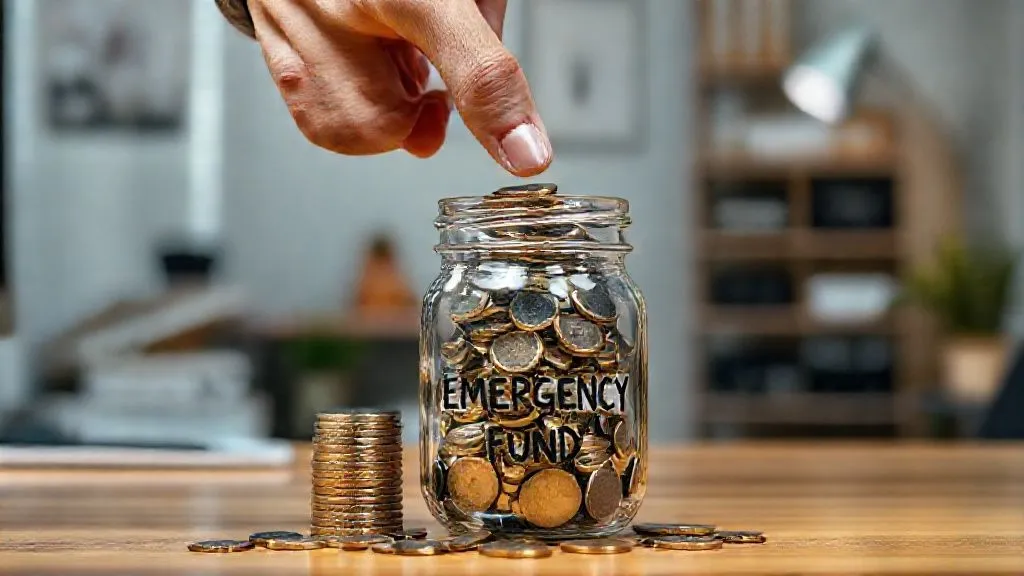
How Professionals Create Emergency Fund from Scratch Quickly?
For over 15 years in the financial planning sector, I've witnessed firsthand the profound impact of financial preparedness—and the devastating consequences of its absence. I’ve advised countless high-earning professionals, from doctors to tech executives, who, despite impressive incomes, found themselves vulnerable when unexpected life events struck. The common thread? A lack of a robust emergency fund, often due to procrastination or a belief that their income alone was sufficient.
The truth is, even the most successful careers can face unforeseen challenges: a sudden job loss, an unexpected medical emergency, or a major home repair. These aren't just inconveniences; they can derail years of financial progress, force tough decisions, and inflict immense stress. The pain point is real: how do you, as a busy professional, build a substantial financial cushion when you feel like you're constantly juggling competing priorities and the idea of 'saving from scratch' seems daunting?
This comprehensive guide isn't just another list of tips; it's a battle-tested framework, forged from my experience helping professionals navigate these exact challenges. We'll dive deep into actionable strategies, real-world case studies, and expert insights that will empower you to not only understand how professionals create emergency fund from scratch quickly but also to implement a system that makes it a sustainable reality, securing your financial future with confidence.
The Non-Negotiable Foundation: Why an Emergency Fund Isn't Optional
Before we even discuss 'how quickly,' we must first internalize 'why.' An emergency fund isn't a luxury; it's the bedrock of your financial stability. Think of it as your personal financial shock absorber, designed to mitigate the impact of life's inevitable curveballs without derailing your long-term goals or forcing you into high-interest debt.
In my practice, I've seen professionals with six-figure incomes brought to their knees by a three-month job search because they lacked this critical buffer. Without it, you're one unexpected expense away from tapping into retirement savings, taking out a predatory loan, or selling investments at a loss. It's about protecting your peace of mind and your future.
"An emergency fund is not just money; it's financial freedom from fear, a testament to proactive planning, and the ultimate safeguard against life's unpredictable nature."
According to a Federal Reserve report, 37% of U.S. adults would not be able to cover an unexpected $400 expense using cash or its equivalent. While professionals might fare better, the principle remains: preparedness is paramount. This fund should ideally cover 3 to 6 months of essential living expenses, though some prefer 9-12 months for greater security, especially those with variable incomes or dependents.
Step 1: The Financial MRI – Assessing Your Current State & Setting a Target
You can't build a fortress without knowing its dimensions. The first step in creating an emergency fund quickly is a brutal, honest assessment of your current financial situation. This involves understanding exactly where your money goes and what your true 'essential' monthly expenses are.
Calculating Your Essential Monthly Expenses
This isn't about your total spending; it's about the bare minimum you need to survive. List out:
- Housing: Rent/Mortgage, property taxes, basic utilities (electricity, water, heat).
- Food: Groceries for home cooking, not dining out.
- Transportation: Car payments, insurance, gas, public transport (to get to essential places).
- Healthcare: Insurance premiums, essential medications.
- Minimum Debt Payments: Credit card minimums, student loan minimums (though ideally, you'd pause these in a true emergency).
Exclude discretionary spending like entertainment, vacations, fancy dinners, and subscriptions you can live without. Be ruthless. Once you have this number, multiply it by 3, 6, or even 12 months to determine your target emergency fund amount. This clarity is your rocket fuel.
| Category | Monthly Essential Cost |
|---|---|
| Housing (Mortgage/Rent) | $2,500 |
| Utilities (Basic) | $300 |
| Groceries | $600 |
| Transportation (Car/Transit) | $450 |
| Healthcare (Premiums/Meds) | $400 |
| Minimum Debt Payments | $350 |
| Total Essential Monthly Expenses | $4,600 |
If your essential monthly expenses are $4,600, a 6-month target would be $27,600. This is the number you're aiming for.

Step 2: Aggressive Income Optimization – Finding Hidden Savings & Boosting Cash Flow
Professionals often overlook the power of their existing income streams and the potential for rapid cash flow generation. This isn't about penny-pinching; it's about strategic redirection and temporary acceleration. Here's how to supercharge your savings:
The "Savings First" Mentality & Automation
- Automate Transfers: Set up an automatic transfer for a significant portion of your paycheck directly into a separate, high-yield savings account (HYSA) the moment you get paid. Out of sight, out of mind. Treat it like a non-negotiable bill.
- Temporary Lifestyle Audit: For a short, defined period (e.g., 3-6 months), drastically cut discretionary spending. Pause subscriptions, cook all meals at home, limit entertainment. This isn't forever, but a sprint to the finish line.
Boosting Your Income: The Professional Edge
- Monetize Your Skills: As a professional, you have valuable skills. Can you consult on the side, take on freelance projects, or offer specialized services for a few hours a week? Even an extra $500-$1000 a month can significantly accelerate your fund.
- Sell Unused Assets: Look around your home. Do you have high-value items gathering dust? Designer clothes, electronics, instruments, or even a second car? Selling these can provide a substantial lump sum.
- Negotiate & Optimize: Review all your recurring bills—insurance, internet, phone. Call providers and negotiate better rates. Refinance high-interest debt if possible, freeing up cash flow.
This intense focus on both reducing outflow and increasing inflow is critical for rapid fund accumulation. It’s a temporary sacrifice for long-term security.
Step 3: Strategic Account Selection – Where to Stash Your Cash
Where you keep your emergency fund is almost as important as having one. This money needs to be liquid, secure, and easily accessible, but also separate from your everyday checking account to avoid accidental spending. You don't want it tied up in volatile investments or illiquid assets.
High-Yield Savings Accounts (HYSAs)
My top recommendation for an emergency fund is a High-Yield Savings Account (HYSA). These online-only banks often offer significantly higher interest rates than traditional brick-and-mortar banks, allowing your money to grow, albeit modestly, while remaining fully liquid. Look for:
- FDIC Insurance: Ensures your deposits are protected up to $250,000 per depositor, per bank.
- No Monthly Fees: Avoid accounts that eat into your savings.
- Easy Transfers: Seamless integration with your primary checking account for quick access if needed.
While money market accounts or short-term CDs can also be options, HYSAs strike the best balance of accessibility and growth for an emergency fund. Avoid investing your emergency fund in stocks or other volatile assets; the primary goal is preservation and immediate availability, not aggressive growth.
"The best place for your emergency fund is a high-yield savings account: out of sight, growing steadily, and instantly accessible when life happens."
Step 4: The Debt Dilemma – Balancing Repayment and Savings
This is a common sticking point for many professionals: should I pay off high-interest debt or build my emergency fund first? The answer isn't always straightforward, but a balanced approach is usually best, especially when building from scratch.
The "Starter Fund" First Approach
I typically advise clients to build a 'starter' emergency fund of $1,000 to $2,000 first. This provides a minimal buffer against small, immediate emergencies (e.g., car repair, minor medical bill) that could otherwise force you to put expenses on a credit card, thus exacerbating your debt problem. Once this starter fund is in place, you can then aggressively tackle high-interest debt (e.g., credit cards with 18%+ APR).
Once the high-interest debt is eliminated, you can then pivot back to rapidly building your full 3-6 month emergency fund. This hybrid strategy minimizes risk while maximizing your financial efficiency. Think of it as putting out the most dangerous fires first, then building your defensive wall.

Case Study: Sarah's Rapid Fund Build with Debt
Sarah, a marketing manager earning $90,000 annually, came to me with $15,000 in credit card debt and no savings. She felt overwhelmed. We agreed on a strategy: first, she focused on saving $1,500 into an HYSA over six weeks by cutting all non-essential spending and taking on a few freelance projects. With that small buffer in place, she then redirected all extra income—including the money she previously spent on discretionary items and her freelance earnings—to aggressively pay down her credit card debt. Within 10 months, her credit cards were zeroed out. With the high-interest burden gone, she then rapidly accumulated her full six-month emergency fund ($25,000) within another eight months, leveraging her optimized budget and newfound financial discipline. This resulted in her feeling secure and confident, knowing she had both zero high-interest debt and a robust safety net.
Step 5: The "Found Money" Funnel – Capitalizing on Windfalls
As a professional, you're likely to encounter 'found money' at various points: bonuses, tax refunds, annual raises, or even unexpected gifts. The key to rapid emergency fund creation is to funnel these windfalls directly into your savings, resisting the urge for immediate gratification.
Actionable Ways to Funnel Windfalls:
- Annual Bonuses/Commissions: Before you even see the money, decide to allocate 50-100% of it to your emergency fund. This is perhaps the fastest way for professionals to build significant reserves.
- Tax Refunds: Instead of treating it as 'free money,' direct your tax refund straight to your HYSA. It's often a substantial sum that can make a huge dent in your target.
- Raises/Promotions: When you get a raise, commit to saving at least half of the net increase. This is known as 'lifestyle inflation prevention' and is incredibly powerful for wealth building. You won't miss money you never got used to spending.
- Side Hustle Income: If you've taken on a side gig (as discussed in Step 2), dedicate all or most of that income to the emergency fund until your goal is met.
This strategy requires discipline, but the acceleration it provides is unparalleled. As financial expert Dave Ramsey often advises, "Live like no one else so later you can live like no one else." This applies perfectly to the temporary sacrifice of windfalls for emergency fund security.
Step 6: Leveraging Psychological Hacks for Consistency
Building an emergency fund from scratch can feel like a marathon, not a sprint. Maintaining momentum and avoiding burnout requires more than just financial discipline; it demands psychological mastery. Here are some techniques I've found effective:
- Visualize Your Goal: Keep a visual tracker (a thermometer, a bar chart) showing your progress towards your emergency fund goal. Seeing the numbers grow provides powerful motivation.
- Gamify Your Savings: Challenge yourself. Can you save an extra $X this week? Can you go a month without eating out? Reward small milestones (non-monetary, or a small treat from your discretionary budget) to keep engagement high.
- The "Why" Power: Regularly remind yourself why you're building this fund. Is it for peace of mind? To protect your family? To avoid debt? This emotional connection provides resilience.
- Account Renaming: Name your HYSA something motivating, like "Freedom Fund" or "Future Security." This reinforces its purpose every time you see it.
Building an emergency fund is as much about behavior as it is about budgeting. By understanding your own psychology, you can design a system that works with you, not against you.
For further reading on behavioral economics and saving, I highly recommend articles from the Harvard Business Review, which often explore the psychological aspects of financial decision-making.
Step 7: Maintaining and Replenishing Your Financial Shield
Once you've successfully built your emergency fund, the job isn't over. It's a living, breathing financial asset that requires ongoing attention. Life happens, and you might need to tap into it. The critical next step is knowing how to maintain its integrity.
When to Use Your Emergency Fund
This fund is for true emergencies, not a new gadget or an unexpected vacation. Examples include:
- Job loss or significant income reduction.
- Major medical emergency (after insurance).
- Unforeseen home repair (burst pipe, furnace breakdown).
- Sudden, essential car repair.
If you dip into the fund, your absolute top financial priority immediately becomes replenishing it to its original target amount. Treat it like a debt you owe to your future self, and pay it back aggressively using the same strategies you employed to build it initially.
| Scenario | Usage | Replenishment Priority |
|---|---|---|
| Job Loss | Cover essential living expenses for X months | Immediate & High |
| Medical Emergency (Uncovered) | Pay co-pays, deductibles, uncovered costs | High |
| Major Home Repair | Fix critical structural/system issues | High |
| Car Breakdown (Essential) | Repair to maintain transportation | Medium-High |
Regularly review your essential expenses (annually, or after major life changes) to ensure your fund target remains appropriate. Your financial shield needs to evolve with your life.

Frequently Asked Questions (FAQ)
Q: Is it ever okay to invest my emergency fund for higher returns? A: No, absolutely not for the core emergency fund. The primary purpose of this money is liquidity and capital preservation, not growth. Investing it in volatile assets like stocks means it could be significantly down precisely when you need it most. Keep it in a high-yield savings account or a money market account.
Q: How quickly can a professional realistically build a 3-6 month emergency fund? A: This depends heavily on your income, expenses, and discipline. With aggressive strategies like income optimization, cutting discretionary spending, and funneling windfalls, many professionals can build a 3-month fund in 6-12 months, and a 6-month fund in 12-24 months. Those with very high incomes and significant bonuses can do it even faster.
Q: Should I prioritize paying off student loans or building an emergency fund? A: As discussed, I advocate for a hybrid approach. Build a small starter fund ($1,000-$2,000) first. Then, prioritize high-interest debt (like credit cards). Once that's cleared, aggressively build your full emergency fund. Student loans often have lower interest rates, so they can be tackled after the emergency fund is robust. You can find more detailed strategies on student loan management from sources like Federal Student Aid.
Q: What if my income is variable? How do I calculate my emergency fund target? A: For variable income professionals (e.g., freelancers, commission-based sales), it's even more crucial to have a larger emergency fund, often 6-12 months. Calculate your essential expenses based on your lowest expected income period, or average your income over the past 12-24 months and base your target on that average. Always err on the side of more conservative estimates.
Q: Can I use a Home Equity Line of Credit (HELOC) as an emergency fund? A: A HELOC can be a last resort option, but it's not a substitute for a cash emergency fund. It carries risks: interest rates can be variable, your home is collateral, and you might not be approved or able to draw on it during a financial crisis (e.g., if property values drop). A cash fund in a separate account is always preferable for immediate, no-risk access.
Key Takeaways and Final Thoughts
Building an emergency fund from scratch, especially quickly, is a testament to your commitment to financial resilience. It’s not just about accumulating money; it's about cultivating discipline, making strategic choices, and ultimately, safeguarding your peace of mind and long-term financial trajectory. Remember the core principles we've covered:
- Clarity is Power: Know your essential expenses and your target.
- Aggressive Action: Optimize income and cut temporary discretionary spending.
- Strategic Stashing: Use high-yield, liquid accounts.
- Balanced Approach: Tackle debt strategically alongside savings.
- Windfall Wisdom: Funnel unexpected money directly into your fund.
- Psychological Edge: Use motivation and tracking to stay consistent.
- Evergreen Protection: Maintain and replenish your fund diligently.
You have the expertise and the earning potential as a professional; now, you have the actionable blueprint. Don't let the fear of the unknown dictate your financial future. Take these steps, implement them with conviction, and watch as your financial cushion grows, providing you with the security and freedom you deserve. Your future self will thank you for taking these decisive actions today. For more insights on financial planning, reputable sources like Investopedia offer valuable definitions and guidance.
Recommended Reading
- 5 Proven Strategies: How Busy Professionals Overcome Investment Paralysis
- Mitigate Corporate Digital Asset Risks: 7 Key Compliance Strategies
- Job Loss & Empty Funds: 7 Steps When Emergency Cash Runs Out
- Cash Flow Crunch? 7 Steps to Boost Your Business Credit Limits
- Unlock Sustainable Growth: How to Fix Common Cash Flow Issues for Startups





Comments
Leave a comment below. Your email will not be published. Required fields marked with *