



How Can Professionals Find Budget Destinations with Genuine Value?
For over 15 years in the niche of finance and budget travel, I've observed a common misconception: that 'budget' necessarily equates to 'cheap' or 'low quality.' Many professionals, accustomed to a certain standard, often dismiss the idea of budget travel, fearing it means sacrificing comfort, safety, or the very enrichment they seek from their journeys. They believe that true value comes with a hefty price tag, limiting their travel aspirations and experiences.
This pain point is real. As a busy professional, your time is precious, and every trip, whether for leisure or professional development, needs to deliver a return on your investment – not just financially, but experientially. The challenge isn't just about finding the cheapest flight or hotel; it's about uncovering destinations and travel styles that offer profound cultural immersion, relaxation, and genuine personal or professional growth, all without draining your bank account. It's about discerning the difference between cutting corners and smart, value-driven choices.
In this definitive guide, I will share the frameworks, insights, and actionable strategies I've honed over years of helping discerning travelers make their budgets go further, all while enhancing the richness of their experiences. You'll learn how to redefine 'value' in travel, identify hidden gem destinations, master savvy booking techniques, and immerse yourself authentically, proving that genuine value and affordability are not mutually exclusive.
Shifting Your Mindset: Value Over Price Tag
The first and most crucial step in finding budget destinations with genuine value is a fundamental shift in perspective. Many professionals instinctively equate higher cost with higher quality or greater prestige. However, in the world of travel, this correlation is often tenuous, especially when considering the experiential aspect. My experience has shown me that the most memorable and enriching journeys are not always the most expensive, but rather those that align best with your personal definition of value.
Beyond the Brochure: Defining Your 'Genuine Value'
What does 'genuine value' truly mean to you? Is it about cultural immersion, culinary exploration, outdoor adventure, historical discovery, or simply a tranquil escape? Before you even consider a destination, take time to clarify your priorities. This introspection is critical because it will guide your choices and prevent you from falling into the trap of pursuing perceived luxury that doesn't actually resonate with your core desires.
- Cultural Immersion: Seeking authentic local experiences, traditions, and interactions.
- Experiential Learning: Travel that offers opportunities for personal growth, skill development, or deeper understanding of a subject.
- Relaxation & Wellness: Prioritizing rejuvenation, peace, and self-care in serene environments.
- Adventure & Exploration: Desiring physical challenges, discovery of natural wonders, or off-the-beaten-path journeys.
- Culinary Discovery: Focusing on local gastronomy, food markets, and unique dining experiences.
Once you've defined your primary value drivers, the search for destinations becomes much more focused. For example, if your genuine value lies in cultural immersion and culinary discovery, a bustling market town in Southeast Asia might offer far more value at a fraction of the cost than a high-end resort town in Western Europe.
"True travel value isn't found in the price tag, but in the richness of the experience relative to its cost. It's about getting more of what truly matters to you, for less."
The Art of Strategic Destination Selection
With your value priorities established, the next step is to strategically select destinations that naturally align with both your budget and your desired experiences. This isn't about throwing a dart at a map; it's about informed decision-making based on economic realities, seasonality, and local offerings.
Leveraging Off-Peak Seasons and Emerging Markets
One of the most effective ways to find budget destinations with genuine value is to look beyond the obvious choices and peak travel periods. Popular destinations often become prohibitively expensive during their high seasons, with inflated prices for flights, accommodation, and activities. By choosing to travel during the shoulder seasons (just before or after peak) or even off-season, you can often secure significant savings while still enjoying pleasant weather and fewer crowds.
Emerging markets and less-traveled regions also present incredible opportunities. These destinations often have a lower cost of living, which directly translates to more affordable travel expenses without compromising on the richness of the experience. Think beyond the usual suspects like Paris, Rome, or New York, and consider places like:
- Southeast Asia: Vietnam, Cambodia, Laos, parts of Indonesia (beyond Bali's tourist hubs).
- Eastern Europe: Albania, Bulgaria, Romania, Poland.
- Central & South America: Colombia, Ecuador, Nicaragua, parts of Mexico.
- The Balkans: Montenegro, Bosnia and Herzegovina.
These regions often boast ancient histories, vibrant cultures, stunning natural landscapes, and delicious cuisine, all at a fraction of the cost of their Western counterparts. As a professional, this means you can extend your trip, enhance your experiences, or simply save money for future adventures.

According to a report by the World Tourism Organization (UNWTO), emerging economies are consistently growing as tourist destinations, offering unique cultural experiences at competitive prices. This trend empowers professionals to explore new frontiers without financial strain. For example, a week in Vietnam can often cost the same as just two or three days in a major Western European city, yet offer a vastly richer tapestry of experiences.
Mastering the Budgeting Blueprint
Even the most budget-friendly destination can become expensive without a solid financial plan. As a finance specialist, I cannot stress enough the importance of a detailed, realistic budget. This isn't about deprivation; it's about allocation and smart spending that prioritizes your genuine value drivers.
The 50/30/20 Rule for Travel Finances (Adapted)
I often advise clients to adapt the classic 50/30/20 budget rule for their travel planning, though the percentages will vary based on your personal priorities. This framework helps you allocate funds strategically:
- 50% on Essentials (Accommodation & Transportation): This is usually the largest chunk. Focus on securing the best value for flights and lodging.
- 30% on Experiences (Food, Activities, Local Transport): This is where your 'genuine value' comes into play. If culinary exploration is key, allocate more here. If relaxation is, perhaps less on intense activities.
- 20% on Flex & Buffer (Shopping, Contingency, & Treats): A buffer is crucial for unexpected costs or spontaneous splurges that enhance your trip.
This flexible framework allows you to prioritize spending where it matters most to you, ensuring you don't overspend on areas that offer less personal value. For example, if you're passionate about local cuisine, you might shift some percentage from 'essentials' to 'experiences' by opting for slightly cheaper accommodation to free up funds for dining.
| Category | Typical Allocation | Budget-Friendly Strategy |
|---|---|---|
| Accommodation | 30% | Hostels, guesthouses, homestays, off-peak deals |
| Flights/Transport | 20% | Flight aggregators, budget airlines, public transport, walking |
| Food & Drink | 15% | Local markets, street food, cooking own meals |
| Activities/Tours | 15% | Free walking tours, self-guided exploration, local events |
| Shopping/Souvenirs | 10% | Handmade crafts, local markets, skip unnecessary items |
| Buffer/Misc. | 10% | Emergency fund, small treats, unexpected costs |
Remember, a budget is a living document. Review it regularly during your planning phase and even during your trip. Be prepared to adjust as new opportunities or challenges arise. The goal is to empower your travel, not to restrict it unduly.
Accommodation Hacks for Savvy Travelers
Accommodation often represents one of the largest expenditures in any travel budget. However, professionals seeking budget destinations with genuine value have a wealth of options beyond traditional hotels that can significantly reduce costs while enhancing the authenticity of their experience.
Beyond Hotels: Exploring Alternatives for Comfort and Cost
The hotel industry, particularly in popular tourist zones, can be notoriously expensive. But the modern travel landscape offers diverse alternatives that provide comfort, unique local insights, and considerable savings:
- Guesthouses and Boutique Hostels: Many hostels now offer private rooms with en-suite bathrooms, providing hotel-level comfort at a fraction of the price, often with communal spaces that foster social interaction. Guesthouses, especially in Asia and Latin America, offer a more personal touch and often include breakfast.
- Homestays and Local B&Bs: Staying with a local family or in a dedicated bed & breakfast offers an unparalleled opportunity for cultural immersion. You gain insights into daily life, enjoy home-cooked meals, and often receive invaluable local tips.
- Vacation Rentals (Airbnb, Vrbo): For longer stays or group travel, renting an apartment or house can be significantly more cost-effective than multiple hotel rooms. Having a kitchen allows for self-catering, further reducing food expenses.
- House Sitting: For the truly adventurous and flexible professional, house sitting can eliminate accommodation costs entirely in exchange for caring for someone's home and pets.
- Work Exchange Programs: Platforms like Worldpackers or Workaway allow you to exchange a few hours of work per day for free accommodation and sometimes meals, ideal for longer, immersive trips.
Case Study: How Sarah, a Marketing Consultant, Saved 40% on Accommodation
Sarah, a marketing consultant from London, wanted to spend three weeks exploring Portugal and Spain, focusing on culinary and historical sites. Initially, her hotel bookings for Lisbon, Porto, Seville, and Granada were estimated at €2,500. After researching, she opted for a mix of guesthouses in Lisbon and Porto, a charming Airbnb in Seville with a kitchen, and a locally-run B&B in Granada. By leveraging off-season rates and these alternative accommodation types, her total accommodation cost dropped to €1,500. This 40% saving allowed her to extend her trip by an additional week, take a cooking class, and enjoy more fine dining experiences, significantly enhancing her genuine value without increasing her overall budget. This demonstrates how a strategic approach to accommodation can free up substantial funds for other valued experiences.
Choosing the right accommodation isn't just about saving money; it's about enhancing your overall travel narrative. A local guesthouse offers a different, often richer, experience than a chain hotel. For further insights into finding affordable stays, I often refer professionals to trusted resources like Lonely Planet's guide on budget accommodation, which provides excellent practical advice.
Culinary Adventures Without Breaking the Bank
Food is an integral part of any travel experience, and it's an area where professionals often overspend unnecessarily. Finding budget destinations with genuine value means embracing local culinary traditions in a cost-effective manner, turning meals into cultural adventures rather than just expenses.
Eating Like a Local: Authentic Experiences on a Budget
My advice is simple: eat where the locals eat. This strategy not only saves money but also guarantees a more authentic and often more delicious culinary experience. Avoid tourist traps with inflated prices and mediocre food. Instead, seek out:
- Street Food Markets: In many parts of the world, street food is a cornerstone of local cuisine – incredibly fresh, flavorful, and remarkably cheap. From tacos in Mexico to pho in Vietnam or curries in Thailand, these markets offer an explosion of taste and culture.
- Local Eateries (Comida por Kilo, Warungs, Trattorias): Look for small, unassuming restaurants away from the main squares. These often serve daily specials or buffet-style meals at fixed, low prices. Ask your guesthouse host or a local for recommendations.
- Supermarkets and Farmer's Markets: If you have access to a kitchen (via an Airbnb or hostel), shopping at local markets and preparing some of your own meals can drastically cut costs. It's also a fantastic way to discover local produce and ingredients.
- Lunch Specials: Many restaurants, even upscale ones, offer significantly cheaper lunch menus compared to their dinner offerings. This is a great way to experience finer dining on a budget.
"The most authentic flavors are often found where the prices are lowest. Embrace street food and local markets for a truly immersive and budget-friendly culinary journey."
Remember to carry a reusable water bottle to refill, avoiding constant purchases of bottled water, which can add up over time. Also, be mindful of hidden costs like service charges or bread baskets that might appear unannounced on your bill in some countries.
Immersive Experiences: Maximizing Cultural Return on Investment
A true professional seeks more than just sightseeing; they seek understanding and immersion. Finding budget destinations with genuine value is intrinsically linked to maximizing your cultural return on investment, engaging deeply with the local fabric without spending a fortune.
Free and Low-Cost Activities That Offer Deep Value
Many of the most enriching experiences in any destination are surprisingly affordable, if not entirely free. It’s about knowing where to look and being open to genuine interaction:
- Walking Tours: Many cities offer free walking tours (tip-based) led by passionate locals. These are excellent for getting an overview, understanding history, and receiving insider tips.
- Public Parks & Gardens: Spend time in local parks. Observe daily life, join a spontaneous game, or simply relax. They are often beautifully maintained and offer a peaceful escape.
- Museums & Galleries: Research free entry days or times for major museums. Many smaller, local museums also have very low entry fees and offer unique insights.
- Local Festivals & Events: Check local calendars for free festivals, concerts, or religious celebrations. These are incredible opportunities to witness vibrant culture firsthand.
- Hiking & Nature Trails: If you enjoy the outdoors, almost all natural parks and trails are free or have minimal entry fees, providing breathtaking scenery and physical activity.
- Volunteering for a Day: Some organizations offer short-term volunteering opportunities, allowing you to contribute to the local community and gain a deeper understanding of their challenges and triumphs.
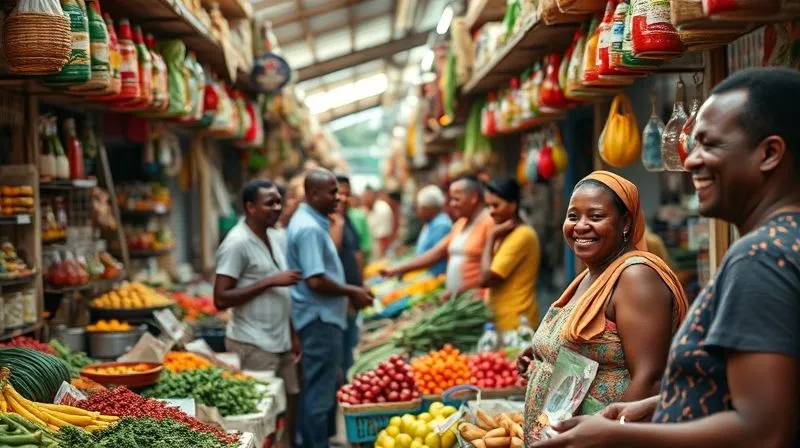
I've personally found that some of my most profound travel memories come from simply sitting in a town square, observing life, or engaging in a conversation with a local shopkeeper. These interactions cost nothing but time and an open mind, yet they deliver immense genuine value. As author and travel expert Rick Steves often advocates, "Keep on travelin', but travel smarter." His philosophy emphasizes understanding and appreciating local cultures, often through budget-conscious means, a perspective I wholeheartedly endorse.
Transportation Triumphs: Navigating Globally for Less
Getting to and around your destination can be another significant cost. However, strategic planning and an openness to local modes of transport can lead to substantial savings, aligning perfectly with the goal of finding budget destinations with genuine value.
Smart Flight & Ground Travel Strategies
For flights, flexibility is your greatest asset. If your professional schedule allows, being flexible with your travel dates, even by a few days, can lead to hundreds of dollars in savings. Here are key strategies:
- Use Flight Aggregators (but don't stop there): Start with sites like Skyscanner, Google Flights, and Kayak to get a broad overview. But always check the airline's direct website afterwards, as sometimes they offer better deals or have exclusive promotions.
- Be Flexible with Airports: Consider flying into or out of smaller, secondary airports near your destination. They often have lower landing fees, which translate to cheaper fares.
- Fly Budget Airlines (with caution): Airlines like Ryanair, EasyJet, AirAsia, or Spirit can be incredibly cheap, but be aware of their baggage fees, seat selection charges, and other add-ons. Pack light to avoid these.
- Book in Advance (but not too far): For international flights, booking 2-3 months in advance often yields the best prices. For domestic, 1-2 months. Booking last-minute or too far in advance can be more expensive.
- Consider Layovers: Direct flights are convenient but often more expensive. A flight with a layover can save you money, and sometimes even offers a chance for a mini-exploration of another city during a long stopover.
Once on the ground, embrace local public transportation. Buses, trains, and subways are not only significantly cheaper than taxis but also offer a glimpse into local daily life. For instance, a week-long public transport pass in many European cities costs less than two taxi rides. For long-distance travel, overnight buses or trains can save you a night's accommodation cost. For detailed analysis on optimal flight booking times, resources like CheapOair's annual flight study often provide data-backed insights.
Leveraging Technology for Unbeatable Deals
In the digital age, technology is your best friend when it comes to finding budget destinations with genuine value. There's an app or a website for almost every aspect of travel planning, designed to help you save money and enhance your experience.
Essential Apps and Platforms for Budget Travel Professionals
I always recommend a suite of digital tools to my clients. These aren't just for booking; they're for discovering, navigating, and managing your trip efficiently:
- Flight & Accommodation Trackers: Apps like Hopper predict future price changes for flights and hotels, advising you when to book. Google Flights allows you to track prices for specific routes.
- Accommodation Aggregators: Beyond the major players, use Booking.com, Agoda (especially for Asia), and Hostelworld to compare options across different types of stays.
- Local Transport Apps: Google Maps is invaluable, but also download local public transport apps (e.g., Citymapper for major cities) for real-time schedules and route planning.
- Currency Converters & Budget Trackers: Apps like XE Currency or TrabeePocket help you manage your spending in local currency and stick to your budget.
- Offline Maps: Download offline maps (e.g., Maps.me or Google Maps offline feature) to navigate without needing data, saving on roaming charges.
- Language Translation Apps: Google Translate or DeepL can bridge language barriers, making local interactions smoother and more enriching.
- Food Discovery Apps: Apps like TripAdvisor or local equivalents (e.g., Zomato in India, Yelp in the US) can help you find highly-rated, local, and affordable eateries.
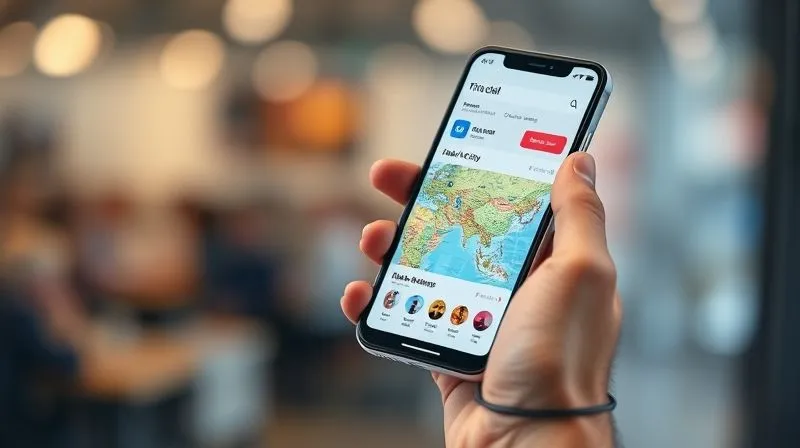
The key is to use these tools intelligently. Don't just book the first deal you see. Compare, track, and be patient. Setting price alerts can notify you when flights or hotels drop to your desired price point, allowing you to snag a deal without constant monitoring. Leveraging technology this way is how professionals truly find budget destinations with genuine value, making informed decisions that optimize both cost and experience.
The Role of Travel Insurance and Emergency Planning
While the focus is on budget, cutting corners on safety and preparedness is a false economy. As a finance professional, I can tell you that an unforeseen medical emergency or trip cancellation can quickly turn a budget trip into a financial disaster. Genuine value also encompasses peace of mind.
Protecting Your Investment and Peace of Mind
Travel insurance is not an optional extra; it's a fundamental part of responsible travel planning, especially for professionals who may have less flexibility to deal with unforeseen circumstances. Comprehensive travel insurance typically covers:
- Medical Emergencies: Hospitalization, doctor visits, emergency evacuation.
- Trip Interruption/Cancellation: Reimbursement for non-refundable expenses if your trip is cut short or cancelled due to covered reasons.
- Lost/Delayed Baggage: Compensation for essential items if your luggage is delayed or lost.
- Travel Delays: Coverage for additional accommodation or meal costs due to significant delays.
When selecting a policy, compare different providers and read the fine print. Ensure it covers your planned activities (e.g., adventure sports) and any pre-existing medical conditions. While it adds an upfront cost, the potential savings from avoiding a major financial hit far outweigh the premium. For a deeper dive into choosing the right coverage, resources like Forbes Advisor's guide to the best travel insurance are excellent starting points.
Beyond insurance, have a basic emergency plan: share your itinerary with a trusted contact, keep copies of important documents (passport, visas, insurance policy) both physically and digitally (e.g., on a cloud drive), and know the location of your country's embassy or consulate. These simple steps ensure that even when you're seeking budget destinations with genuine value, you're doing so responsibly and securely.
Frequently Asked Questions (FAQ)
Q: Is 'budget travel' always about sacrificing comfort for cost? Absolutely not. As an experienced specialist, I define budget travel for professionals as optimizing value. It means making smart choices – perhaps a charming guesthouse instead of a luxury hotel, or street food instead of a Michelin-starred restaurant – that deliver equal or greater experiential value without the premium price. It's about smart allocation, not deprivation.
Q: How do I convince my company to support budget-friendly professional development trips? Frame it in terms of ROI. Highlight how a budget-friendly destination allows for longer, more immersive experiences, or enables more team members to attend. Emphasize the unique cultural insights gained that can foster creativity and global understanding, directly benefiting professional development, all while demonstrating fiscal responsibility. Present a detailed budget showing the cost-effectiveness compared to traditional options.
Q: What are common pitfalls professionals face when seeking budget value, and how can they avoid them? One major pitfall is equating 'cheap' with 'value,' which can lead to unsafe accommodations or missed experiences. Another is over-planning every detail, leaving no room for spontaneity. Avoid these by doing thorough research, reading reviews from diverse sources, prioritizing safety, and building flexibility into your itinerary. Also, be wary of hidden fees, especially with budget airlines.
Q: How important is solo travel in finding genuine value on a budget? Solo travel often offers unparalleled opportunities for deep immersion and flexibility, which can be crucial for budget value. You're free to follow local tips, adjust plans on the fly, and engage more directly with your surroundings. While not for everyone, it can be a highly effective way to maximize your budget and personal growth.
Q: Can I still network effectively on a budget trip? Absolutely. Networking isn't exclusive to high-end conferences. Seek out local co-working spaces, attend free industry meetups or workshops, join local professional groups on social media, or even engage in conversations with fellow travelers in hostels or guesthouses. These informal settings can lead to incredibly valuable connections. The authenticity of a budget trip often creates more relatable networking opportunities.
Key Takeaways and Final Thoughts
As we've explored, the notion that budget travel means compromising on quality or experience is a myth. For professionals, finding budget destinations with genuine value is not just possible; it's a strategic approach to travel that enriches your life, broadens your perspective, and respects your financial resources. It requires a shift in mindset, diligent planning, and an openness to embracing local, authentic experiences over pre-packaged luxury.
- Redefine Value: Prioritize experiences that resonate with your personal or professional growth, not just price or perceived prestige.
- Strategic Selection: Leverage off-peak seasons and emerging markets for significant savings and unique cultural exposure.
- Budget with Intent: Use a flexible budgeting framework to allocate funds where they matter most to your desired experiences.
- Embrace Alternatives: Look beyond traditional hotels for accommodation and local eateries for culinary adventures.
- Maximize Immersion: Seek out free or low-cost activities that offer deep cultural engagement and authentic interaction.
- Leverage Technology: Use apps and websites to track deals, compare prices, and navigate efficiently.
- Prioritize Safety: Invest in comprehensive travel insurance and have an emergency plan; true value includes peace of mind.
My hope is that this guide empowers you to embark on your next adventure with confidence, knowing that you can indeed find budget destinations with genuine value. Travel is an investment in yourself, and by applying these expert strategies, you can ensure that investment yields remarkable returns, both financially and experientially. Go forth, explore wisely, and discover the world's hidden gems!
Recommended Reading
- Boost Your Score: How to Improve My FICO Score Quickly and Effectively
- 7 Strategies: Safeguarding Estates from Incapacity While Preserving Wealth
- Unlock the Secret: How to Legally Erase Collections from Your Credit Report
- Quantify Your Impact: Measuring Values-Based Investments' Real Effect
- How to Effectively Dispute a FOS Final Decision Against a Firm? 3 Pathways





Comments
Leave a comment below. Your email will not be published. Required fields marked with *