


How banks prevent digital wallet account takeovers urgently?
For over two decades in the banking sector, specializing in digital innovation and security, I've witnessed firsthand the relentless evolution of financial crime. From rudimentary phishing scams to sophisticated, multi-vector attacks, the threat landscape is a dynamic, ever-challenging environment. The rise of digital wallets, while offering unparalleled convenience, has simultaneously opened new avenues for bad actors, making account takeovers (ATOs) a critical concern that demands immediate, robust action.
The problem of digital wallet account takeovers isn't just a technical glitch; it's a profound breach of trust that can devastate individuals and erode confidence in the financial system. For consumers, it means losing hard-earned money, suffering identity theft, and enduring the stress of recovery. For banks, it translates into significant financial losses, reputational damage, increased regulatory scrutiny, and a potential exodus of customers. The urgency of this issue cannot be overstated, as attackers are constantly innovating, often exploiting vulnerabilities faster than defenses can be deployed.
In this definitive guide, I will pull back the curtain on the comprehensive, multi-layered strategies banks are urgently implementing to prevent digital wallet account takeovers. We'll explore the cutting-edge technologies, proactive measures, and strategic partnerships that form the bedrock of modern digital banking security. You'll gain expert insights into frameworks, real-world applications, and actionable steps, understanding not just *what* banks are doing, but *how* they are doing it to safeguard your digital financial life.
The Evolving Threat Landscape: Why ATOs are a Top Priority
Digital wallets have become indispensable tools, but their convenience comes with inherent risks. Attackers are constantly refining their tactics, employing methods ranging from simple social engineering to highly sophisticated cyberattacks. I've seen countless instances where seemingly innocuous phishing emails or compromised credentials led directly to devastating account takeovers, often within minutes of a breach.
Common attack vectors include credential stuffing, where stolen usernames and passwords from other breaches are used to gain unauthorized access; phishing and smishing (SMS phishing), tricking users into revealing their login details; malware that intercepts data on compromised devices; and SIM swapping, where attackers gain control of a victim's phone number to bypass SMS-based MFA. These attacks are not theoretical; they are daily occurrences that banks must urgently counter.
The speed and sophistication of digital wallet account takeovers mean that reactive measures are often too late. Banks must operate with a proactive, 'assume breach' mentality, building defenses that anticipate and neutralize threats before they materialize into full-blown compromises.
For banks, the stakes are incredibly high. Beyond the direct financial losses from fraudulent transactions, there's the long-term damage to customer trust and brand reputation. Regulatory bodies are also increasingly stringent, imposing hefty fines for security lapses. Therefore, preventing digital wallet account takeovers urgently is not just a best practice; it's a business imperative.

Fortifying the Gates: Multi-Factor Authentication (MFA) & Biometrics
One of the most immediate and impactful ways banks prevent digital wallet account takeovers urgently is through the robust implementation of Multi-Factor Authentication (MFA) and advanced biometric verification. Relying solely on a password, no matter how strong, is akin to locking your front door but leaving the windows open. MFA adds crucial layers of security.
Beyond Passwords: The Power of MFA
MFA requires users to provide two or more verification factors from different categories before granting access. These categories typically include:
- Something you know: Passwords, PINs, security questions.
- Something you have: A physical token, a smartphone (for SMS codes or authenticator apps), a hardware key.
- Something you are: Biometric data like fingerprints or facial scans.
For digital wallets, banks commonly employ a combination of these. For instance, after entering a password, a user might receive a one-time passcode (OTP) via SMS, or be prompted to approve the login through a secure banking app notification. This significantly raises the bar for attackers, as they would need to compromise multiple, distinct authentication methods simultaneously.
Biometric Authentication: The Ultimate Personal Key
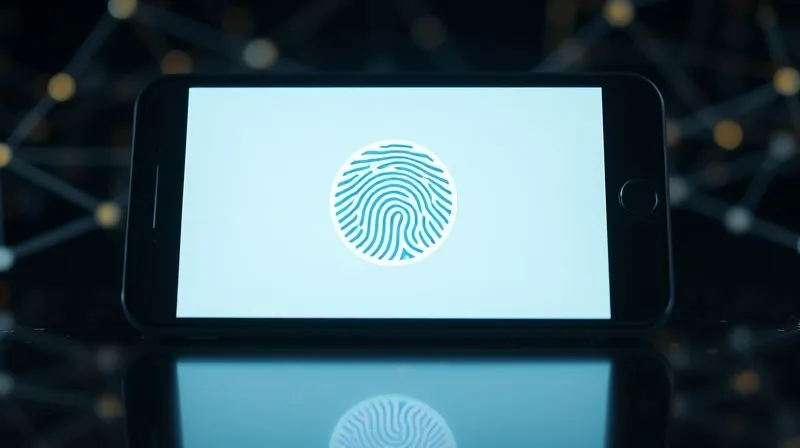
Biometrics represent the 'something you are' factor and are increasingly becoming the gold standard for digital wallet security. Fingerprint scanning, facial recognition, and even voice authentication offer a highly secure and convenient way to verify identity. I've seen banks invest heavily in these technologies, not just for login, but for transaction authorization as well.
The key to effective biometric security lies in liveness detection. Advanced systems can differentiate between a live user and a static image or a deepfake, preventing attackers from using stolen biometric data. While no system is entirely foolproof, biometrics, especially when combined with other MFA factors, make it extraordinarily difficult for unauthorized users to gain access. They are a cornerstone of how banks prevent digital wallet account takeovers urgently by tying access to the individual, not just their credentials.
Real-time Fraud Detection: AI, Machine Learning, and Behavioral Analytics
Even with strong authentication, some sophisticated attacks can bypass initial defenses. This is where real-time fraud detection, powered by Artificial Intelligence (AI) and Machine Learning (ML), becomes absolutely critical. It's the equivalent of having an always-vigilant security team monitoring every transaction, learning and adapting to new threats instantly.
In my experience, this is where the truly urgent prevention happens. Banks leverage vast datasets of historical transactions, user behavior, and known fraud patterns to train sophisticated ML models. These models can analyze hundreds of data points for every single transaction or login attempt – location, device type, transaction size, frequency, merchant, time of day – to identify anomalies that might indicate an ATO in progress.
Behavioral Biometrics in Action
A fascinating aspect of this technology is behavioral biometrics. Beyond physical biometrics, banks are increasingly analyzing how users interact with their devices and apps. This includes typing speed and rhythm, swipe patterns, the pressure applied to the screen, and even the way a user holds their phone. If a login attempt shows a significant deviation from a user's typical behavior, even if the password and MFA are correct, it can trigger an alert or an additional verification step.
Transaction Monitoring and Anomaly Detection
Real-time transaction monitoring is paramount. If a digital wallet, typically used for small, local purchases, suddenly attempts a large international transfer, or if multiple transactions occur rapidly from different geographical locations, the system flags it immediately. According to a recent report by Accenture on the future of fraud prevention, AI and machine learning are now considered indispensable for detecting and preventing financial crime at scale, drastically improving detection rates compared to traditional rule-based systems.
| Feature | Traditional Methods | AI/ML Methods |
|---|---|---|
| Detection Speed | Hours to Days | Real-time (milliseconds) |
| False Positives | High | Significantly Lower |
| Adaptability to New Threats | Manual Updates, Slow | Learns Continuously, Rapid |
| Data Volume Handled | Limited | Massive (Big Data) |
Secure Onboarding and KYC (Know Your Customer) Enhancements
The first line of defense against ATOs isn't when a transaction occurs, but when an account is opened. Robust Know Your Customer (KYC) procedures during the onboarding process are crucial. If an attacker can open an account using a synthetic identity or stolen credentials, they've already won half the battle. This is why banks are making significant investments in secure, digital onboarding solutions.
Digital Identity Verification (IDV) Tools
Modern banks utilize sophisticated Digital Identity Verification (IDV) tools. These go far beyond simply checking a name and address. They involve:
- Document Verification: Using AI to scan and authenticate government-issued IDs (passports, driver's licenses), checking for signs of tampering or forgery.
- Selfie Matching: Requiring a live selfie from the applicant, which is then compared against the photo on their ID using biometric facial recognition.
- Database Cross-Referencing: Verifying applicant information against multiple trusted data sources, credit bureaus, and watchlists.
- Liveness Detection: Ensuring the person providing the selfie is a live individual and not a photo or video.
These combined measures create a strong barrier to entry for fraudsters, making it much harder for them to establish fraudulent accounts that could later be used for ATOs or other illicit activities.
Continuous KYC and AML Compliance
KYC isn't a one-time event. Banks engage in continuous monitoring, which falls under Anti-Money Laundering (AML) compliance. This means regularly reviewing customer activity and updating information to detect suspicious patterns that might indicate an account has been compromised or is being used for illicit purposes. If a seemingly legitimate account suddenly exhibits behavior characteristic of money laundering or fraud, the system flags it for review. This proactive and continuous approach is vital for how banks prevent digital wallet account takeovers urgently.
Prevention is always more effective and less costly than remediation. A robust, multi-layered KYC process at the outset dramatically reduces the attack surface for future account takeovers.
Tokenization and Encryption: Protecting Data at Rest and In Transit
Even if an attacker manages to breach a system, banks employ strategies to ensure that the data they steal is useless. This is achieved through advanced encryption and tokenization, which protect sensitive financial information both when it's stored and when it's being transmitted.
The Power of Tokenization
For digital wallets, tokenization is a game-changer. Instead of storing actual credit card numbers or bank account details, banks and payment processors replace them with unique, randomly generated strings of characters called 'tokens.' These tokens are meaningless outside of the specific transaction or digital wallet ecosystem they were created for.
If a hacker manages to steal a database of tokens, they won't find any usable card numbers. The actual card details are stored securely in a separate, highly protected vault, completely isolated from the tokenized data. This significantly reduces the risk of a mass data breach leading to widespread financial fraud. This protection is a core component of how banks prevent digital wallet account takeovers urgently, making stolen data worthless.
End-to-End Encryption for Communications
Beyond tokenization, all communications between your digital wallet, your bank, and the merchant are protected by strong end-to-end encryption. This means that data is scrambled at the source and can only be decrypted by the intended recipient. Even if an attacker intercepts the data mid-transmission, they will only get an unreadable jumble of characters. Technologies like TLS (Transport Layer Security) ensure that your financial information remains confidential and integral during every digital interaction.
Proactive Threat Intelligence and Incident Response
No defense is impenetrable 100% of the time. The reality is that banks must also be prepared for when an attack does occur, or when new threats emerge. This requires a strong focus on proactive threat intelligence and having a rapid, well-rehearsed incident response plan.
Cyber Threat Intelligence Sharing
Banks don't fight this battle alone. They actively participate in threat intelligence sharing networks, both within the financial industry and with government agencies. Organizations like the Financial Services Information Sharing and Analysis Center (FS-ISAC) facilitate the rapid exchange of information about new attack vectors, malware strains, and emerging fraud schemes. This collective intelligence allows banks to update their defenses swiftly and implement countermeasures before a new threat becomes widespread. It's a critical, often unseen, aspect of how banks prevent digital wallet account takeovers urgently on a systemic level.
Rapid Incident Response Frameworks
When an ATO is detected or suspected, time is of the essence. Banks have sophisticated incident response frameworks designed to contain, eradicate, and recover from security incidents quickly. These typically involve:
- Detection and Alerting: Automated systems and human analysts constantly monitor for suspicious activity, triggering alerts the moment an anomaly is detected.
- Containment: Immediately isolating the compromised account or system to prevent further damage. This might involve locking the digital wallet, blocking transactions, or revoking access.
- Investigation: A forensic analysis to understand the scope of the breach, how it occurred, and what data might have been compromised.
- Eradication: Removing the threat, patching vulnerabilities, and ensuring the attacker's access is permanently severed.
- Recovery: Restoring affected accounts, assisting customers with identity theft protection, and enhancing security measures based on lessons learned.
- Post-Incident Review: Analyzing the incident to identify weaknesses and improve future prevention and response.
Case Study: Zenith Bank's Rapid ATO Containment
Zenith Bank recently faced a sophisticated credential stuffing attack targeting a subset of its digital wallet users. Their real-time fraud detection system, powered by AI, immediately flagged an unusual spike in login attempts from previously unseen IP addresses, coupled with behavioral biometric anomalies. Within seconds, the system automatically initiated a temporary lock on the affected accounts and triggered an urgent alert to the security operations center. The incident response team quickly confirmed the attack, notified the affected users via a secure channel, and guided them through password resets and enhanced MFA setup. This rapid, automated detection and human-led response prevented any financial loss to customers and limited the impact of the attempted account takeovers to a handful of temporarily inconvenienced users.
Empowering Users: Education and Self-Protection Tools
While banks employ robust security measures, the human element remains a significant factor in digital wallet security. A well-informed user is an additional layer of defense. Banks understand this and actively invest in educating their customers on best practices for self-protection.
I've always stressed that technology alone isn't enough; users must be partners in security. Banks regularly provide resources on how to:
- Create Strong, Unique Passwords: Emphasizing the use of complex, alphanumeric passwords and password managers.
- Enable MFA: Guiding users through setting up and using MFA for their digital wallets and other online accounts.
- Recognize Phishing and Smishing Scams: Educating users on the tell-tale signs of fraudulent communications and the importance of never clicking suspicious links or sharing credentials.
- Keep Software Updated: Explaining why keeping operating systems, apps, and antivirus software updated on mobile devices is crucial for closing known security vulnerabilities.
- Monitor Account Activity: Encouraging users to regularly review their transaction history and report any unauthorized activity immediately.
- Secure Wi-Fi Usage: Advising against accessing digital wallets over unsecured public Wi-Fi networks.
By empowering users with knowledge and tools, banks significantly reduce the likelihood of social engineering attacks that often precede an ATO. For more general guidelines on protecting your digital identity, resources like the Federal Trade Commission (FTC) offer valuable advice.
Regulatory Compliance and Industry Standards
The financial industry is one of the most heavily regulated sectors, and for good reason. Regulatory compliance plays a critical role in mandating the security measures that banks must implement. These regulations and industry standards provide a baseline for security, ensuring that banks meet certain requirements to protect customer data and funds.
Key frameworks and standards that influence how banks prevent digital wallet account takeovers urgently include:
- PCI DSS (Payment Card Industry Data Security Standard): While primarily for card data, its principles apply broadly to any entity handling payment information, ensuring secure processing, storage, and transmission.
- GDPR (General Data Protection Regulation) and CCPA (California Consumer Privacy Act): These data privacy regulations mandate stringent controls over personal data, including financial information, pushing banks to implement robust security measures to prevent breaches.
- Local Banking Regulations: Each country's central bank or financial authority imposes specific requirements for digital security, fraud prevention, and incident reporting.
- NIST Cybersecurity Framework: While voluntary, many financial institutions adopt frameworks like the NIST Cybersecurity Framework to guide their risk management and security posture, focusing on identifying, protecting, detecting, responding, and recovering from cyber threats.
Adherence to these standards isn't just about avoiding penalties; it's about building a foundation of trust and resilience. Regulatory compliance ensures that banks are consistently evaluating and upgrading their security infrastructure, fostering an environment where preventing digital wallet account takeovers urgently is not just a goal, but a mandated operational standard.
Frequently Asked Questions (FAQ)
What's the difference between digital wallet fraud and an account takeover (ATO)? Digital wallet fraud is a broad term encompassing any unauthorized activity, including purchases made with stolen card details. An Account Takeover (ATO) is a specific type of fraud where a malicious actor gains unauthorized access to a legitimate user's existing digital wallet account and then uses it for fraudulent transactions, often by changing credentials or siphoning funds. ATO implies full control of the account, not just using stolen card numbers.
Can banks recover funds if my digital wallet is compromised via an ATO? In most cases, yes, banks have robust fraud protection policies. If you report an ATO promptly, the bank will typically investigate and, if fraud is confirmed, reimburse the unauthorized transactions. However, the speed of reporting is crucial. Some digital wallet providers might have different policies, so it's essential to understand your bank's specific terms and conditions for fraud liability.
How often do digital wallet ATOs occur? The frequency of ATOs is constantly fluctuating due to evolving attack methods and defense mechanisms. While specific numbers are often proprietary, industry reports indicate that ATO attempts are a significant and growing threat. Organizations like the Identity Theft Resource Center (ITRC) track such incidents, highlighting that digital platforms are increasingly targeted. Banks' urgent prevention strategies aim to drastically reduce the success rate of these attempts.
What role does my mobile device security play in preventing ATOs? A critical one. Your mobile device is the gateway to your digital wallet. If your phone is compromised by malware, or if you don't use a strong lock screen, an attacker could gain direct access to your digital wallet apps. Keeping your device's operating system updated, using strong passcodes, enabling biometric locks, and being cautious about the apps you download are essential personal safeguards against digital wallet ATOs.
Are new technologies like quantum computing a threat or solution to digital wallet security? Currently, quantum computing is more of a theoretical long-term threat to current encryption standards, as quantum computers could potentially break some existing cryptographic algorithms. However, research into 'post-quantum cryptography' is actively underway to develop new encryption methods resistant to quantum attacks. In the near term, quantum computing is not an immediate threat to digital wallet security, and its potential applications could also offer new, more robust security solutions in the future.
Key Takeaways and Final Thoughts
The digital wallet ecosystem, while incredibly convenient, presents a persistent battleground against increasingly sophisticated cyber threats. The question of how banks prevent digital wallet account takeovers urgently is not simple; it demands a multi-faceted, dynamic, and collaborative approach.
- Multi-Factor Authentication (MFA) and Biometrics: These are foundational, adding critical layers of identity verification.
- AI and Machine Learning: Real-time fraud detection systems are the vigilant guardians, learning and adapting to identify anomalies instantly.
- Robust KYC and Onboarding: Stopping fraudsters at the entry point is paramount for long-term security.
- Tokenization and Encryption: Making stolen data worthless through advanced data protection techniques.
- Threat Intelligence & Incident Response: Proactive sharing and rapid reaction are essential for containment and recovery.
- User Education: Empowering customers to be the first line of defense against social engineering.
- Regulatory Compliance: Mandating and upholding high security standards across the industry.
As an industry specialist, I can confidently say that banks are not just reacting to threats; they are proactively building fortresses around your digital financial life. Their commitment to innovation, collaboration, and continuous improvement in security is unwavering. While the digital landscape will always present new challenges, the concerted efforts by financial institutions, coupled with informed user vigilance, mean that your digital wallet remains a secure and reliable tool for your everyday transactions. Stay informed, stay vigilant, and trust in the robust systems working tirelessly behind the scenes to protect you.
Recommended Reading
- Streamline & Save: 5 Steps to Refinance Multiple High-Interest Business Loans Simultaneously
- Insuring Historic Commercial Buildings: Modern Risks & Expert Solutions
- 5 Proven Strategies: Bridge Your Early Retirement Income Gap From Corporate
- 5 Strategic Ways to Shield Your International Portfolio from Currency Swings
- 7 Steps: Adapt Client Portfolios to Sudden New Tax Legislation




Comments
Leave a comment below. Your email will not be published. Required fields marked with *